


Cultural Etiquette 101: Do’s and Don’ts Around Europe
Maxwell Adams | February 12, 2026 | Myths, Worries & Reality Checks
Worried about accidentally offending someone during your year abroad? Don’t be. A little awareness goes a long way.
Moving to a new country is exciting, but it can also feel intimidating. Different customs, habits, and social rules can make you wonder if you’ll get things “wrong.”
Here’s the good news: no one expects you to be perfect. People understand you’re new, and most are incredibly forgiving if you show curiosity and respect.
This guide isn’t about memorising rules. It’s about helping you feel more confident as you settle into life abroad, with simple do’s and don’ts that apply across much of Europe.
Why Cultural Etiquette Matters
Cultural etiquette is really just about being thoughtful. Small things like how you greet someone, behave in public, or approach meals can shape first impressions and help you feel more connected to your new environment.
You don’t need to know everything on day one. Paying attention, asking questions, and being open-minded will take you further than any checklist ever could.

Greetings and First Impressions
First meetings can look different depending on where you are, but a few general tips apply almost everywhere:
- A friendly hello and a smile go a long way.
- Handshakes are common in many countries, especially in professional settings.
- In some places, friends greet with cheek kisses. If you’re unsure, let the other person lead.
- Eye contact is usually seen as polite and confident.
- In more formal cultures, using titles (like Professor or Mr/Ms) is appreciated until invited to be more casual.
If you’re ever unsure, watch what locals do and follow their lead.
Dining Etiquette
Food is a huge part of European culture, and sharing meals is often a social experience rather than something to rush.
A few helpful pointers:
- Keep your hands visible at the table (resting wrists on the edge is common in many countries).
- Meals, especially dinner, can be slower and more relaxed than in the UK. Try to enjoy the pace.
- Tipping varies by country. In some places it’s expected, in others it’s minimal or already included. A quick Google check before you go out helps.
- If you’re invited to someone’s home, bringing something small like chocolates or flowers is a nice gesture.
Try local dishes, even if they’re unfamiliar. It shows openness and curiosity.
Time and Punctuality
Attitudes to time can vary across Europe, but there’s one safe rule: be on time for anything academic or work-related.
Socially, some countries are more relaxed, while others expect punctuality even for casual plans. If you’re running late, a quick message is always appreciated.


Public Behaviour and Personal Space
Public spaces often come with unspoken rules, so awareness is key.
- Keep your voice down on public transport.
- Queueing matters in many countries, even if it looks informal.
- Personal space expectations vary, so pay attention to how close people stand.
- Dress modestly in churches or religious buildings, even if it’s hot outside.
These small adjustments help you blend in and show respect for local norms.
Language and Effort Go a Long Way
You don’t need to be fluent, but learning a few basics makes a big difference.
Simple phrases like hello, please, thank you, and sorry can instantly change how people respond to you. Even if your pronunciation isn’t perfect, locals usually appreciate the effort.
And remember, lots of Europeans speak excellent English. Still, showing that you’re trying to learn their language is a great way to build connections.
Common Don’ts to Keep in Mind
Here are a few gentle reminders that can help you avoid awkward moments:
- Don’t assume every European country is culturally the same. Each has its own traditions and habits.
- Don’t constantly compare everything to home, especially in a negative way.
- Don’t treat your host country like a long holiday resort. You’re living there, not just visiting.
- Don’t panic if you make a mistake. Everyone does, and it’s part of learning.
What matters most is how you respond. A quick apology and a smile usually solve everything.

Final Thoughts: Curiosity Beats Perfection
You will make small mistakes during your year abroad. That’s normal. Every international student does.
What really matters is being open, respectful, and willing to learn. Ask questions, observe how people around you behave, and give yourself time to adjust.
Your year abroad isn’t about getting everything right. It’s about growing, exploring, and connecting with people from different backgrounds. Approach it with curiosity, and you’ll be amazed how welcoming the world can feel. 🌍✨
Check out our destination guides for more in depth detail about the cultural norms in a specific destination.
CATEGORIES
MORE FROM THE BLOG
-
How to Prepare for a Year Abroad Without Feeling Overwhelmed
May 18, 2026 | Preparing for Your Year Abroad
-
How a Year Abroad Boosts Your Career (and How to Leverage It)
March 27, 2026 | Myths, Worries & Reality Checks
-
From Culture Shock to Confidence: Overcoming Year Abroad Challenges
March 3, 2026 | Myths, Worries & Reality Checks
-
Step-by-Step Guide to Applications and Visas for a Year Abroad in Europe
January 28, 2026 | Admin & Applications
-
Budgeting 101 for Your Year Abroad – Scholarships, Grants and Saving Tips
January 28, 2026 | Myths, Worries & Reality Checks
DISCOVER BY YEAR
Related posts
Explore more stories from the blog
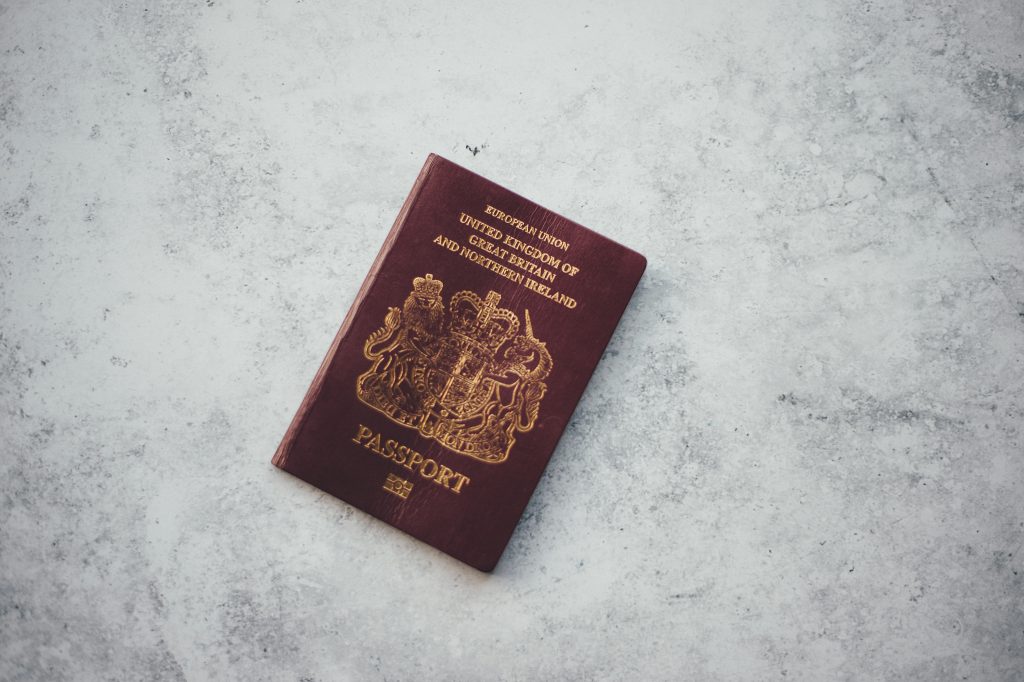
Step-by-Step Guide to Applications and Visas for a Year Abroad in Europe
Feeling overwhelmed by the admin side of going abroad? Don’t worry — once you know what to expect, it’s much easier than it seems.

Budgeting 101 for Your Year Abroad – Scholarships, Grants and Saving Tips
Worried about how to afford your year abroad? Don’t stress. With a little planning and the right support, it’s completely doable.

How to Prepare for a Year Abroad Without Feeling Overwhelmed
Preparing for a year abroad is exciting, but it can also feel like a lot. Relax, you've got this!

Do I Need to Speak the Language? – Year Abroad in Europe for English Speakers
Worried about going abroad without knowing another language? Don’t panic – you’re definitely not alone.

From Culture Shock to Confidence: Overcoming Year Abroad Challenges
Feeling nervous about your year abroad? You’re not alone, and those nerves are completely normal.

How a Year Abroad Boosts Your Career (and How to Leverage It)
Feeling overwhelmed by the idea of choosing your year abroad destination? Take a deep breath - this is the exciting part!

How to Choose the Perfect Year Abroad Destination
Feeling overwhelmed by the idea of choosing your year abroad destination? Take a deep breath - this is the exciting part!