


Ottawa (Canada)
Destination Overview
Ottawa offers a unique blend of political, academic, and cultural life. Located between Ontario and Québec, the city is officially bilingual (English–French) and known for its safety, green spaces, and high quality of life. Home to major universities and a large international student community, Ottawa balances calm, community living with easy access to museums, festivals, and outdoor adventure
— making it an appealing choice for students and young professionals.
Quick Facts, Ottawa

Climate
Ottawa has four distinct seasons, with cold, snowy winters and warm summers. Spring and autumn are mild, while winter brings iconic canal skating.

Cost of Living
Living costs are moderate for a Canadian capital, with shared rooms typically costing CAD $800–$1,200 per month and weekly groceries averaging CAD $60–$90.

Lifestyle
Green, calm, and student-friendly, blending government-city energy with outdoor living, cafés, and neighbourhood life.

Vibe
International, bilingual, and community-oriented. Ottawa attracts students drawn to public policy, tech, and a high quality of life.

Safety
One of Canada’s safest major cities, with low violent crime and strong public services.

Transport
Reliable public transport, excellent cycling routes, and easy regional connections to Montréal and Toronto.
Areas & Neighbourhoods
1/2. Downtown / Centretown
▲Central and convenient, close to Parliament Hill, Rideau Centre, and nightlife on Elgin Street. Busy and pricier, but extremely well connected.
3. Sandy Hill
▼4. The Glebe
▼5. Old Ottawa South
▼6. ByWard Market
▼7/8. Hintonburg / Wellington West
▼9. Westboro
▼10. Vanier
▼Transport
Within Ottawa

O-Train (Light Rail)

Buses (OC Transpo)

Rideshare

Cycling

Walking
Domestic & International

Bus

Airport

Train
Culture & Lifestyle

Cost of Living: Shared flats typically cost CAD $800–$1,200 per month, studios CAD $1,300–$1,800. Meals out range from CAD $12–$18, coffee CAD $3–$5, beer CAD $6–$8, and groceries usually total CAD $60–$90 per week.
Climate: Cold winters with snow and ice, warm summers, and colourful spring and autumn seasons.
Culture: A mix of Canadian heritage, bilingual culture, and modern arts, with major museums, galleries, and Parliament Hill shaping daily life.
Social & Nightlife: ByWard Market and Elgin Street are nightlife hubs with bars, pubs, and live music, balanced by a strong café and festival culture.
Lifestyle: Clean, green, and student-focused, with skating on the Rideau Canal in winter and cycling, hiking, and festivals in summer.
Inclusivity & Safety
LGBTQ+ Community
Very inclusive, with Pride celebrations, community organisations, and LGBTQ+ friendly cafés, bars, and social spaces across Ottawa. Universities also offer active LGBTQ+ student groups and wellbeing support.






Top Attractions & Local Experiences
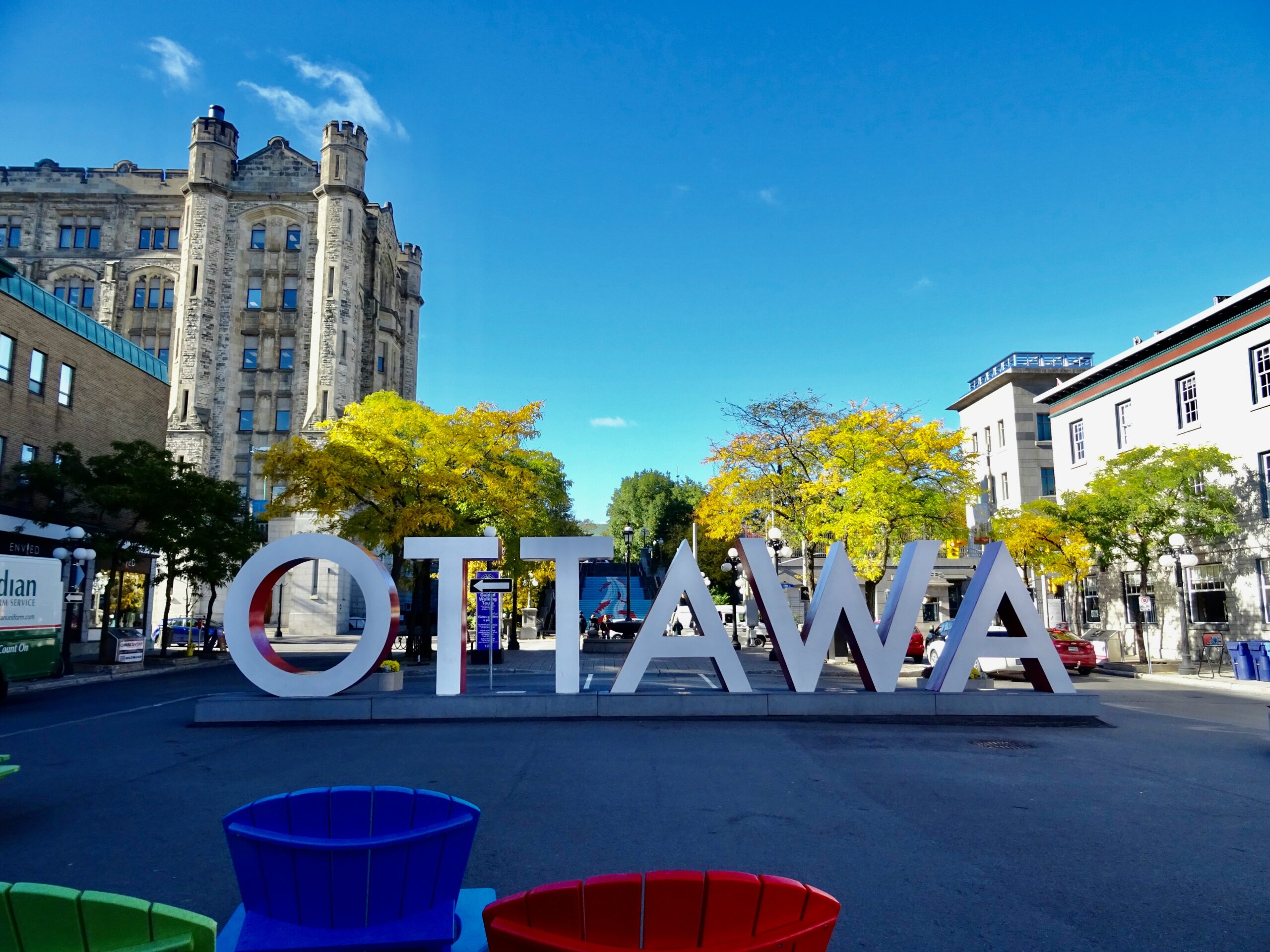
Must-Sees
- Parliament Hill – Iconic government buildings and Changing of the Guard.
- Rideau Canal – UNESCO-listed waterway for skating in winter and kayaking in summer.
- ByWard Market – Historic food and shopping district.
- National Gallery of Canada – Major collections of Canadian and international art.
- Canadian Museum of History – Culture and heritage just across the river.
- Major’s Hill Park – Central green space with skyline views.
Local Gems
- Lansdowne Park & The Glebe – Cafés, markets, and community events.
- Gatineau Park – Hiking and skiing only 20 minutes away.
- Bluesfest & Winterlude – Signature summer and winter festivals.
- Westboro Beach – Riverside relaxation and cycling trails.


Pre-departure Essentials
Documents & Visas: Most international students require a Canadian Study Permit. Applications are completed online with proof of acceptance, funds, and biometrics.
Health Insurance: Mandatory for students, usually through UHIP (University Health Insurance Plan) or OHIP, depending on your institution.
Banking: Major banks include RBC, TD, Scotiabank, and CIBC. Many students also use Wise or Revolut for international transfers.
SIM Cards: Fido, Koodo, Freedom, Rogers, and Bell offer prepaid or monthly plans, typically costing CAD $30–$60.
Post-arrival Essentials
Registration: Complete university orientation and collect your student ID and U-Pass.
Banking & SIM: Open a Canadian bank account and activate your local SIM for rent and bills.
Health & Safety: Register with UHIP/OHIP for full coverage. Emergency number is 911; 311 handles city services.
Shopping: Popular supermarkets include Loblaws, Metro, and Walmart, with second-hand options on Facebook Marketplace or Value Village.
Apps: Useful apps include OC Transpo or Transit (transport), Uber or Lyft (rides), SkipTheDishes or DoorDash (food delivery), Too Good To Go (discount meals), and Eventbrite or Meetup (local events).