


Philadelphia (USA)
Destination Overview
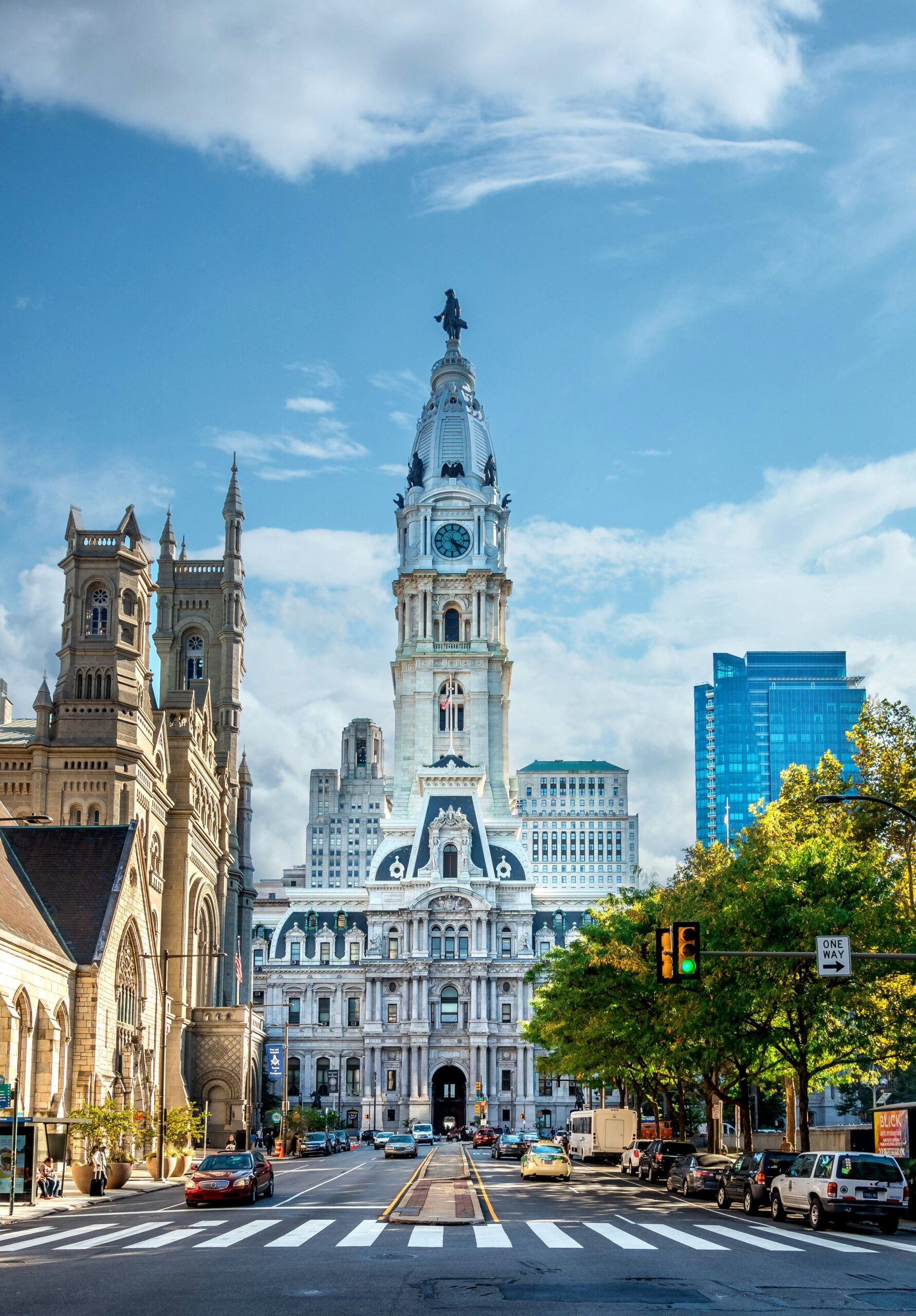
Philadelphia blends deep American history with diverse neighbourhoods and a thriving student culture. Home to major universities and a large international student population, the city offers a more affordable alternative to New York or Washington, D.C. Its compact layout, strong arts and food scenes, and passionate sports culture make Philadelphia an ideal place to study while enjoying everyday urban life.
Quick Facts, Philadelphia

Climate
Philadelphia has four distinct seasons, with hot summers and chilly winters. Spring and autumn are mild and ideal for exploring the city.

Cost of Living
Living costs are lower than many East Coast cities, with shared rooms typically costing $900–$1,300 per month and weekly groceries averaging $50–$90.

Lifestyle
Walkable and community-focused, blending historic streets with modern cafés, parks, and student neighbourhoods.

Vibe
Creative, friendly, and student-driven. Philly offers big-city culture with a more relaxed, affordable feel.

Safety
Central and student-heavy areas are generally safe, though standard precautions are advised at night.

Transport
Reliable public transport, strong walkability, and excellent rail connections to major U.S. cities.
Areas & Neighbourhoods
1. Center City
▲The heart of Philadelphia, stretching from river to river and packed with shops, restaurants, and cultural institutions. Extremely convenient, though more expensive.
2. University City
▼3. Old City
▼4. Fishtown
▼5. Northern Liberties
▼6. South Philadelphia
▼7. Manayunk
▼8. Rittenhouse Square
▼9. Graduate Hospital
▼Transport
Within Philadelphia

SEPTA Subway & Trolleys

Buses

Regional Rail

Cycling

Walking
Domestic & International

Bus

Airport

Train
Culture & Lifestyle
Cost of Living: Shared flats typically cost $900–$1,300 per month, studios $1,400–$2,000. Meals out range from $10–$18, coffee $4–$6, beer $6–$8, and groceries usually total $50–$90 per week.
Climate: Hot summers, cold winters, and colourful spring and autumn seasons.
Culture: Strong arts, theatre, and food scenes, with famous murals, live music venues, and student discounts at many museums.
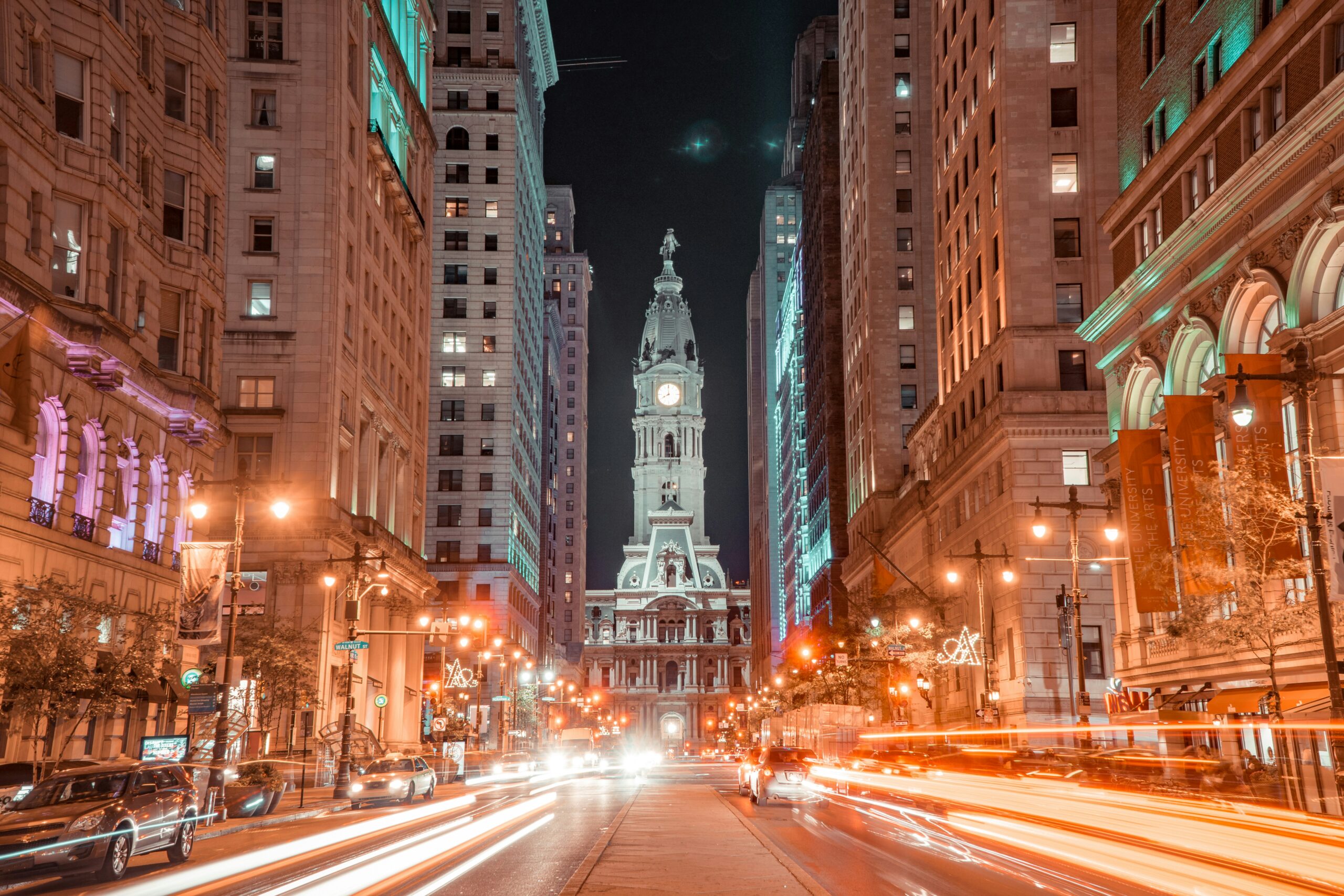
Social & Nightlife: University City, Fishtown, and Center City host rooftop bars, student pubs, and live music spots.
Lifestyle: Green and community-oriented, with large parks like Fairmount Park and riverside paths for jogging, cycling, and picnics.
Inclusivity & Safety
LGBTQ+ Community
Highly inclusive, with a strong community centred around the Gayborhood near 13th Street and annual Pride celebrations.




Top Attractions & Local Experiences
Must-Sees
- Independence Hall & Liberty Bell – Landmarks of U.S. history.
- Philadelphia Museum of Art & Rocky Steps – Iconic museum and city views.
- Reading Terminal Market – Famous indoor food hall.
- Rittenhouse Square Park – Central green space surrounded by cafés.
- Penn’s Landing – Waterfront walks along the Delaware River.
- Eastern State Penitentiary – Historic former prison turned museum.
Local Gems
- Spruce Street Harbor Park – Summer hangout with hammocks and food stalls.
- Magic Gardens – Mosaic art space in South Street.
- Italian Market – Classic South Philly food scene.
- Schuylkill River Trail – Cycling and running route by the river.
- Live sports games – Experience Philly’s passionate local teams.
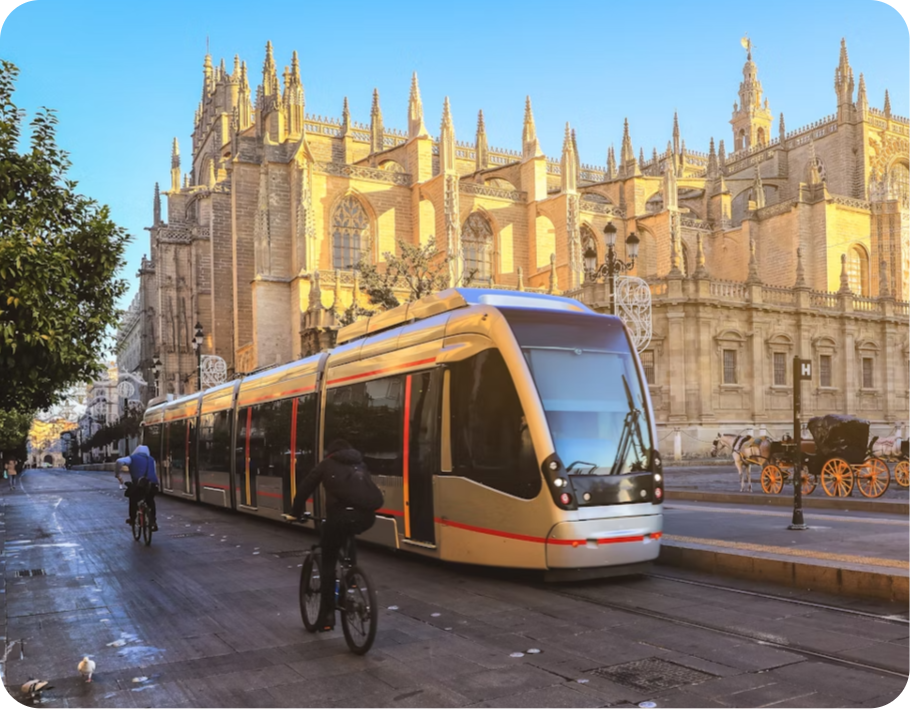
- River life – Evening strolls or bike rides along the Guadalquivir.
- Festivals – Semana Santa and Feria de Abril for unforgettable local culture.

Pre-departure Essentials
Documents & Visas: Most international students require an F-1 or J-1 visa. Bring your I-20 or DS-2019, SEVIS receipt, admission letter, and proof of finances.
Health Insurance: Mandatory for all students. U.S. healthcare is private, so university or approved private insurance is essential.
Banking: Popular banks include Wells Fargo, PNC, and Chase. Many students use Wise or Revolut before opening a local account.
SIM Cards: T-Mobile, AT&T, and Verizon offer prepaid or monthly plans, typically costing $30–$50.
Post-arrival Essentials
Registration: Attend university orientation and complete SEVIS activation shortly after arrival.
Banking & SIM: Open a U.S. bank account and activate your mobile plan for everyday payments.
Health & Safety: Identify your campus clinic and nearest urgent care. Emergency number is 911.
Shopping: Popular supermarkets include Trader Joe’s, Giant, and Aldi, with Target and Walmart for household essentials.
Apps: Useful apps include SEPTA or Citymapper (transport), Indego (bike share), Uber or Lyft (rides), OpenTable or Yelp (food), Too Good To Go (discount meals), and Eventbrite or Meetup (local events).