


Chicago (USA)
Destination Overview
Chicago sits on the shores of Lake Michigan and blends iconic architecture, legendary music scenes, professional sports, and a welcoming Midwestern vibe. With 77 neighbourhoods, beaches and parks stretching along the lakefront, and one of the strongest food scenes in the U.S., Chicago offers a true big-city experience with a surprisingly community-focused feel. Winters are cold and windy, but summers are packed with festivals and outdoor life, making it a rewarding destination for students seeking culture, affordability, and opportunity.
Quick Facts, Chicago

Climate
Chicago has four distinct seasons, with cold, windy winters and warm, festival-filled summers. Spring and autumn are short but beautiful.

Cost of Living
Living costs are moderate for a major U.S. city, with shared rooms typically costing $800–$1,200 per month and weekly groceries averaging $50–$90.

Lifestyle
Active and social, with lakefront paths, neighbourhood festivals, and a strong café and food culture shaping daily life.

Vibe
Friendly, creative, and community-driven. Chicago blends big-city energy with a relaxed Midwestern feel.

Safety
Student neighbourhoods are generally safe, though awareness is important at night and in unfamiliar areas.

Transport
Strong public transport network, excellent walkability in central areas, and easy domestic and international connections.
Areas & Neighbourhoods
1. The Loop (Downtown)
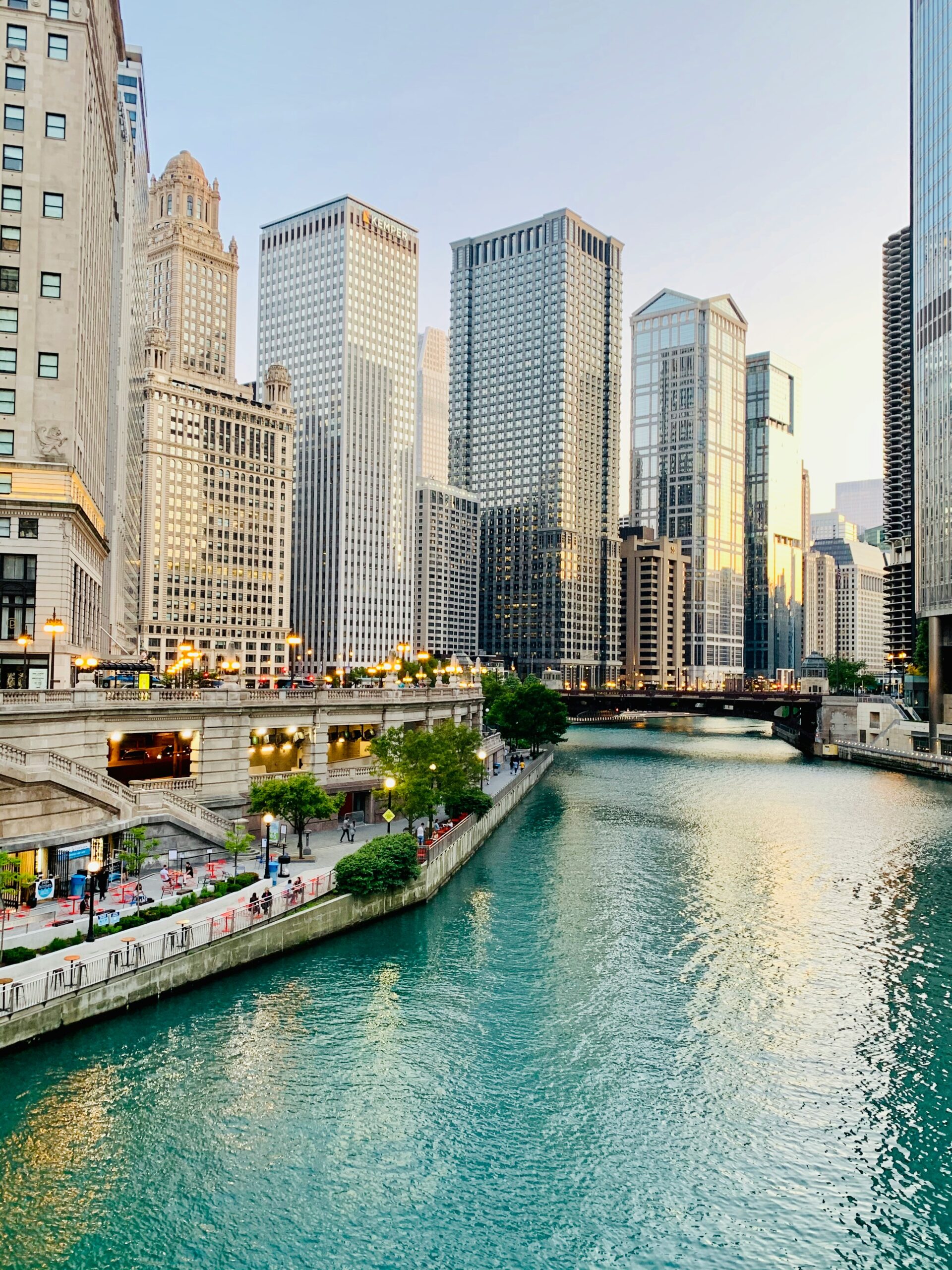
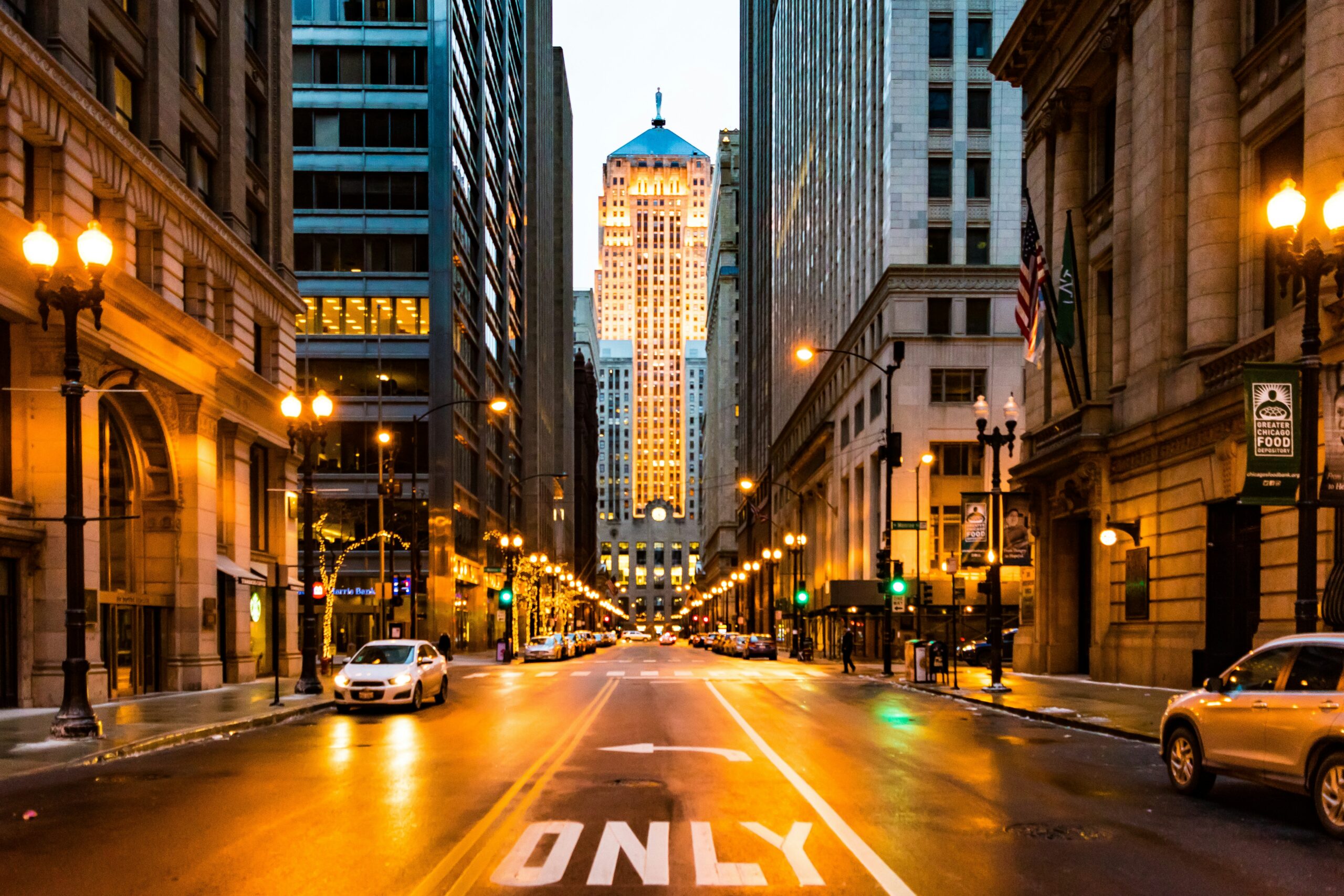
▲Skyscrapers, theatres, Millennium Park, and the Riverwalk. Ultra-central and convenient, though busy and expensive. Best for short stays.
2/3. Streeterville & River North
▼4. Lincoln Park
▼5. Lakeview (Wrigleyville & Northalsted)
▼6/7. Wicker Park & Bucktown
▼8. Logan Square
▼9. Hyde Park
▼10. Pilsen
▼Transport
Within Chicago

CTA “L” Trains

Buses

Metra

Cycling
Domestic & International

Bus

Airport

Train
Culture & Lifestyle
Cost of Living: Shared flats typically cost $800–$1,200 per month, studios $1,500–$2,000+. Meals out range from $12–$20, coffee $4–$6, beer $6–$9, and groceries usually total $50–$90 per week.
Climate: Cold, snowy winters with strong winds, warm and humid summers, and short but pleasant spring and autumn seasons.
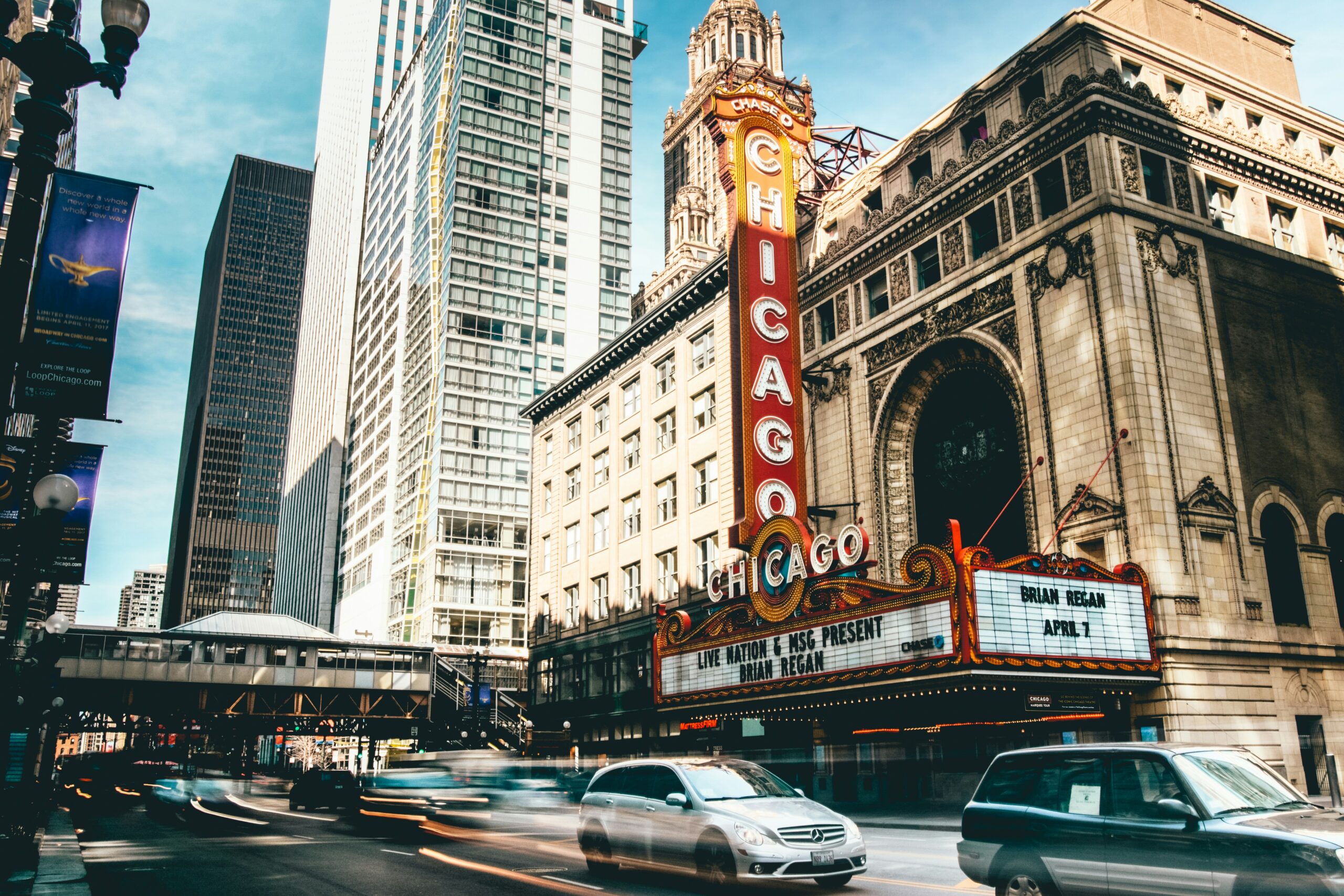
Culture: World-class architecture, museums, comedy, live blues and jazz, and a huge sports culture define the city’s identity.
Social & Nightlife: River North hosts clubs, Wicker Park and Logan Square focus on indie music and bars, while Lincoln Park and Lakeview are student pub favourites.
Lifestyle: Lakefront running and cycling, free beaches in summer, and dozens of street festivals create an active, outdoorsy rhythm of life.
Inclusivity & Safety
LGBTQ+ Community
Very welcoming, with Northalsted (Boystown) recognised as one of the largest LGBTQ+ areas in the U.S. Pride celebrations are major annual events.





Top Attractions & Local Experiences

Must-Sees
- Millennium Park & Cloud Gate (“The Bean”) – Iconic public art and skyline views.
- Art Institute of Chicago – One of the top art museums in the world.
- Architecture River Cruise – Best way to experience Chicago’s famous buildings.
- Navy Pier & Lakefront Trail – Waterfront walks and city views.
- Willis Tower Skydeck / 360 CHICAGO – Panoramic observation decks.
- Museum Campus – Cluster of major museums by the lake.
- Wrigley Field – Historic baseball stadium and neighbourhood landmark.
Local Gems
- Garfield Park Conservatory – Indoor gardens and tropical plants.
- Pilsen murals – Street art and cultural heritage.
- Blues & jazz clubs – Live music in classic venues.
- West Loop restaurant row – One of the city’s best food districts.
- North Avenue or Montrose Beach – Summer hangouts by Lake Michigan.
- Free summer festivals – Neighbourhood events and street fairs across the city.
Pre-departure Essentials
Documents & Visas: Most international students require an F-1 or J-1 visa, arranged through their university. Bring your I-20 or DS-2019, SEVIS receipt, proof of funds, and acceptance letter.
Health Insurance: Mandatory for all students. U.S. healthcare is expensive, so university or approved private insurance is essential.
Banking: Major banks include Chase, Bank of America, and PNC. Many students use Wise or Revolut for transfers before opening a local account.
SIM Cards: T-Mobile, AT&T, Verizon, and budget providers offer prepaid or monthly plans, usually costing $30–$50.
Post-arrival Essentials
Registration: Complete international student orientation and SEVIS reporting shortly after arrival.
Banking & SIM: Open a U.S. bank account and activate your mobile plan for easier payments.
Health & Safety: Locate your campus clinic and nearest in-network urgent care. Emergency number is 911.
Shopping: Popular supermarkets include Jewel-Osco, Mariano’s, Trader Joe’s, and Aldi, with Target and Walmart for household essentials.
Apps: Useful apps include Transit or Citymapper (CTA), Ventra, Divvy, Uber or Lyft, Too Good To Go (discount food), and SpotHero (parking).