


San Francisco (USA)
Destination Overview
San Francisco is one of the most distinctive and diverse cities in the U.S., known for its steep hills, iconic landmarks, and progressive culture. Home to major universities and just across the Bay from UC Berkeley, it blends academic life with a creative, tech-forward atmosphere. The city’s mix of innovation, activism, and multicultural energy
makes it a dynamic place for students seeking both intellectual challenge and urban adventure, all set against dramatic coastal scenery.
Quick Facts, San Francisco

Climate
San Francisco has a mild coastal climate, with cool summers, gentle winters, and frequent fog near the ocean. Layers are essential year-round.

Cost of Living
Living costs are very high, with shared rooms typically costing $1,500–$2,200 per month and weekly groceries averaging $80–$100.

Lifestyle
Progressive and eco-conscious, blending urban life with nature. Daily routines often include cafés, parks, and neighbourhood exploration.

Vibe
Creative, tech-driven, and socially aware. San Francisco attracts students interested in innovation, activism, and cultural diversity.

Safety
Generally safe in student areas, though petty theft is common in busy districts. Awareness in downtown zones is advised.

Transport
Strong public transport links across the Bay Area, walkable central neighbourhoods, and excellent regional connections.
Areas & Neighbourhoods
1/2. Downtown / SoMa (South of Market)
▲Central and modern, packed with tech offices, cafés, and student apartments. Well connected for transport and nightlife, though rents are high.
3. Mission District
▼4. Haight-Ashbury
▼5/6. Inner & Outer Sunset
▼7. Richmond District
▼8. North Beach
▼9/10. Nob Hill & Russian Hill
▼11. Berkeley (East Bay)
▼Transport
Within San Francisco

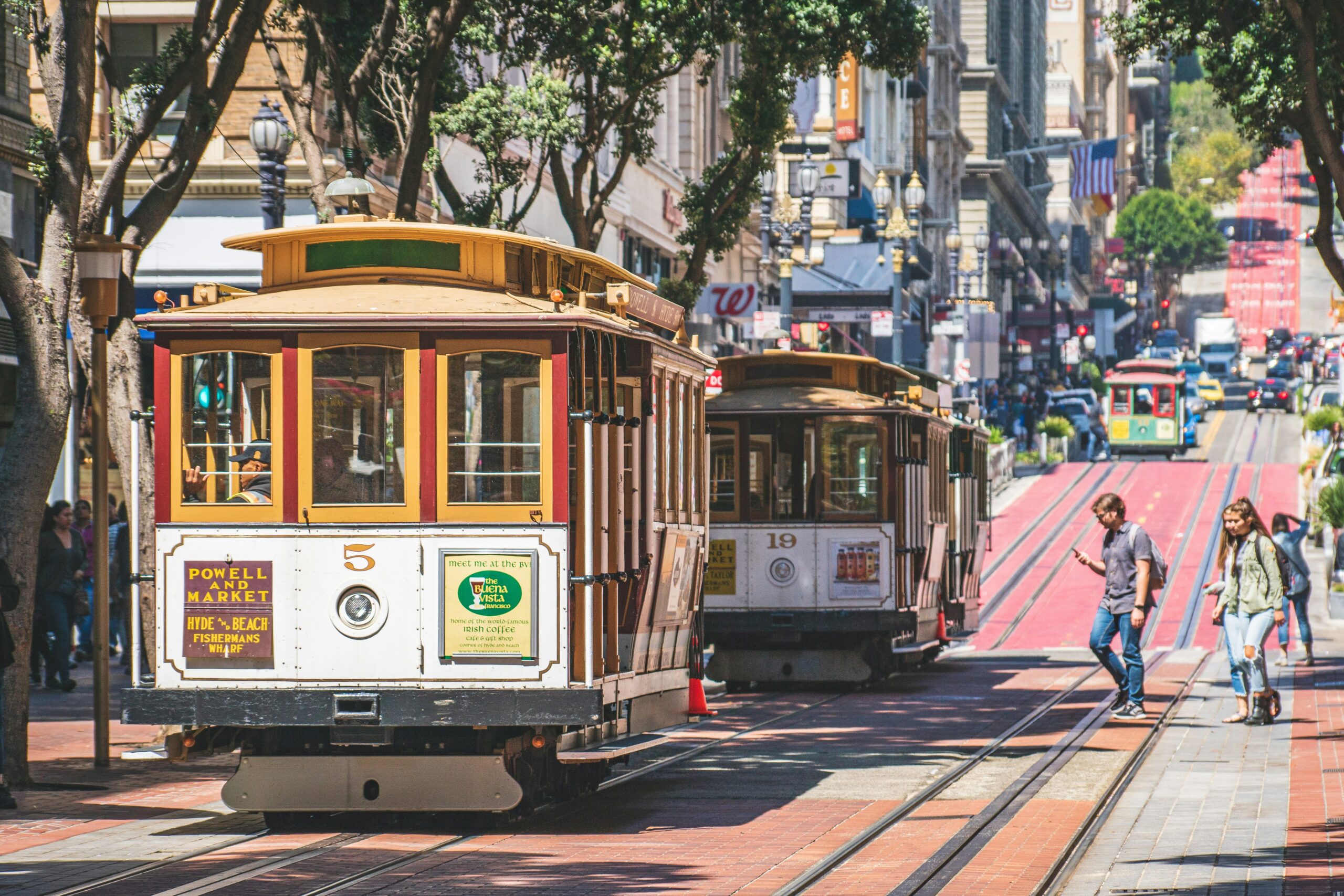
Cable Cars

Muni

BART

Cycling / Scooters

Walking
Domestic & International

Bus

Airport

Regional Travel
Culture & Lifestyle
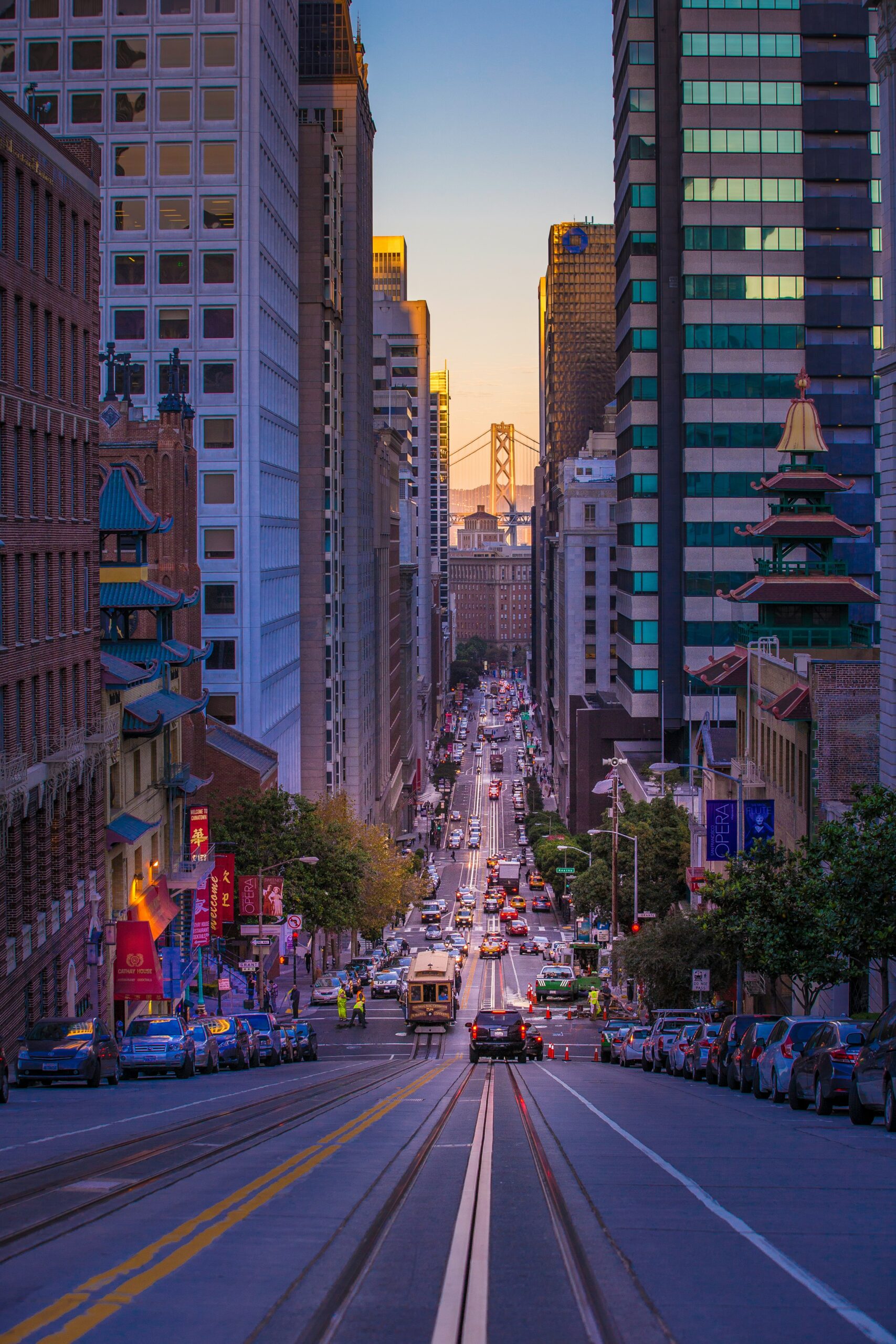
Cost of Living: Very high overall. Shared flats cost around $1,500–$2,200 per month, studios $2,800–$3,500. Meals out range from $15–$25, coffee $4–$6, and groceries usually total $80–$100 per week.
Climate: Cool summers, mild winters, and frequent coastal fog. Weather can vary widely between neighbourhoods.
Culture: Known for liberal values, tech innovation, and creative arts, with world-class museums and one of the U.S.’s most international food scenes.
Social & Nightlife: Nightlife is centred in the Mission and SoMa, with bars, live music, and cultural events, though evenings out can be expensive.
Lifestyle: Progressive and diverse, mixing tech professionals, artists, and students, all living close to both innovation hubs and natural landscapes.
Inclusivity & Safety
LGBTQ+ Community
One of the most LGBTQ+ friendly cities globally, with the Castro as a historic centre and Pride celebrated city-wide.




Top Attractions & Local Experiences
Must-Sees
- Golden Gate Bridge – The city’s most famous landmark.
- Alcatraz Island – Historic former prison with Bay views.
- Fisherman’s Wharf – Waterfront dining and entertainment.
- Golden Gate Park – Huge urban park with museums and gardens.
- Painted Ladies – Iconic Victorian houses.
- Chinatown – Oldest Chinatown in the U.S., full of markets and restaurants.
- San Francisco Museum of Modern Art (SFMOMA) – Leading contemporary art museum.
Local Gems
- Mission Murals – Colourful street art reflecting neighbourhood history.
- Dolores Park – Popular hangout for students and locals.
- Lands End – Coastal trail with ocean views.
- Ferry Building Market – Local food stalls and weekend markets.
- Castro Theatre – Classic cinema in the LGBTQ+ heart of the city.


Pre-departure Essentials
Documents & Visas: International students usually require an F-1 or J-1 visa, arranged through their university. Applications should be started early.
Health Insurance: Mandatory for all students, with most universities including coverage or offering approved providers.
Banking: Major banks include Chase, Wells Fargo, and Bank of America. Many students also use Wise or Revolut.
SIM Cards: AT&T, T-Mobile, and Verizon offer prepaid or monthly plans, typically costing $30–$50.
Post-arrival Essentials
Registration: Students must complete university orientation and update their SEVIS record shortly after arrival.
Banking & SIM: Open a U.S. bank account and set up mobile payments such as Apple Pay or Venmo.
Health & Safety: Emergency number is 911. Clinics and hospitals are widely available.
Shopping: Popular supermarkets include Safeway, Trader Joe’s, and Target.
Apps: Useful apps include MuniMobile (local transport), Clipper (transit card), Uber or Lyft (rides), Too Good To Go (food deals), and Yelp (local recommendations).