


Vancouver (Canada)
Destination Overview
Vancouver is a coastal gem on Canada’s west coast, surrounded by ocean and mountains. Known for its outdoorsy lifestyle, cultural diversity, and sustainability, the city blends urban living with nature — beaches, forests, and ski slopes are all within easy reach. While Vancouver is one of Canada’s most expensive cities, it offers a high quality of life, a safe environment, and a thriving international student community. With major universities and a strong creative and tech scene, it’s a popular choice for students and young professionals seeking balance between city life and the outdoors.
Quick Facts, Vancouver

Climate
Vancouver has a mild coastal climate, with rainy winters and warm, dry summers. Snow is rare in the city, and spring and autumn are pleasant for exploring.

Cost of Living
Living costs are high, with shared rooms typically costing CAD $1,000–$1,500 per month and weekly groceries averaging CAD $70–$100.

Lifestyle
Relaxed and outdoorsy, with daily life centred around nature, cafés, fitness, and neighbourhood living.

Vibe
Inclusive, eco-conscious, and creative. Vancouver attracts students and young professionals drawn to its quality of life and natural beauty.

Safety
Very safe overall, with low violent crime and strong public services. Petty theft can occur in busy areas.

Transport
Reliable public transport, excellent cycling infrastructure, and strong regional and international connections.
Areas & Neighbourhoods
1. Downtown
▲The city’s vibrant core, packed with cafés, shops, and nightlife. Extremely walkable and popular with young professionals, though housing is among the most expensive.
2. West End
▼3. Kitsilano (“Kits”)
▼4. Mount Pleasant
▼5. Commercial Drive (“The Drive”)
▼6. East Vancouver (“East Van”)
▼7/8. UBC / Point Grey
▼9. North Vancouver
▼Transport
Within Vancouver

SkyTrain

Buses

SeaBus

Cycling

Walking
Domestic & International

Bus

Airport

Train
Culture & Lifestyle
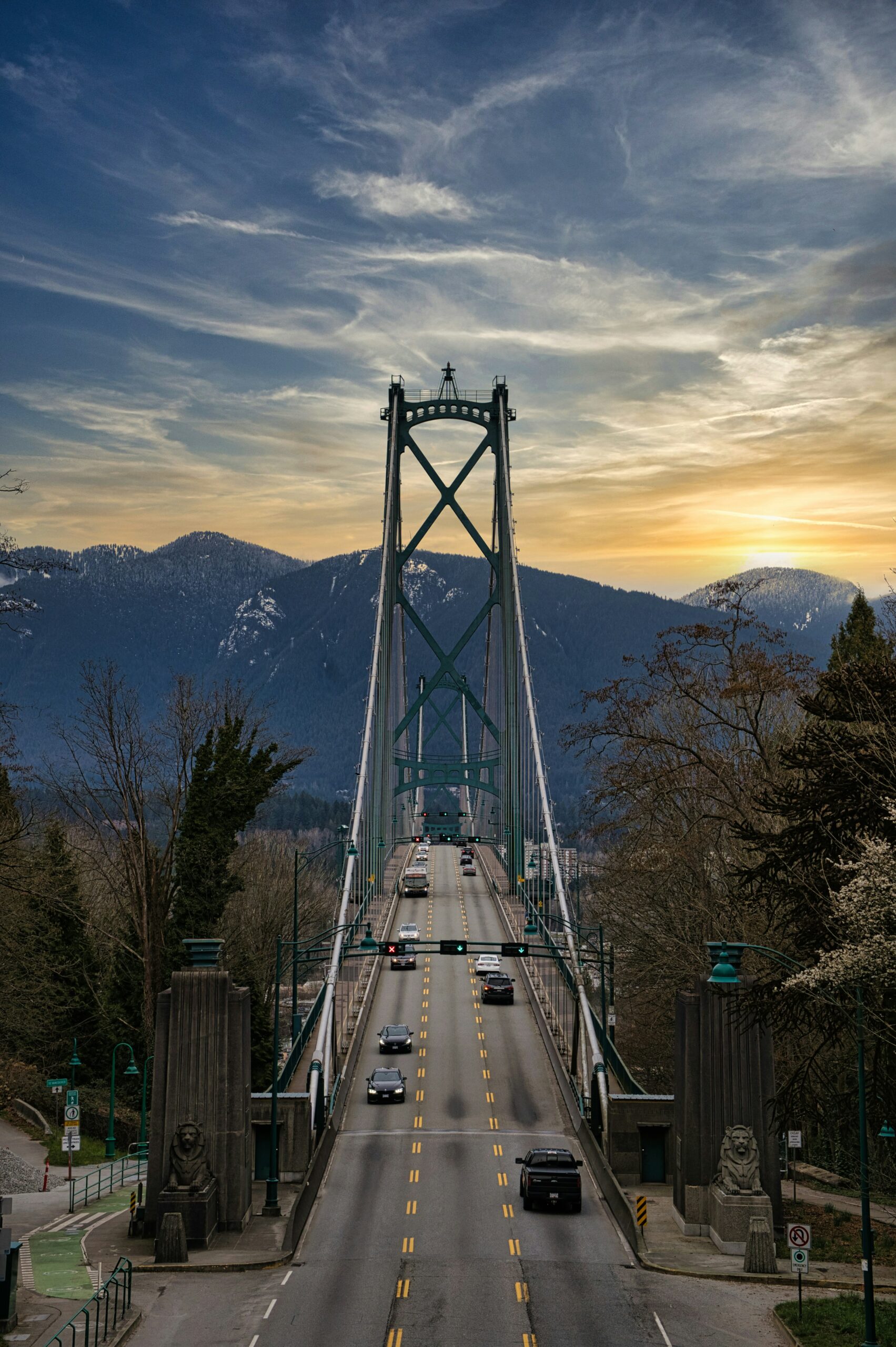
Cost of Living: High overall. Shared flats cost around CAD $1,000–$1,500 per month, studios CAD $1,800+. Meals out range from CAD $15–$25, coffee around CAD $5, and groceries usually total CAD $70–$100 per week.
Climate: Mild, oceanic weather with rainy winters and warm, dry summers. Snow is uncommon in the city.
Culture: Strongly outdoor-focused and eco-conscious, with year-round festivals, a growing music and film scene, and excellent international food.
Social & Nightlife: Nightlife centres around Downtown, Gastown, and Mount Pleasant, with bars, breweries, and live music rather than large club scenes.
Lifestyle: Health-conscious, inclusive, and closely connected to nature. Expect beach sunsets, mountain hikes, and relaxed neighbourhood cafés.
Inclusivity & Safety
LGBTQ+ Community
Very open and welcoming, with Davie Village in the West End serving as the main LGBTQ+ hub.





Top Attractions & Local Experiences
Must-Sees
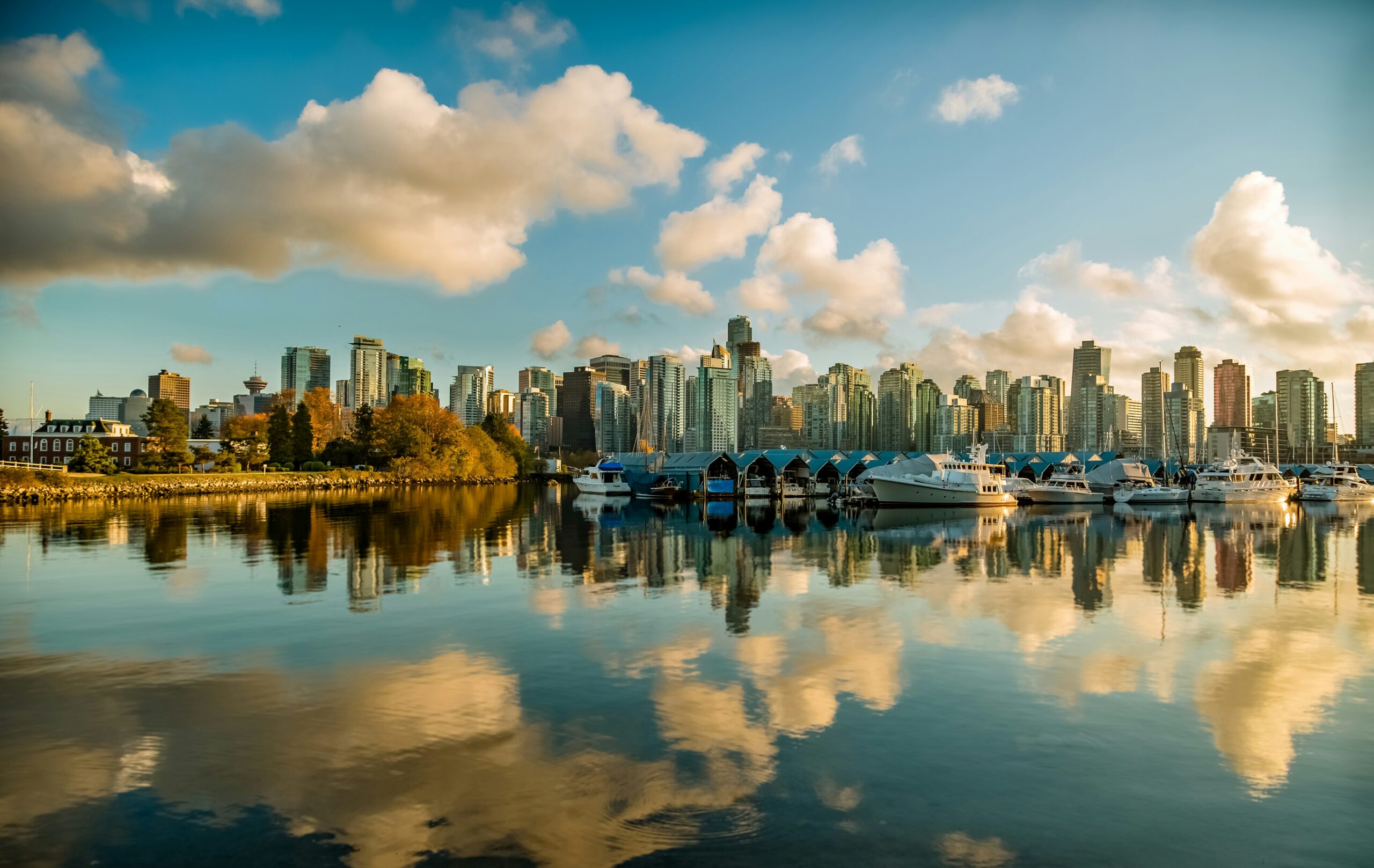
- Stanley Park – Iconic urban park with seawall trails and beaches.
- Granville Island – Public market, art studios, and food stalls.
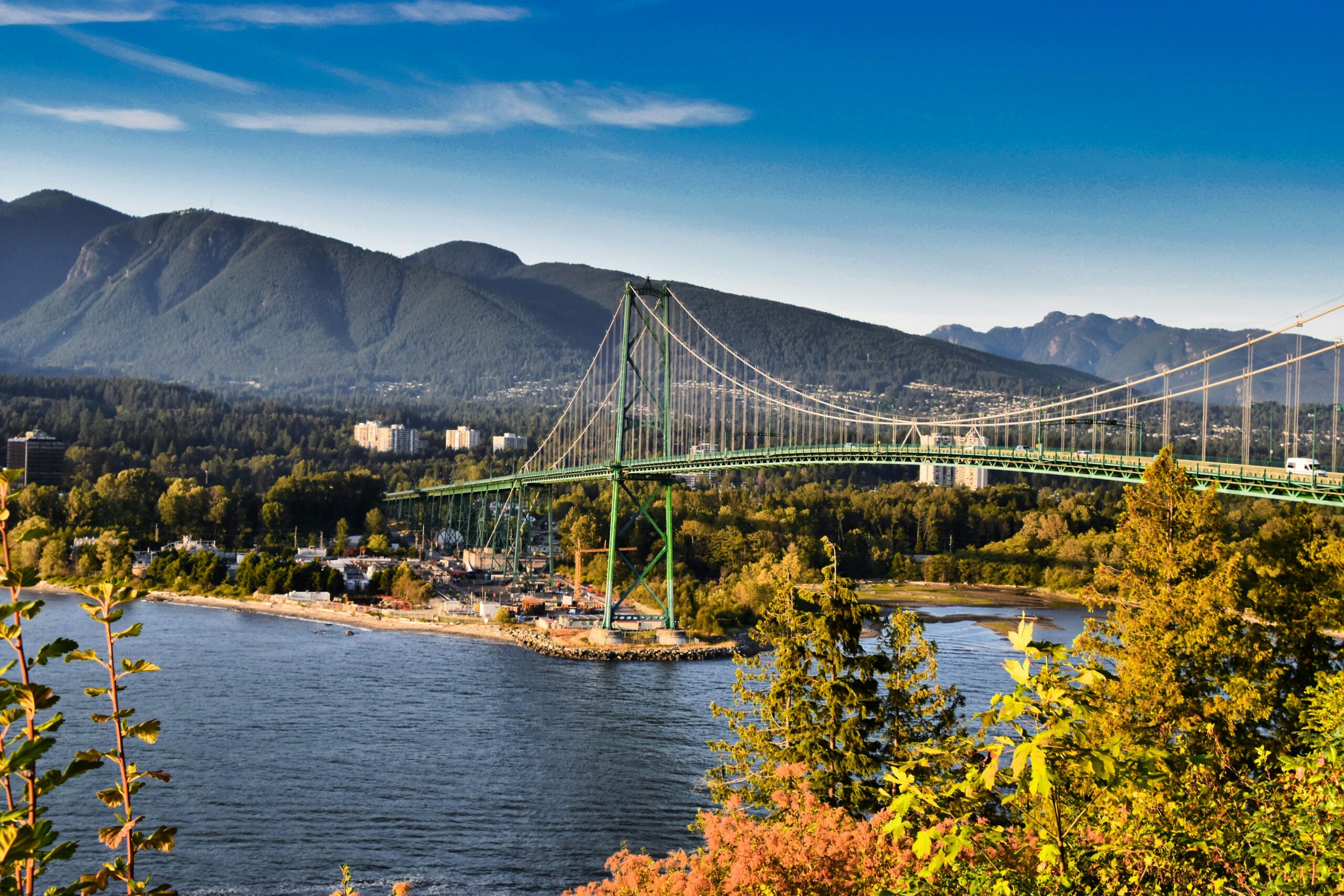
- Capilano Suspension Bridge – Forest walks and canyon views.
- Grouse Mountain – Hiking and skiing just 30 minutes from downtown.
- Vancouver Art Gallery – Major cultural landmark.
- Science World – Interactive museum and student favourite.
Local Gems
- Commercial Drive cafés – Independent shops and community vibes.
- Kitsilano Beach – Volleyball, sunsets, and ocean swims.
- Gastown – Cobbled streets, boutiques, and nightlife.
- English Bay Beach – Evening walks and summer sunsets.
- Night markets – Seasonal food markets in Richmond and North Vancouver.

Pre-departure Essentials
Documents & Visas: Most international students require a Canadian Study Permit for stays over six months. Young professionals must arrange work authorisation in advance.
Health Insurance: Students need coverage through British Columbia’s Medical Services Plan (MSP) or a university health plan.
Banking: Major banks include RBC, Scotiabank, TD, and BMO. Online options like Tangerine and Simplii are also popular.
SIM Cards: Telus, Rogers, and Fido are common providers, with plans usually costing CAD $25–$50 per month.
Post-arrival Essentials
Registration: Apply for your BC MSP card and set up a Compass Card for public transport.
Banking & SIM: Open a Canadian bank account and purchase a local SIM shortly after arrival.
Health & Safety: Emergency number is 911. Clinics and pharmacies are widespread.
Shopping: Major supermarkets include Save-On-Foods, No Frills, and Safeway.
Apps: Useful apps include TransLink (transport), Compass (tickets), SkipTheDishes (food delivery), Too Good To Go (discount food), Facebook Marketplace (second-hand items), and Interac e-Transfer (payments).