


New York (USA)
Destination Overview
New York City — the “city that never sleeps” — is a global epicentre of culture, creativity, and opportunity. Made up of five boroughs, each with its own identity, NYC blends historic neighbourhoods, iconic skyscrapers, and cultural diversity unlike anywhere else. From Broadway to Brooklyn, it’s a city of constant movement, endless food, art, and music, and an atmosphere that rewards ambition and individuality. Life here is fast-paced and energising, offering unparalleled professional and cultural experiences. While the cost of living is high, the city’s energy, diversity, and opportunity make it one of the most exciting places in the world to live and study.
Quick Facts, New York

Climate
New York experiences four distinct seasons, with cold winters, hot summers, and mild, pleasant springs and autumns that are ideal for city life.

Cost of Living
Living costs are high, with shared rooms typically costing $1,200–$1,800 per month and weekly groceries averaging $60–$100.

Lifestyle
Fast-paced and energising, with a strong focus on work, creativity, and social life. Walking and public transport dominate daily routines.

Vibe
Bold, ambitious, and diverse. New York rewards individuality and attracts students and young professionals from all over the world.

Safety
Generally safe for its size, with busy streets and strong public services. Like any major city, standard precautions are advised.

Transport
Extensive 24/7 public transport, excellent walkability, and strong domestic and international connections.
Areas & Neighbourhoods
1. Downtown Manhattan (Greenwich Village, East Village, Lower East Side, SoHo)
▲Trendy, student-heavy areas packed with cafés, nightlife, and culture. Central, walkable, and social, though rents are among the highest.
2. Midtown Manhattan
▼3. Uptown Manhattan (Harlem, Morningside Heights, Washington Heights)
▼4. Williamsburg (Brooklyn)
▼5. Bushwick (Brooklyn)
▼6/7. Astoria & Long Island City (Queens)
▼8/9. Jersey City & Hoboken (New Jersey)
▼Transport
Within New York

Subway

Buses

Bikes / Scooters

Walking
Ride-hailing
Domestic & International

Bus

Airport

Train
Culture & Lifestyle

Cost of Living: High compared to most cities. Shared flats typically cost $1,200–$1,800 per month, studios $2,000–$3,000. Meals out range from $12–$20, coffee $4–$6, and groceries usually total $60–$100 per week.
Climate: Cold winters, hot and humid summers, and mild spring and autumn seasons. Autumn is especially popular for city life.
Culture: One of the world’s leading cultural capitals, offering everything from Broadway and world-class museums to underground music and street art.
Social & Nightlife: Non-stop and varied. Rooftop bars, live music venues, late-night diners, and neighbourhood bars cater to every taste.
Lifestyle: Fast-moving and opportunity-driven. Long days, high energy, and constant discovery balanced by large green spaces and neighbourhood cafés.
Inclusivity & Safety
LGBTQ+ Community
Exceptionally inclusive and historic. Greenwich Village, Chelsea, and Hell’s Kitchen are major LGBTQ+ hubs, and Pride is a central part of city identity.





Top Attractions & Local Experiences

Must-Sees
- Statue of Liberty & Ellis Island – Iconic symbols of freedom and migration.
- Central Park – Vast green space in the heart of Manhattan.
- Empire State Building – Classic skyline views.
- Broadway – World-famous theatre district.
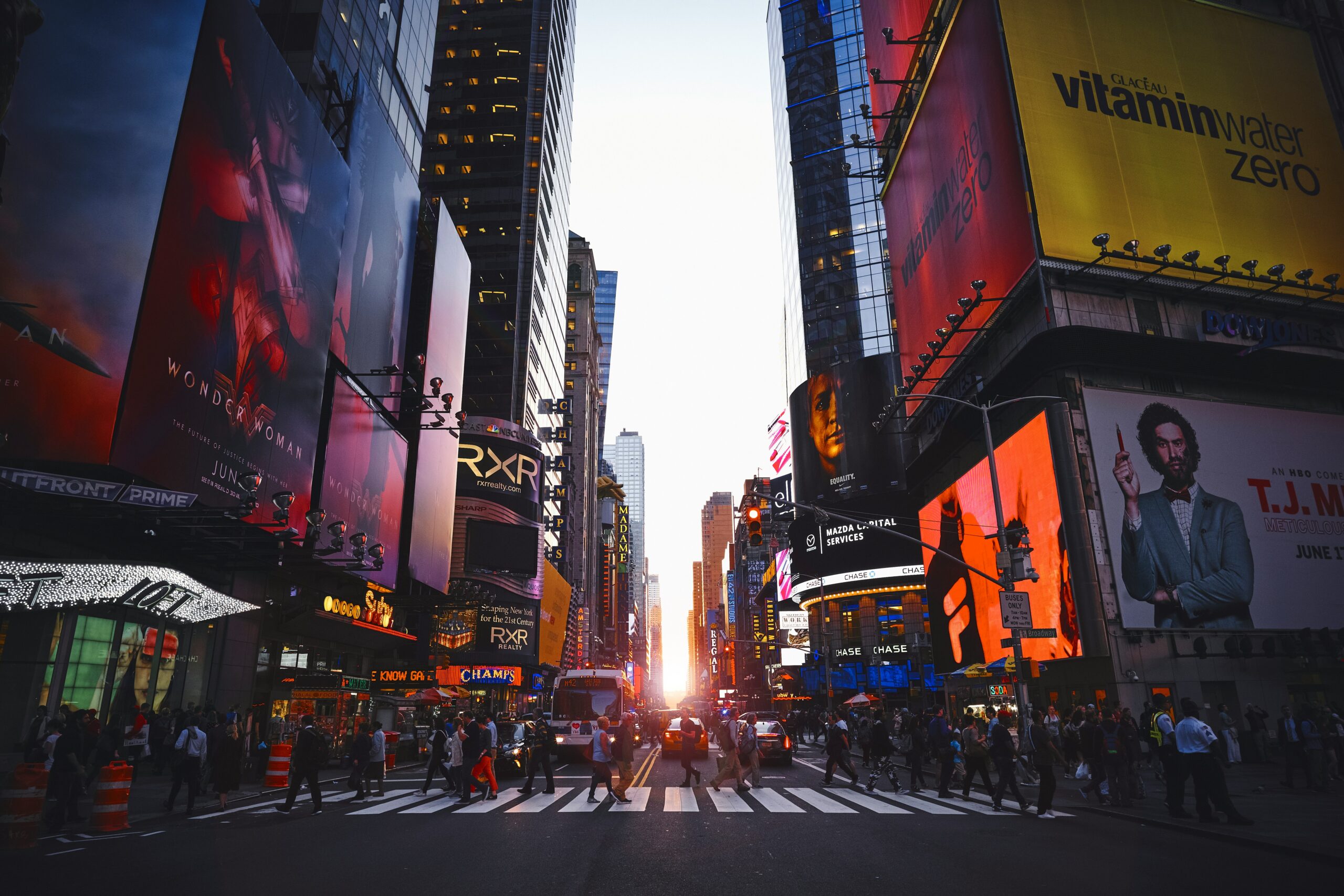
- Times Square – Neon-lit landmark and cultural symbol.
- Brooklyn Bridge – Historic crossing with city views.
- The Met & MoMA – Leading global art museums.
- 9/11 Memorial & One World Observatory – Reflective modern landmarks.
Local Gems
- Williamsburg rooftops – Nightlife with skyline views.
- The High Line – Elevated park with art and architecture.
- Chinatown & Koreatown – Authentic global food scenes.
- Prospect Park – Relaxed local alternative to Central Park.
- Governors Island – Seasonal events, cycling, and waterfront views.
- Harlem jazz clubs – Live music rooted in local history.

Pre-departure Essentials
Documents & Visas: International students usually require an F-1 or J-1 visa. Applications should be started early, and SEVIS requirements must be maintained. Young professionals need appropriate work authorisation arranged in advance.
Health Insurance: Mandatory for students, either through a university plan or approved private insurance.
Banking: Major banks include Chase, Bank of America, and Citibank. Many students also use Wise or Revolut for international transfers.
SIM Cards: AT&T, T-Mobile, and Verizon offer prepaid and contract plans, usually costing $25–$50 per month.
Post-arrival Essentials
Registration: Students must complete university orientation and visa check-in shortly after arrival.
Banking & SIM: Open a local bank account if required and set up a US phone plan.
Health & Safety: Emergency number is 911. Pharmacies such as CVS and Walgreens are widespread.
Shopping: Popular supermarkets include Trader Joe’s, Whole Foods, Target, and local neighbourhood stores.
Apps: Useful apps include Citymapper, Google Maps, Uber, Lyft, Seamless, Venmo, and Too Good To Go.