


Vienna (Austria)
Destination Overview
Vienna, the capital of Austria, is a historic yet modern city, famous for its imperial architecture, music, and high quality of life. Regularly ranked as one of the world’s most liveable cities, Vienna combines culture, safety, and affordability for students. It is home to major institutions such as the University of Vienna, Vienna University of Technology, and several art and music academies. The city’s affordable public transport, vibrant international community, and cultural richness make it a top study destination in Europe.
Quick Facts, Vienna

Climate
Vienna has a continental climate with cold winters and warm summers. Spring and autumn are mild and pleasant, while summers can reach the high 20s°C.

Cost of Living
Moderate by European standards. Student room rentals usually range from €400–€650 per month, with weekly grocery costs around €35–€60.

Lifestyle
Calm, organised, and high-quality, with a strong café culture, green spaces, and clear work–life balance.

Vibe
Elegant and historic, but student-friendly and international beneath the surface. Traditional on the outside, relaxed and youthful within.

Safety
One of Europe’s safest capitals, with very low violent crime and excellent public services.

Transport
Outstanding public transport coverage with metro, trams, and buses. Student passes make getting around very affordable.
Areas & Neighbourhoods
1. Innere Stadt (1st District)
▲The historic UNESCO-listed centre, home to St. Stephen’s Cathedral and major landmarks. Beautiful but very expensive and not ideal for student living.
2. Leopoldstadt (2nd District)
▼3. Wieden (4th District)
▼4/5. Mariahilf & Neubau (6th & 7th Districts)
▼6. Josefstadt (8th District)
▼7. Alsergrund (9th District)
▼8. Favoriten (10th District)
▼Transport
Within Vienna

Metro (U-Bahn)

Trams / Buses

Cycling / Scooters
Domestic & International

Bus

Airport

Train
Culture & Lifestyle
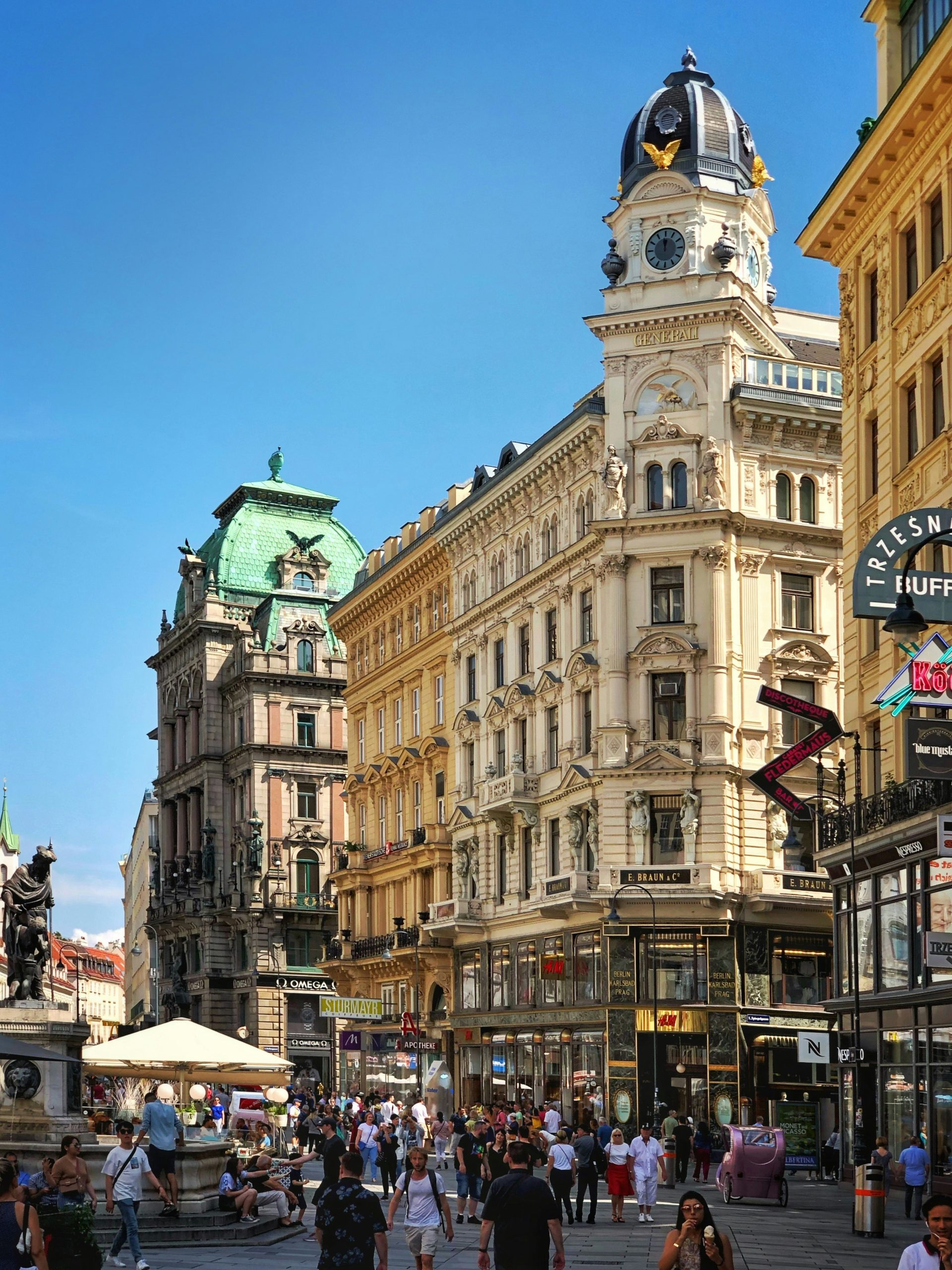
Cost of Living: Shared accommodation typically costs €400–€650 per month, with studios usually €750–€1,000 depending on location. Meals in casual restaurants cost €10–15, coffee €3–4, and beer €4–5. Weekly groceries average €35–€60.
Climate: Cold winters (0–4°C) with occasional snow, warm summers (25–30°C), and pleasant spring and autumn seasons.
Culture: Vienna is globally renowned for classical music, opera, and museums, but also has a strong alternative and student-led cultural scene, especially in Neubau, along the Gürtel, and around universities.
Social & Nightlife: Nightlife is more relaxed than party-heavy cities, centred around bars, live music venues, and clubs along the Gürtel and in the 6th and 7th districts. Café culture is central to student life.
Lifestyle: Organised, green, and high-quality. Vienna offers a slower pace than many capitals, with a strong emphasis on wellbeing, public spaces, and cultural access.
Inclusivity & Safety
LGBTQ+ Community
Vienna is open and inclusive, with Pride events, LGBTQ+ venues, and community organisations, particularly around the Naschmarkt area.





Top Attractions & Local Experiences
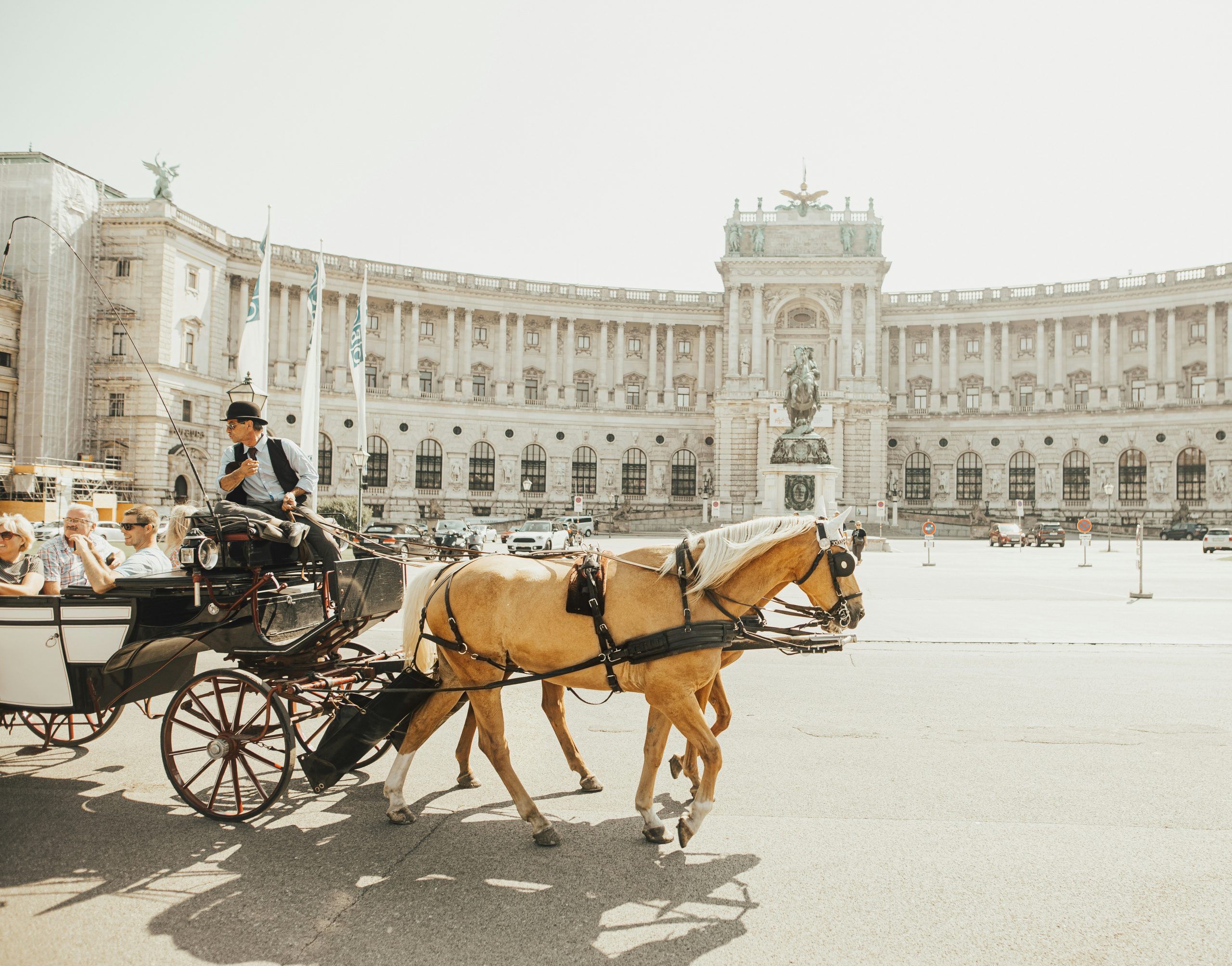
Must-Sees
- Schönbrunn Palace & Gardens – Imperial residence and one of Vienna’s most iconic sites.
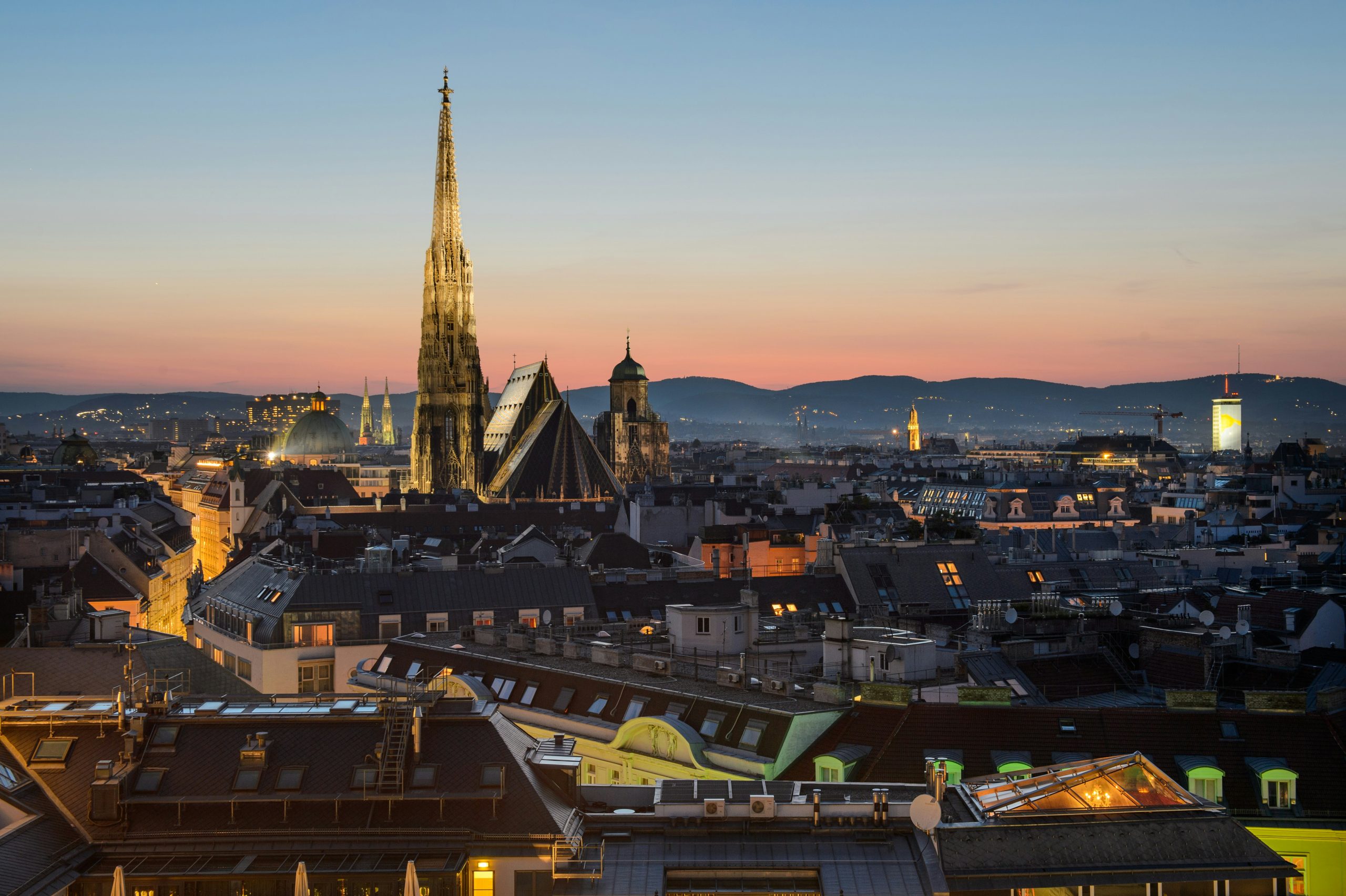
- St. Stephen’s Cathedral – Gothic landmark at the heart of the city.
- MuseumsQuartier – Major cultural complex and key student hangout.
- Prater & Giant Ferris Wheel – Green space and classic Vienna experience.
- Belvedere Palace – Historic palace complex and art museum.
Local Gems
- Naschmarkt – Lively food market and social hotspot.
- Donauinsel – Cycling, swimming, summer parties, and festivals.
- Gürtel nightlife – Clubs, live music venues, and late-night bars.
- Traditional cafés & Beisln – Affordable, social, and central to student culture.
- Heuriger wine taverns – Casual evenings in Vienna’s wine districts.
Pre-departure Essentials
Documents & Visas: EU/EEA students do not need a visa. Non-EU students must apply for an Austrian student residence permit (Aufenthaltsbewilligung – Student) before arrival.
Health Insurance: EU students can use a valid EHIC. Non-EU students must arrange Austrian health insurance, either through ÖGK (student public insurance) or approved private providers.
Banking: Common banks include Erste Bank, Raiffeisen, and Bank Austria. Revolut and N26 are widely used, though some landlords require an Austrian IBAN.
SIM Cards: A1, Magenta, Drei, and HoT offer prepaid and monthly plans, typically starting from €10–20.
Post-arrival Essentials
Registration: All residents must register their address using a Meldezettel within 3 days of arrival.
Banking & SIM: Open a local bank account if required and purchase a SIM card if not arranged beforehand.
Health & Safety: Emergency numbers include 112 (general), 133 (police), and 144 (ambulance). Pharmacies are widespread, with night pharmacies operating on rotation.
Shopping: Billa, Spar, Hofer (Aldi), Lidl, and Penny are common supermarkets. Naschmarkt offers international food and fresh produce.
Apps: Useful apps include Wiener Linien (transport), ÖBB (trains), Willhaben (second-hand), Too Good To Go (discount food), Lieferando (delivery), and Studo (student organisation and timetables).