


Krakow (Poland)
Destination Overview
Kraków, Poland’s historic royal capital, is one of the country’s most popular student cities. Known for its stunning medieval Old Town, lively atmosphere, and affordable cost of living, it attracts thousands of international students each year. The city is home to Jagiellonian University (one of Europe’s oldest), AGH University of Science and Technology, and several other higher education institutions. It combines a strong academic tradition with vibrant nightlife, cultural events, and a friendly, student-oriented lifestyle.
Quick Facts, Krakow

Climate
Kraków has cold winters with snow and warm summers. Spring and autumn are mild and pleasant, while winter temperatures often drop below freezing.

Cost of Living
Living costs are very affordable. Student rooms typically cost €250–€400, with groceries and eating out among the cheapest in Europe.

Lifestyle
The city is compact and walkable, with a strong café culture, green spaces, and a lively student rhythm centred around social life and culture.

Vibe
Kraków blends historic beauty with a youthful, international student atmosphere. It feels lively, social, and welcoming, especially in the city centre.

Safety
Kraków is generally very safe, with low violent crime. Central areas are busy at night, though standard precautions apply in tourist crowds.

Transport
The city has an excellent tram and bus network, is easy to walk, and offers cheap student transport passes with reliable regional connections.
Areas & Neighbourhoods
1. Old Town (Stare Miasto)
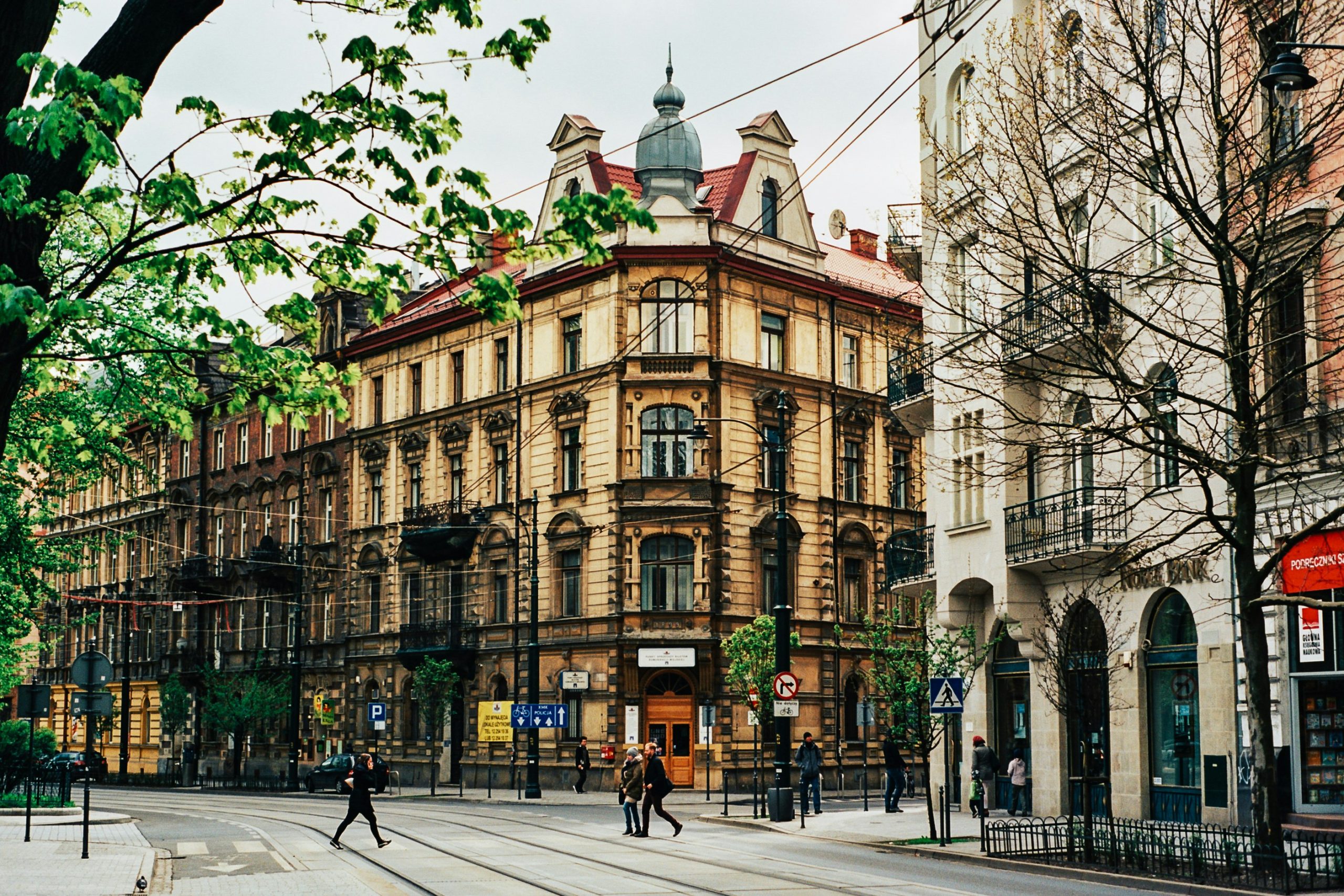
▲Historic UNESCO-listed centre filled with cafés, restaurants, and nightlife. Beautiful and central, but tourist-heavy and more expensive for accommodation.
2. Kazimierz
▼3. Podgórze
▼4. Krowodrza
▼5. Grzegórzki
▼6. Bronowice
▼7. Zwierzyniec
▼Transport
Within Krakow

Trams / Buses

Bikes / Scooters

Walking
Domestic & International

Bus

Airport

Train
Culture & Lifestyle
Cost of Living: Very affordable. Shared flats €250–€400/month, studios €500–€700. Meals €3–10, coffee €2–3, beer €2–3. Groceries €25–40/week.
Climate: Continental. Cold winters (–5 to 3°C, snow common) and hot summers (25–30°C). Spring and autumn are mild and pleasant.
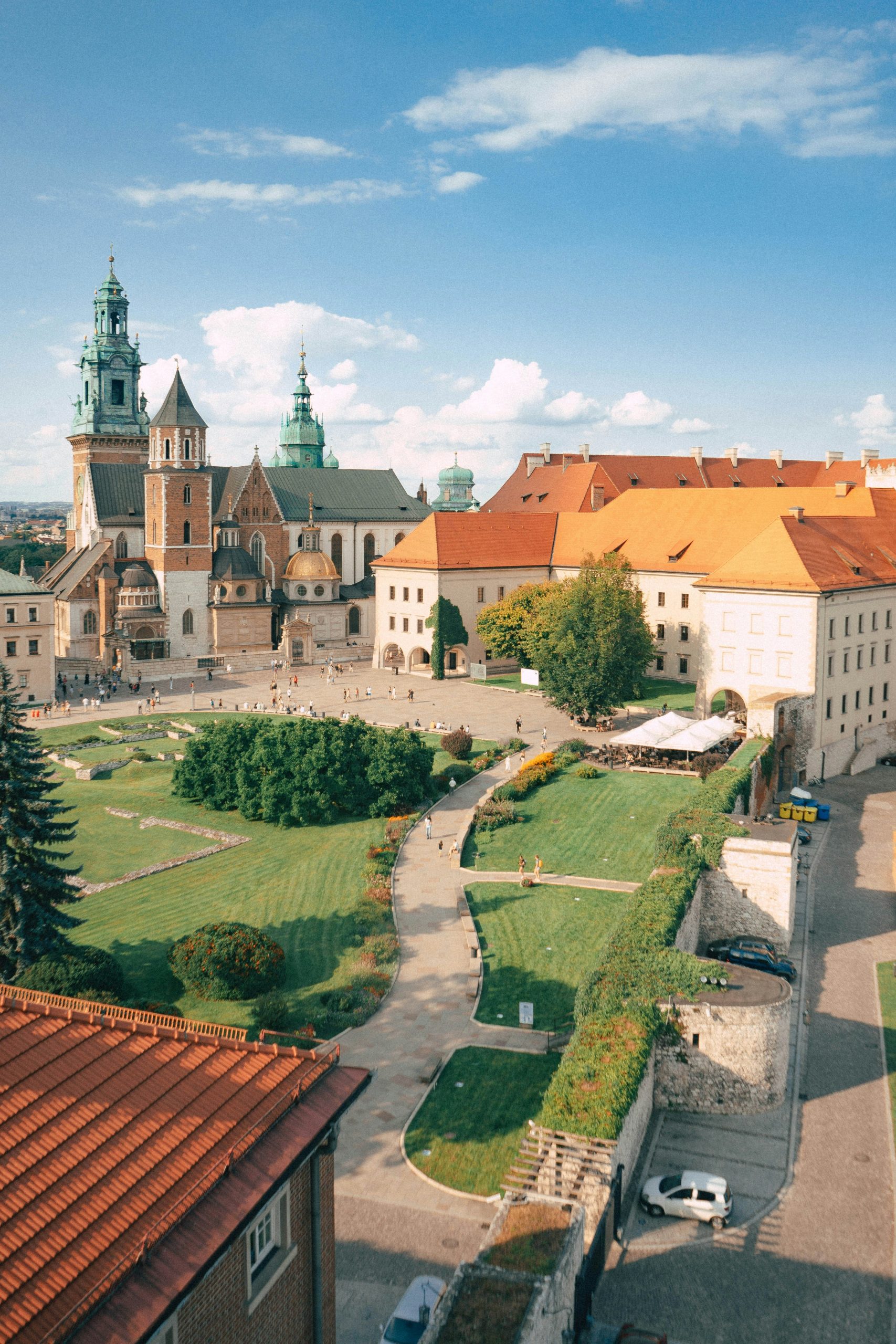
Culture: UNESCO World Heritage city with medieval architecture, Wawel Castle, and Jewish heritage. Hosts festivals such as Wianki, the Jewish Culture Festival, and year-round arts and music events.
Social & Nightlife: One of Europe’s top student nightlife cities. Old Town and Kazimierz are packed with bars and clubs, with cheap drinks and late nights.
Lifestyle: Affordable, social, and student-dominated. Riverside hangouts, green parks, and strong international student networks make it easy to settle in.
Inclusivity & Safety
LGBTQ+ Community
More conservative than Western Europe, but improving. Annual Equality March takes place, and LGBTQ+-friendly venues exist in Kazimierz and the city centre.



Top Attractions & Local Experiences
Must-Sees
- Wawel Castle – Former royal residence overlooking the Vistula River and one of Poland’s most important landmarks.
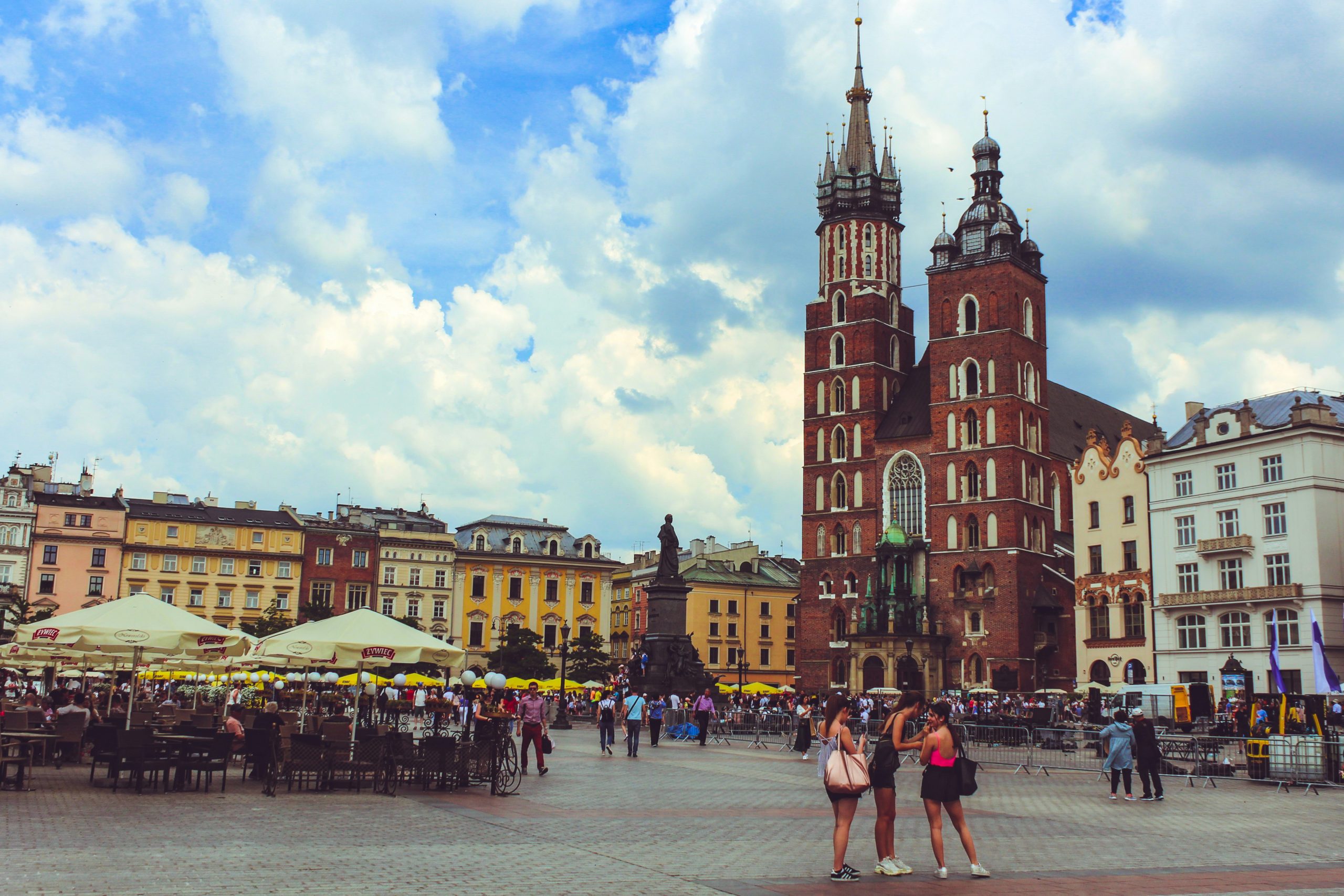
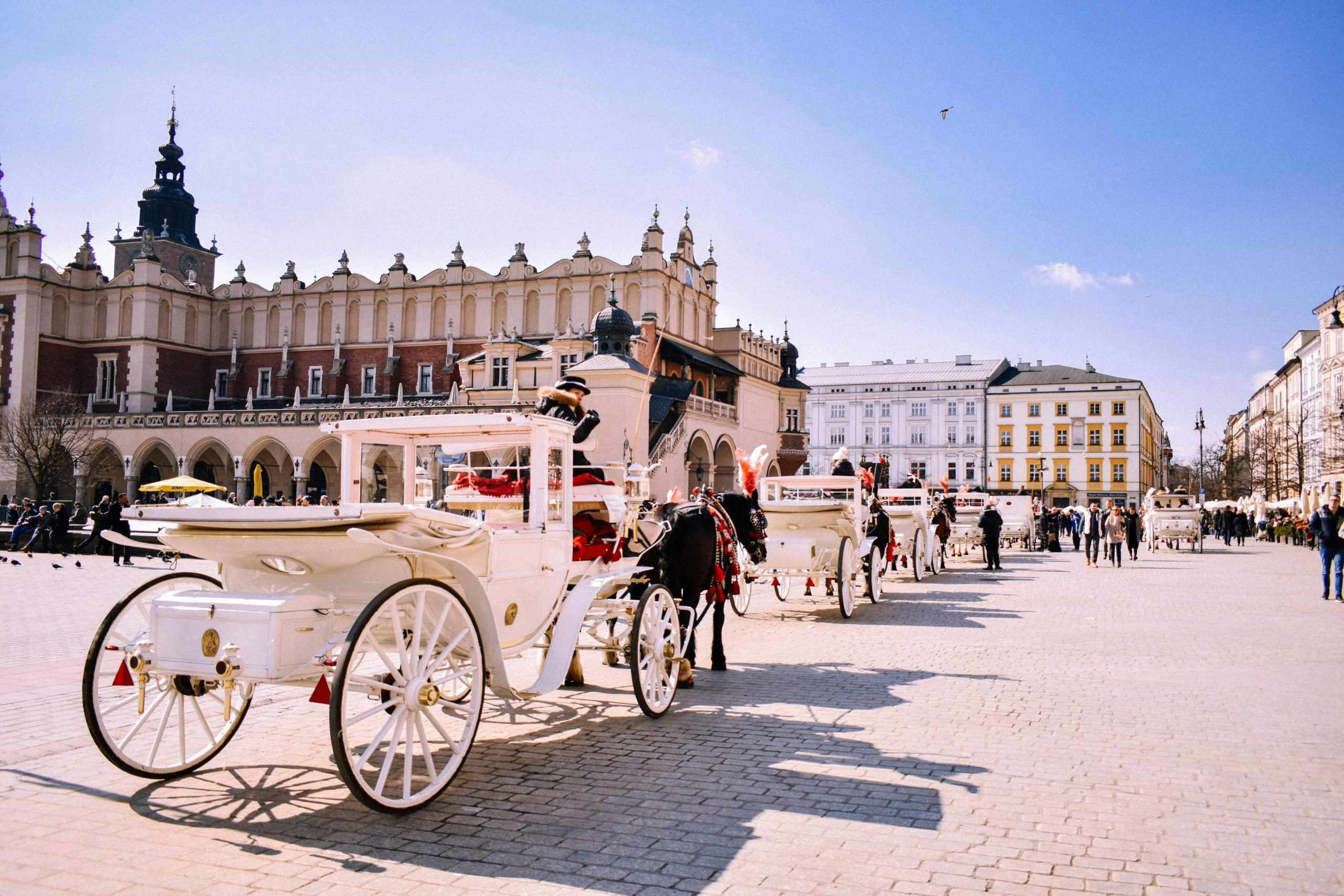
- Main Market Square (Rynek Główny) – Europe’s largest medieval square, packed with cafés, bars, and historic buildings.
- St Mary’s Basilica – Iconic Gothic church known for its ornate interior and hourly trumpet call.
- Kazimierz – Historic Jewish Quarter, now a cultural and nightlife hub popular with students.
- Schindler’s Factory Museum – Powerful museum exploring Kraków’s WWII history.
- Wieliczka Salt Mine – UNESCO World Heritage site just outside the city, often visited on day trips.
Local Gems
- Zakrzówek – Scenic former quarry turned swimming and hangout spot, especially popular in summer.
- Forum Przestrzenie – Riverside bar and cultural space, a favourite with students for sunset drinks.
- Błonia Park – Huge green space near the centre, used for sports, picnics, and festivals.
- Milk bars (bar mleczny) – Traditional Polish eateries offering very cheap, authentic meals.
- Podgórze – Creative district across the river with street art, views, and a more local feel.
Pre-departure Essentials
Documents & Visas: EU/EEA students don’t need a visa. Non-EU students require a Polish national student visa (Type D), usually issued based on a university acceptance letter, proof of accommodation, health insurance, and sufficient funds.
Health Insurance: EU students can use the EHIC for basic healthcare. Non-EU students must arrange private or university-provided health insurance before arrival, which is often required for visa and residence applications.
Banking: Major banks include PKO BP, mBank, and Santander. Online banks such as Revolut and N26 are widely used by students. A Polish bank account may be required for rent payments, part-time work, or university administration.
SIM Cards: Orange, Play, Plus, and T-Mobile offer affordable prepaid and monthly plans, typically costing €5–15/month. SIM cards are easy to buy in city centres, shopping malls, and airports.
Student Card: ISIC or ESN cards provide discounts on public transport, museums, cinemas, travel, and cultural events, and are widely accepted across Kraków.
Post-arrival Essentials
Registration: Students staying longer than 3 months must register their place of residence. Non-EU students must also apply for a temporary residence permit after arrival, which can take several weeks to process.
Health & Safety: The emergency number is 112. Public and private healthcare facilities are widely available, and pharmacies (apteka) are common throughout the city.
Shopping: Main supermarkets include Biedronka, Lidl, Carrefour, and Auchan. Note that most large shops are closed on Sundays due to Polish trading laws, so planning ahead is important.
Apps: Jakdojade (public transport planning), Bolt/Uber (taxis), Pyszne.pl (food delivery), OLX.pl (second-hand items and housing), and Revolut (banking and payments) are widely used by students.
PESEL Number: A PESEL (national ID number) may be required for healthcare access, banking, university administration, or employment. Some students are issued one automatically, while others apply through the local office.