


Lisbon (Portugal)
Destination Overview
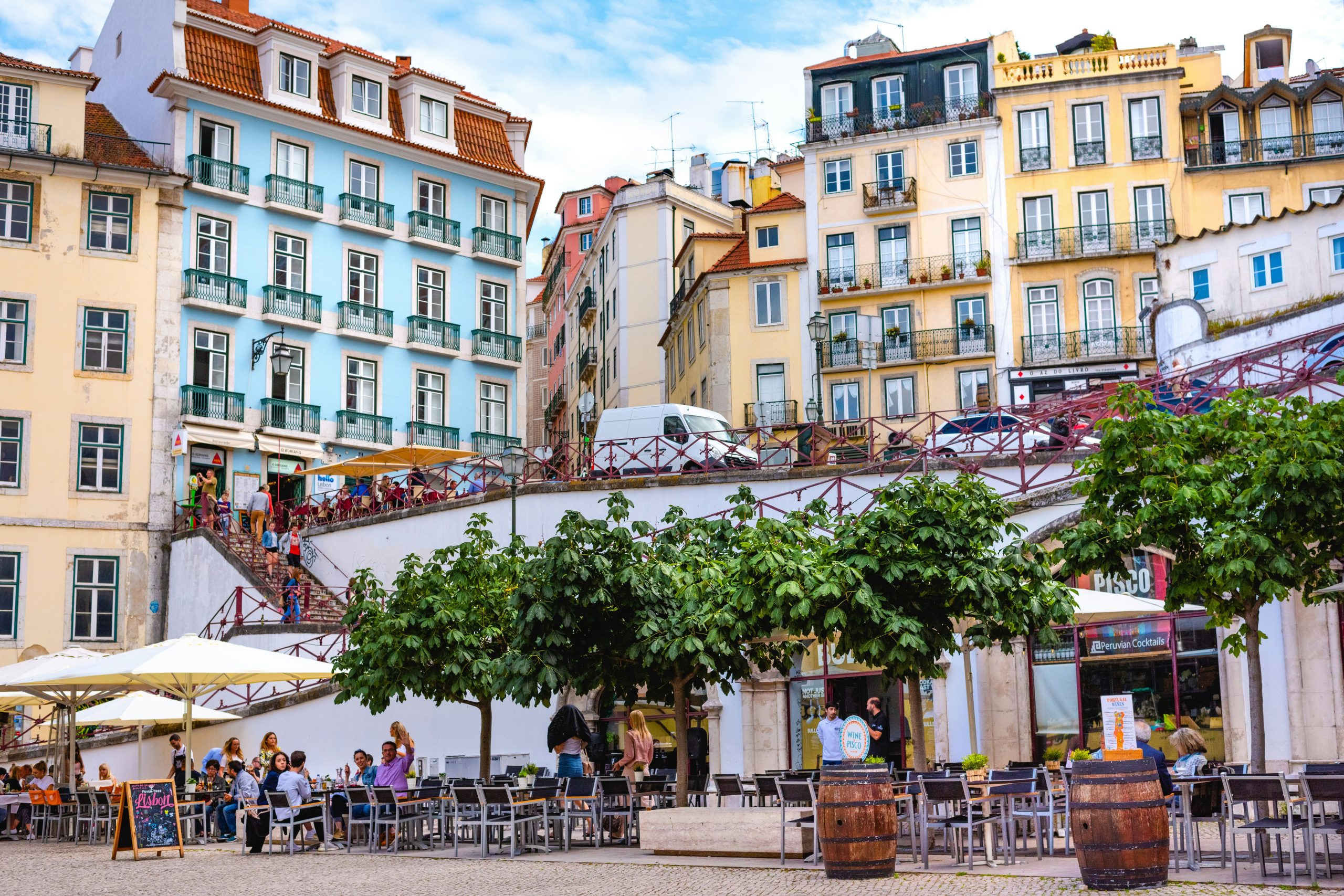
Lisbon, Portugal’s capital, is a coastal city known for its colourful hills, tiled façades, and Atlantic charm. With a rich maritime history, vibrant nightlife, and a lower cost of living than many Western European capitals, Lisbon has become increasingly popular with international students and young professionals. The city combines tradition with modern energy, offering a relaxed lifestyle, strong social scene, and easy access to beaches.
Quick Facts, Lisbon

Climate
Mild Mediterranean climate with hot summers and very mild winters. One of Europe’s sunniest capitals.

Cost of Living
More affordable than most Western European capitals. Shared housing typically €400–€600.

Lifestyle
Relaxed, social, and outdoorsy, with strong café culture and late evenings.

Vibe
Historic, creative, and increasingly international, with students and young professionals shaping city life.

Safety
Very safe overall. Pickpocketing is the main issue in busy tourist areas.

Transport
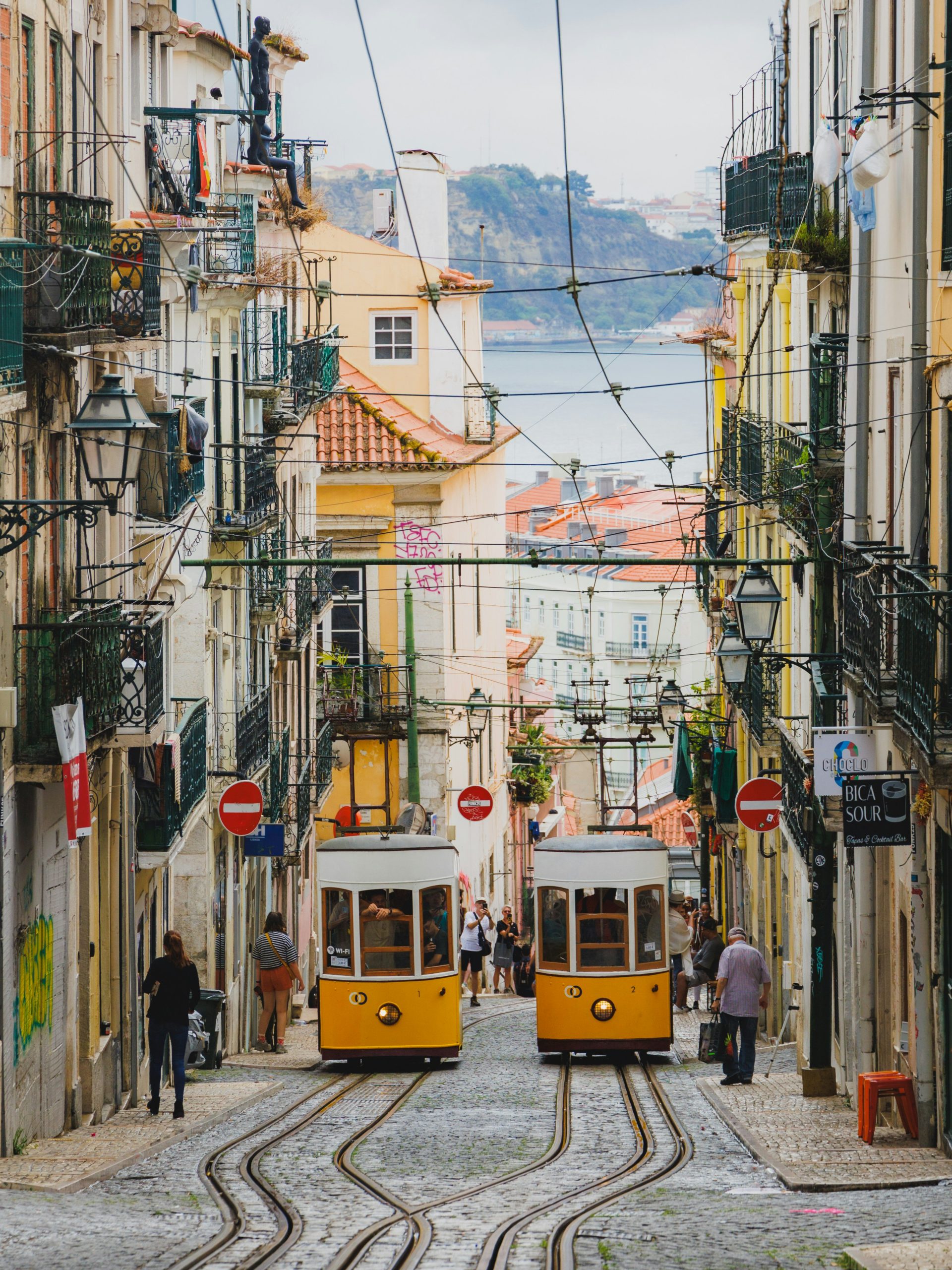
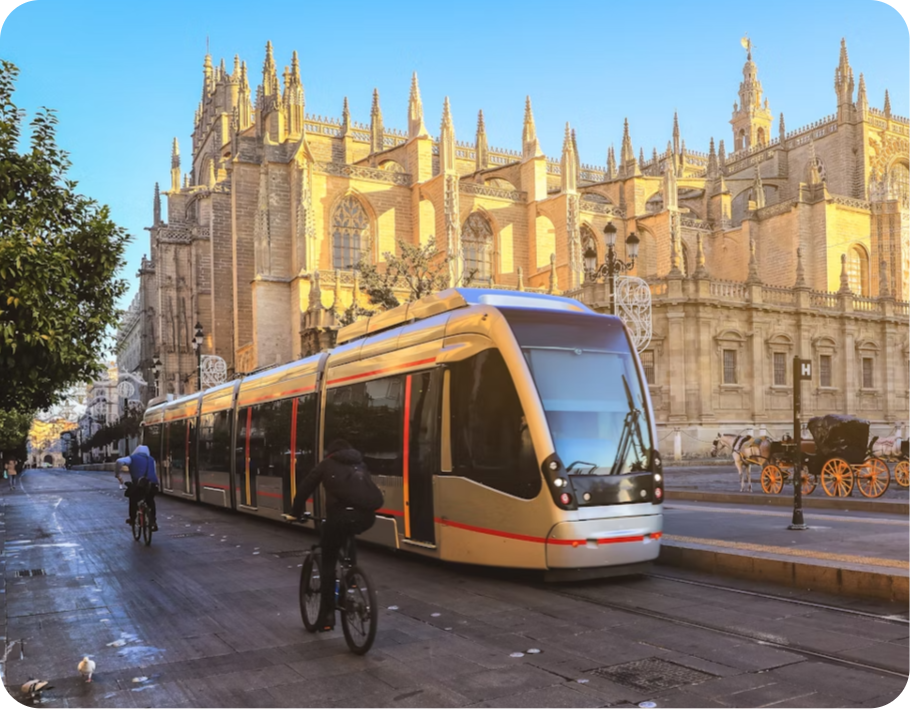
Affordable, reliable public transport plus walkable neighbourhoods and scenic trams.
Areas & Neighbourhoods
1. Baixa & Chiado
▲Central, historic, and lively, with theatres, cafés, shops, and nightlife. Excellent location and walkable, but tourist-heavy and more expensive for long-term student housing.
2. Bairro Alto
▼3. Príncipe Real
▼4. Alfama
▼5/6. Avenida da Liberdade & Marquês de Pombal
▼7. Arroios
▼8. Campo de Ourique
▼9. Graça
▼Transport
Within Lisbon

Metro

Trams / Buses

Ferries

Cycling / Scooters
Domestic & International

Bus

Airport

Train
Culture & Lifestyle
Cost of Living: Shared flats €400–€600/month, studios €800+. Coffee €1–€2, meals €8–€12, beer €2–€3. Weekly groceries €30–€50.
Climate: Hot summers (28–32°C) and very mild winters (8–15°C), with sunshine most of the year.
Culture: Strong traditions of fado music, azulejo tiles, and maritime history mixed with contemporary art, museums, and festivals like NOS Alive.
Social & Nightlife: Bairro Alto and Cais do Sodré are nightlife centres, with student bars, rooftop venues, and late-night clubs.
Lifestyle: Relaxed pace with a strong café culture and outdoor living. Scenic viewpoints, riverfront walks, and quick access to beaches shape daily life.
Inclusivity & Safety
LGBTQ+ Community
Lisbon is one of the most LGBTQ+-friendly cities in Southern Europe, with Bairro Alto and Príncipe Real as key hubs. Pride and inclusive cultural events are well established.





Top Attractions & Local Experiences
Must-Sees
- Belém Tower – Iconic riverside fortress symbolising Portugal’s Age of Discovery.
- Jerónimos Monastery – Manueline masterpiece and UNESCO World Heritage Site in Belém.
- São Jorge Castle – Hilltop castle offering panoramic views over Lisbon and the river.
- Alfama District – Historic heart of Lisbon with narrow streets and traditional fado houses.
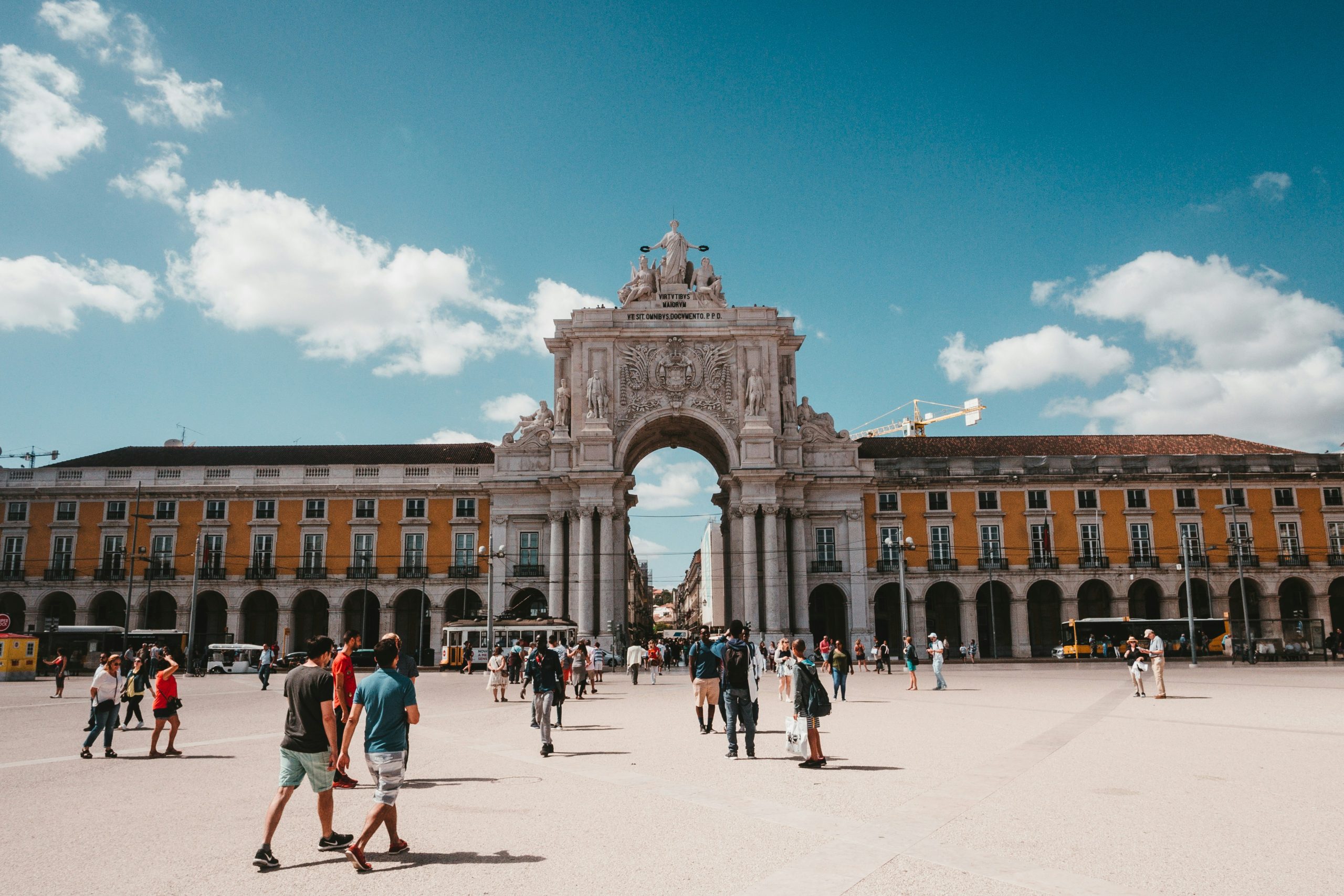
- Praça do Comércio – Grand riverside square marking Lisbon’s historic entrance.
- Oceanário de Lisboa – One of Europe’s largest and most impressive aquariums.
- Elevador de Santa Justa – Historic lift connecting Baixa and Chiado with city views.
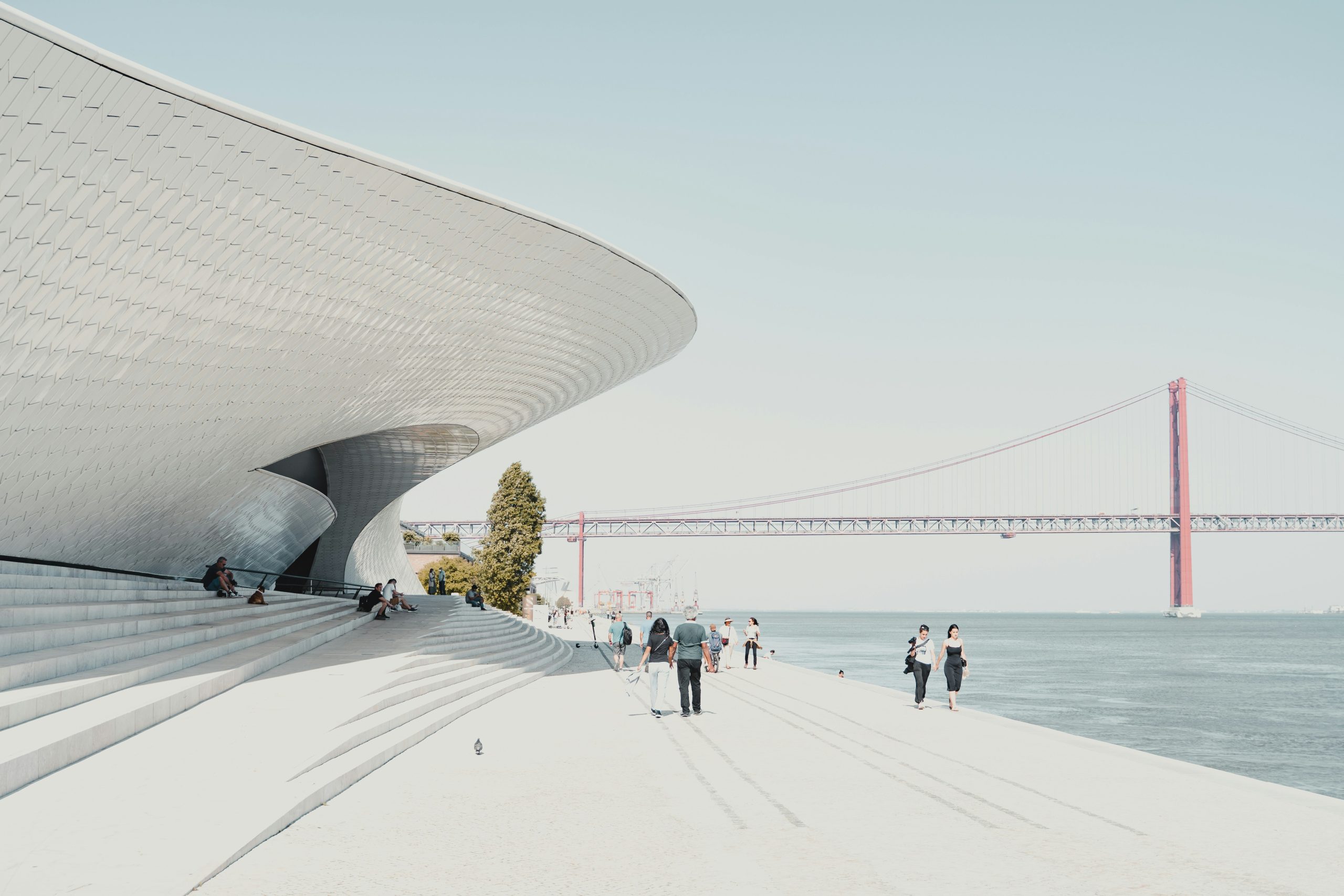
- MAAT – Striking riverside museum focusing on art, architecture, and technology.
Local Gems
- Miradouros (Viewpoints) – Scenic viewpoints such as Santa Catarina, Graça, and Senhora do Monte.
- LX Factory – Creative hub of cafés, street art, shops, and events under a former industrial complex.
- Time Out Market – Popular food hall with affordable Portuguese and international dishes.
- Tram 28 – Classic tram route passing through Lisbon’s most historic neighbourhoods.
- Feira da Ladra – Traditional flea market in Alfama, great for vintage finds.
- Bairro Alto Nightlife – More than pubs, it’s a key student area for cheap drinks and live music.
- Calouste Gulbenkian Museum – Outstanding art collection often overlooked by visitors.
- Costa da Caparica – Easy beach day trip popular with students and surfers.
Pre-departure Essentials
Documents & Visas: EU/EEA students do not need a visa. Non-EU students usually require a Type D long-stay student visa.
Health Insurance: EU students can use EHIC. Non-EU students need private insurance; some residents can register with SNS.
Banking: Major banks include Caixa Geral, Millennium BCP, and Novo Banco. Online banks like Revolut and N26 are common.
SIM Cards: Vodafone, MEO, and NOS offer plans from €10–€20/month.
Post-arrival Essentials
Registration: Students staying over three months must register locally. Non-EU students need a residence permit from AIMA.
Banking & SIM: Open a Portuguese bank account and arrange a SIM if needed.
Health & Safety: Emergency number is 112. Local health centres are the first point of care.
Shopping: Pingo Doce, Continente, Lidl, and Minipreço are main supermarkets.
Apps: Moovit, Carris Metropolitana, Bolt/Uber, Glovo, OLX, MB Way, and Gira.