


Hamburg (Germany)
Destination Overview
Hamburg, Germany’s second-largest city, is a major port and cultural hub in northern Europe. Known for its canals, maritime history, and legendary nightlife, the city combines tradition with a modern, international outlook. With institutions such as the University of Hamburg and HafenCity University, Hamburg has a large student and international population. While living costs are higher than in many German cities, Hamburg offers strong cultural life, good career opportunities, and a vibrant social scene.
Quick Facts, Hamburg

Climate
Hamburg has a mild but often rainy climate, with cool winters and moderate summers. Rain is common year-round.

Cost of Living
Living costs are above the German average but lower than Munich. Shared rooms usually cost €400–€650, with weekly groceries around €30–€50.

Lifestyle
Maritime, creative, and international, with strong nightlife and waterside living.

Vibe
Alternative and open-minded, blending port-city grit with modern culture and music.

Safety
Generally safe, with low violent crime. Pickpocketing can occur in nightlife areas.

Transport
Excellent public transport, including trains, buses, and ferries included in the city pass.
Areas & Neighbourhoods
1. St. Pauli
▲One of Hamburg’s most famous districts, known for the Reeperbahn nightlife, live music venues, and alternative culture. Extremely social and popular with students and creatives, though noisy and busy at night.
2. Sternschanze (Schanzenviertel)
▼3. Altona (Ottensen)
▼4. Eimsbüttel
▼5/6. Harvestehude / Rotherbaum
▼7. HafenCity
▼8. Wilhelmsburg
▼Transport
Within Hamburg

S-Bahn & U-Bahn:

Buses

Ferries

Cycling / E-scooters
Domestic & International

Bus

Airport

Train
Culture & Lifestyle

Cost of Living: Shared accommodation €400–€650 per month, studios €700–€1,000. Meals €10–€14, coffee around €3, beer €3–€4. Weekly groceries €30–€50.
Climate: Mild but rainy climate, with winters around 0–7°C and summers 20–25°C.
Culture: Strong maritime identity, world-class music and theatre scene, and landmarks such as the Elbphilharmonie. Musicals and live music are central to city life.
Social & Nightlife: Nightlife centres around St. Pauli and Sternschanze, with bars, clubs, live music venues, and student pubs.
Lifestyle: International, creative, and social, with waterfront walks, parks, and a strong work-life balance.
Inclusivity & Safety
LGBTQ+ Community
Hamburg is very welcoming, with a visible LGBTQ+ scene, Pride celebrations, and inclusive nightlife, particularly around St. Pauli and St. Georg.






Top Attractions & Local Experiences

Must-Sees
- Elbphilharmonie – Iconic concert hall
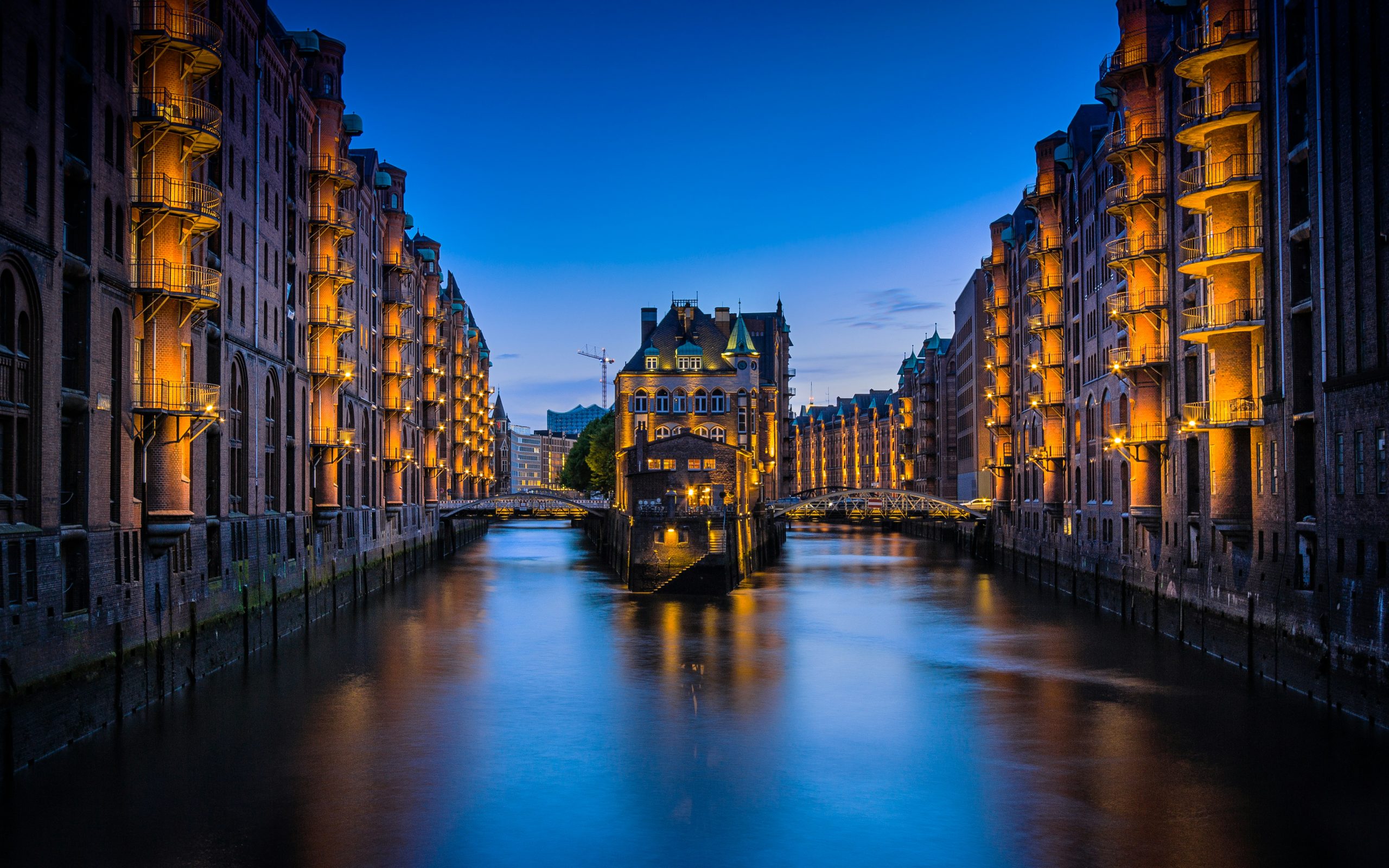
- Speicherstadt – UNESCO-listed warehouse district
- Miniatur Wunderland – World-famous model railway
- Hamburg Harbour & Landungsbrücken – Waterfront area
- Rathaus (Town Hall) – Historic city centre landmark
- Planten un Blomen – Central park and gardens
Local Gems
- Fish Market – Famous Sunday market
- Schanzenviertel cafés & street art – Student hangouts
- Karoviertel – Independent shops and nightlife
- HafenCity architecture – Modern waterfront design
- Day trips – Lübeck or the North Sea coast

Pre-departure Essentials
Documents & Visas: EU/EEA students do not need a visa. Non-EU students must apply for a German student visa before arrival.
Health Insurance: Mandatory. EU students can use EHIC; non-EU students must arrange German public or private health insurance.
Banking: Common banks include Deutsche Bank, Commerzbank, Sparkasse, and N26.
SIM Cards: Telekom, Vodafone, O2, and Aldi Talk offer plans from around €10–€20 per month.
Post-arrival Essentials
Registration: All residents must register their address (Anmeldung) at the Bürgeramt. Non-EU students must also apply for a residence permit.
Banking & SIM: Open a German bank account if required and activate a local SIM card.
Health & Safety: Emergency services are accessed via 112. Pharmacies are widespread.
Shopping: Main supermarkets include Rewe, Edeka, Lidl, Aldi, and Penny. Local markets are also popular.
Apps: Useful apps include HVV (transport), Lieferando (food delivery), Too Good To Go (discount food), WG-Gesucht (housing), and mobile payment apps.