


Munich (Germany)
Destination Overview
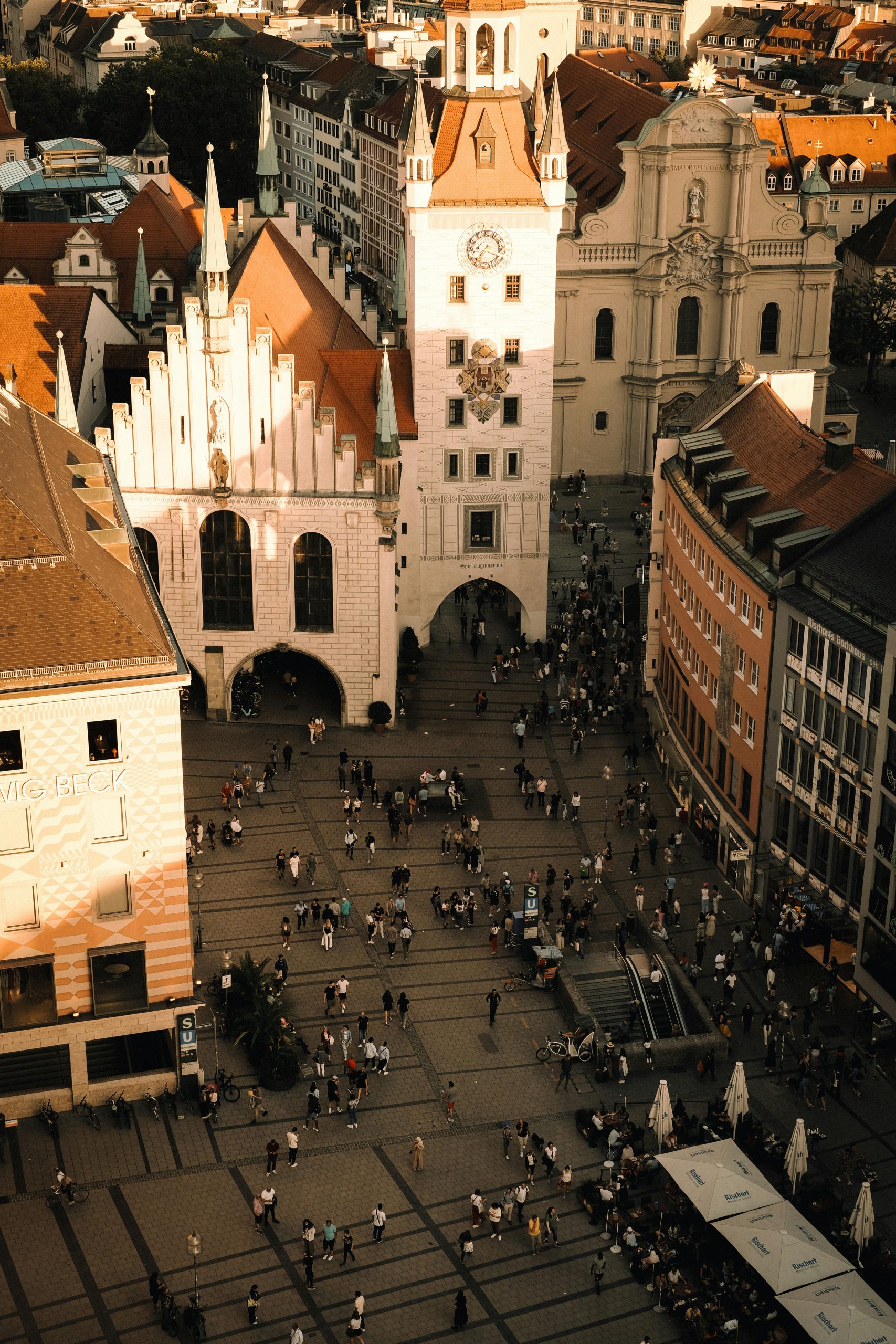
Munich, the capital of Bavaria, is one of Germany’s most prosperous and liveable cities. Known for its blend of historic tradition and modern innovation, it offers world-class universities, a strong international student community, and a vibrant cultural scene. While living costs are high, Munich consistently ranks highly for quality of life, thanks to efficient transport, green spaces, safety, and proximity to the Alps.
Quick Facts, Munich

Climate
Munich has cold winters with possible snow and warm summers. Spring and autumn are the most comfortable seasons.

Cost of Living
One of Germany’s most expensive cities. Shared rooms typically cost €600–€800, with weekly groceries around €50–€70.

Lifestyle
High quality of life, outdoorsy, and social, with beer gardens, parks, and easy access to the Alps.

Vibe
Clean, organised, and international, blending Bavarian tradition with modern student and professional life.

Safety
Very safe overall, with low violent crime. Pickpocketing can occur at festivals and tourist hotspots.

Transport
Excellent public transport, including U-Bahn, S-Bahn, trams, buses, and strong national and international rail links.
Areas & Neighbourhoods
1. Altstadt-Lehel
▲Munich’s historic centre, home to major landmarks, shopping streets, and cafés. Beautiful and lively but very expensive and tourist-heavy, making it less practical for most students long term.
2. Maxvorstadt
▼3. Schwabing
▼4. Glockenbachviertel
▼5. Haidhausen
▼6/7. Sendling & Westend
▼8/9. Olympiapark / Milbertshofen-Am Hart
▼Transport
Within Munich

U-Bahn & S-Bahn:

Trams & Buses:

Cycling / E-scooters
Domestic & International

Bus

Airport

Train
Culture & Lifestyle
Cost of Living: Shared accommodation €600–€800 per month, studios €1,000+. Eating out: lunch €8–€12, beer €4–€5, coffee around €3. Weekly groceries €50–€70.
Climate: Cold winters (0–5°C) with possible snow, warm summers (25–30°C).
Culture: Strong Bavarian traditions combined with a modern cultural scene. Museums, theatres, music venues, Oktoberfest, and Christmas markets shape the calendar.
Social & Nightlife: Social life centres around beer gardens, student bars in Schwabing, and clubs in Glockenbachviertel. More relaxed than Berlin, but still vibrant.
Lifestyle: Active and outdoors-oriented, with parks, lakes, cycling routes, and the Alps easily accessible.
Inclusivity & Safety
LGBTQ+ Community
Munich is welcoming and inclusive, with Glockenbachviertel as the city’s LGBTQ+ hub. Pride events, student groups, and inclusive venues are well established.

Top Attractions & Local Experiences
Must-Sees
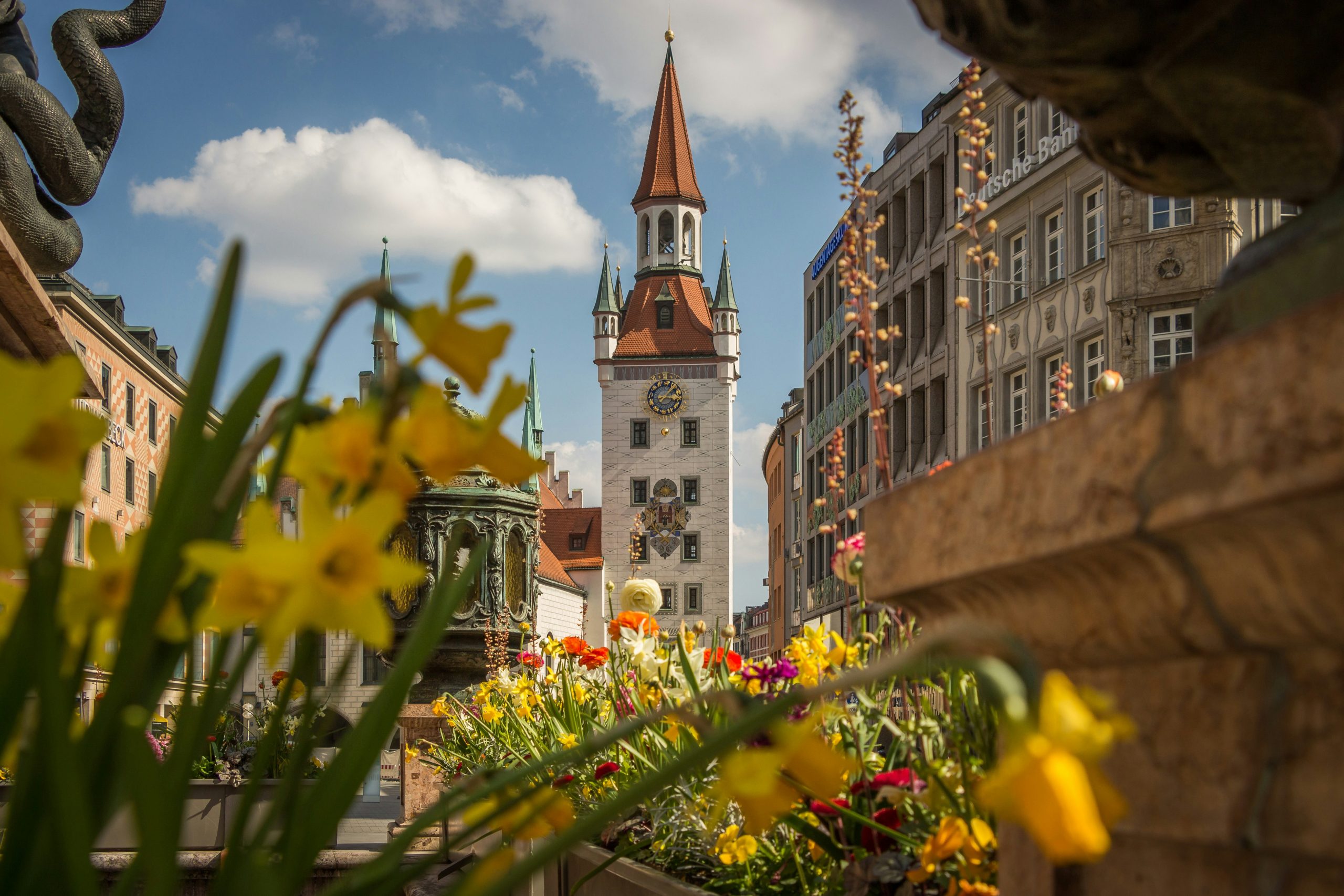
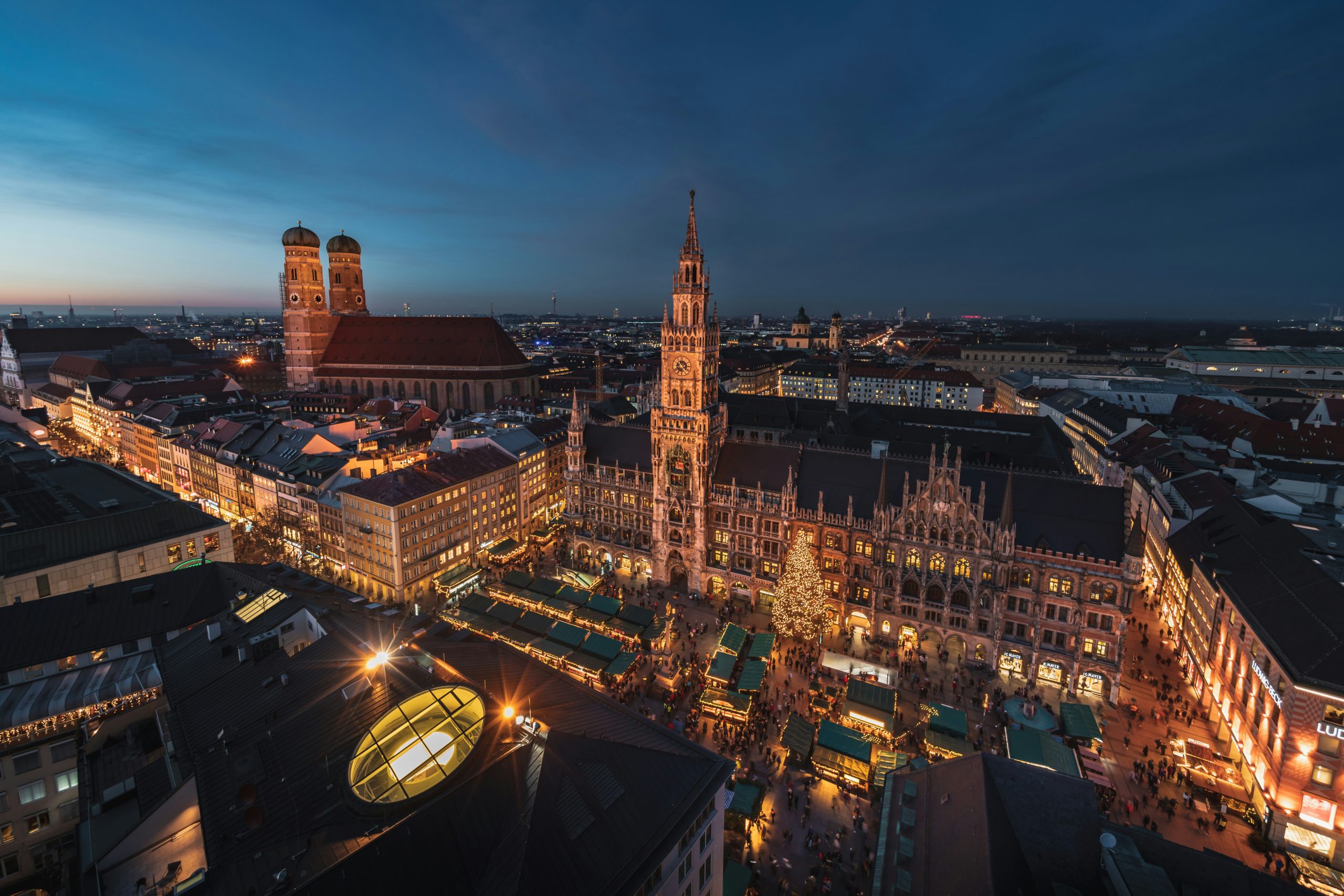
- Marienplatz & Neues Rathaus – Central square and city symbol
- Frauenkirche – Iconic twin-towered cathedral
- English Garden – One of Europe’s largest urban parks
- Residenz – Former royal palace and museums
- Deutsches Museum – World-leading science and technology museum
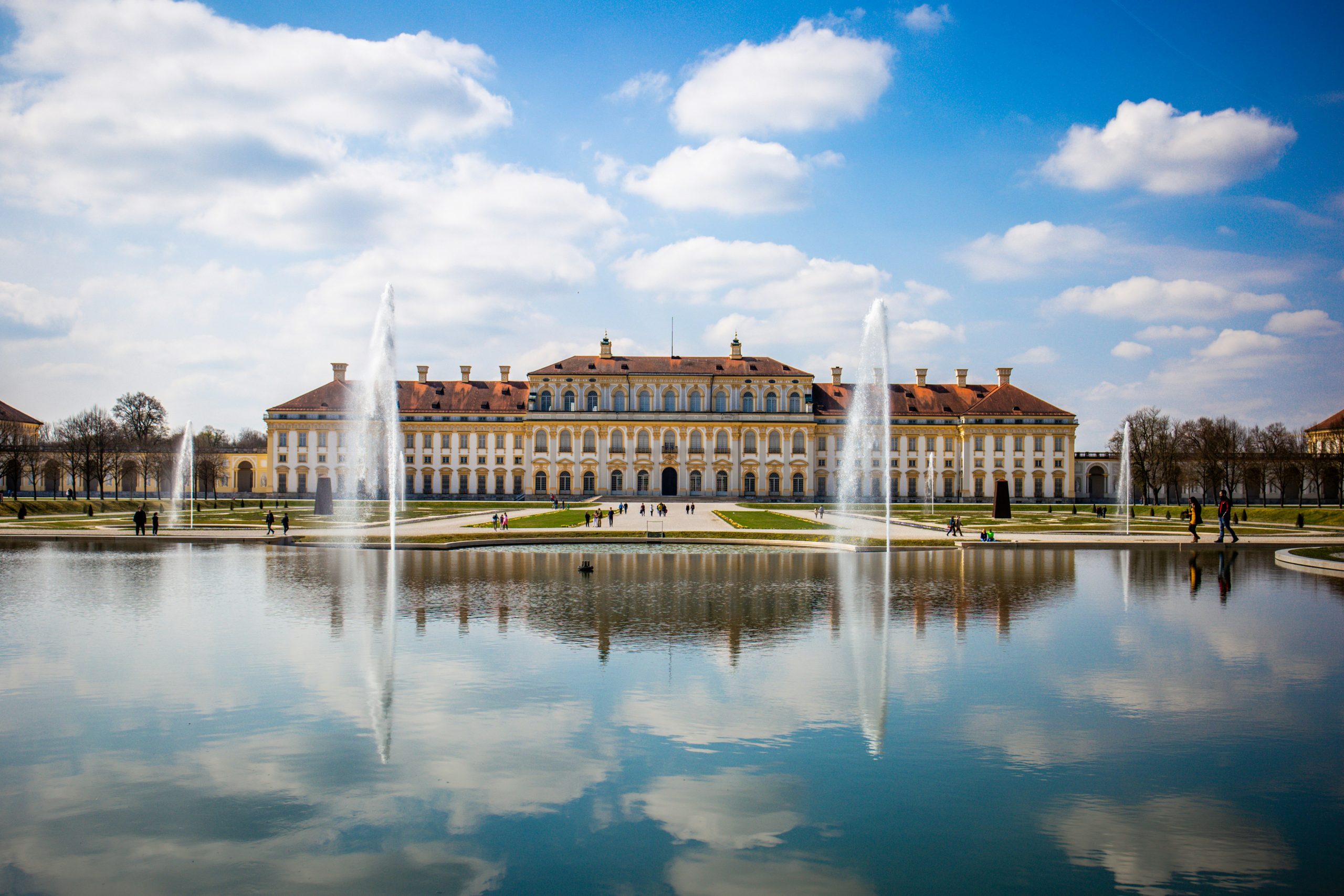
- Nymphenburg Palace – Baroque palace and gardens
Local Gems
- Gärtnerplatzviertel – Trendy cafés, bars, and nightlife
- Eisbach surfing – Iconic river surfing in the English Garden
- Traditional beer halls – Classic Bavarian social experience
- Olympiapark – Green space, concerts, and views
- Day trips – Alps, Salzburg, and Neuschwanstein Castle
Pre-departure Essentials
Documents & Visas: EU/EEA students do not need a visa. Non-EU students require a German student visa and should apply early with university documents.
Health Insurance: Mandatory for all students. EU students can use EHIC; non-EU students must arrange German student health insurance.
Banking: Common banks include Deutsche Bank, Commerzbank, and Sparkasse. Online banks such as N26 and Revolut are popular.
SIM Cards: Telekom, Vodafone, and O2 offer plans from around €10–€20 per month.
Post-arrival Essentials
Registration: All students must register their address (Anmeldung) at the Bürgerbüro within 14 days. Non-EU students must also apply for a residence permit.
Banking & SIM: Open a German bank account if required and activate a local SIM card.
Health & Safety: Register with statutory student health insurance if applicable. Emergency services are accessed via 112.
Shopping: Main supermarkets include Aldi, Lidl, Rewe, and Edeka. Most shops are closed on Sundays.
Apps: Useful apps include MVV (transport), Lieferando (food delivery), Kleinanzeigen (second-hand items), and mobile payment apps.