


Turin (Italy)
Destination Overview
Turin (Torino), in Italy’s Piedmont region, is a refined and historic city known for its baroque architecture, grand cafés, and proximity to the Alps. Home to major institutions such as the University of Turin and the Polytechnic University of Turin, the city attracts a large student population each year. Turin offers a strong cultural scene, affordable living compared to Milan, and a relaxed yet lively student atmosphere, making it an appealing destination for a year abroad.
Quick Facts, Turin

Climate
Turin has cold winters and hot summers. Spring and autumn are the most comfortable seasons, with crisp air and fewer extremes.

Cost of Living
Living costs are lower than Milan. Shared rooms usually cost €350–€500, with weekly groceries around €30–€50.

Lifestyle
Cultural, relaxed, and student-friendly, with strong café and aperitivo culture.

Vibe
Elegant and intellectual, blending historic charm with a youthful student energy.

Safety
Generally safe, with low violent crime. Some outer areas require caution late at night.

Transport
Well connected by metro, trams, buses, and high-speed trains, with easy access to France and the Alps.
Areas & Neighbourhoods
1. Centro Storico
▲The historic heart of Turin, filled with elegant piazzas, shopping streets, museums, and cafés. Lively and walkable, but more expensive than student-heavy districts. Popular with young professionals and some students.
2. San Salvario
▼3. Vanchiglia
▼4. Aurora
▼5. Crocetta
▼6. San Donato
▼Transport
Within Turin

Metro

Buses / Trams
Cycling / E-scooters
Domestic & International

Bus

Airport

Train
Culture & Lifestyle
Cost of Living: Shared accommodation costs €350–€500 per month, with studios €600–€800. Meals €10–€15, coffee around €1.20, aperitivo €8–€12. Weekly groceries average €30–€50.
Climate: Cold winters (0–7°C), hot summers (28–34°C), with possible snow in winter due to Alpine proximity.
Culture: Renowned for cinema, museums, baroque architecture, and its industrial heritage as the birthplace of Fiat. Turin is also famous for chocolate and café culture.
Social & Nightlife: Nightlife centres around San Salvario and Vanchiglia, with bars, clubs, and aperitivo spots popular with students.
Lifestyle: Affordable, cultural, and student-oriented, offering a balanced mix of tradition, green spaces, and modern city life.
Inclusivity & Safety
LGBTQ+ Community
Turin has a welcoming and visible LGBTQ+ community, with Pride events, inclusive bars and venues, and active student-led groups at the universities. While more low-key than cities like Milan, attitudes are generally open and supportive, especially in student and central areas.


Top Attractions & Local Experiences
Must-Sees
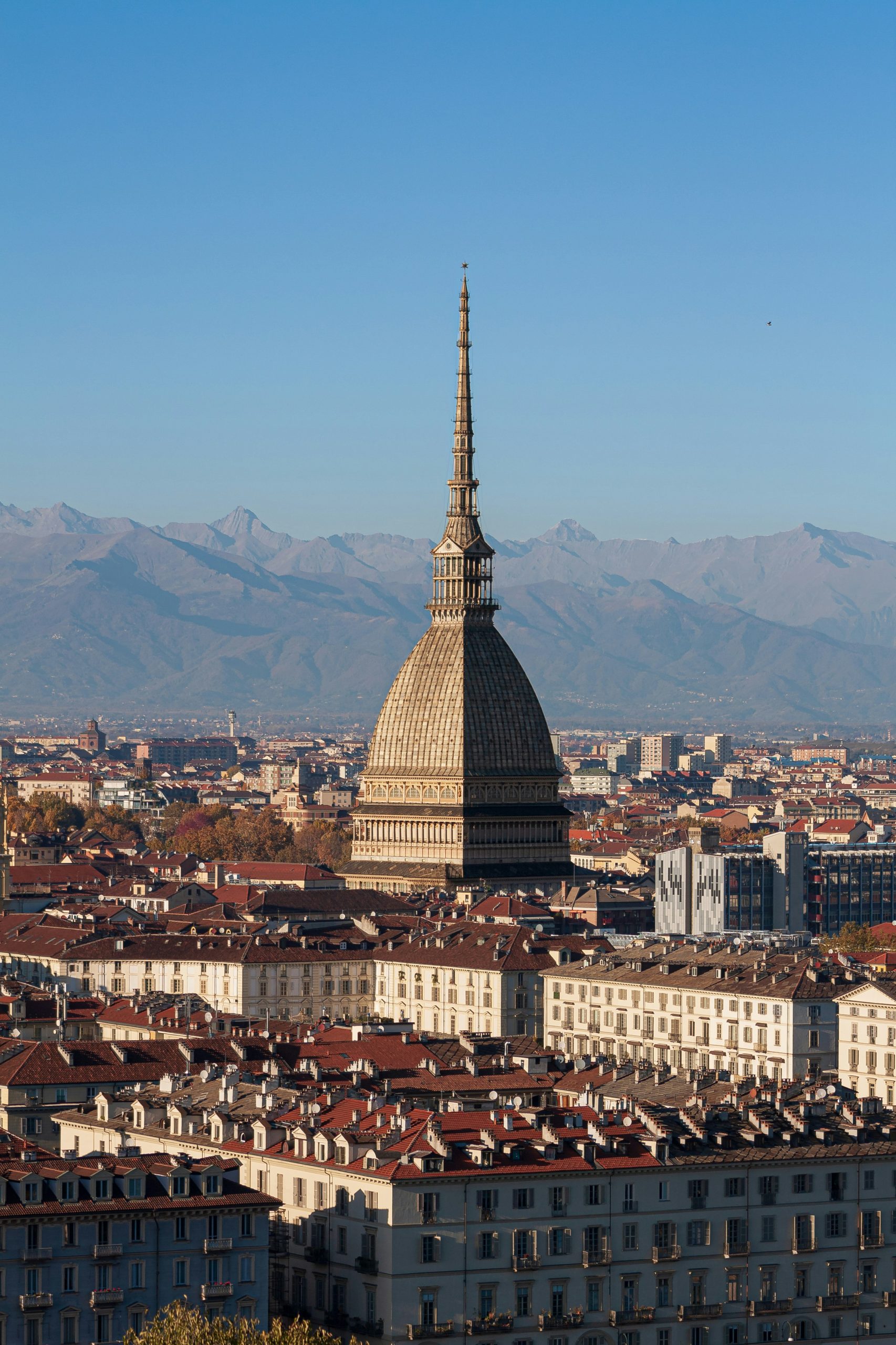
- Mole Antonelliana & National Cinema Museum – Turin’s iconic landmark
- Egyptian Museum – One of the world’s most important Egyptian collections
- Piazza Castello & Royal Palace – Historic heart of the city
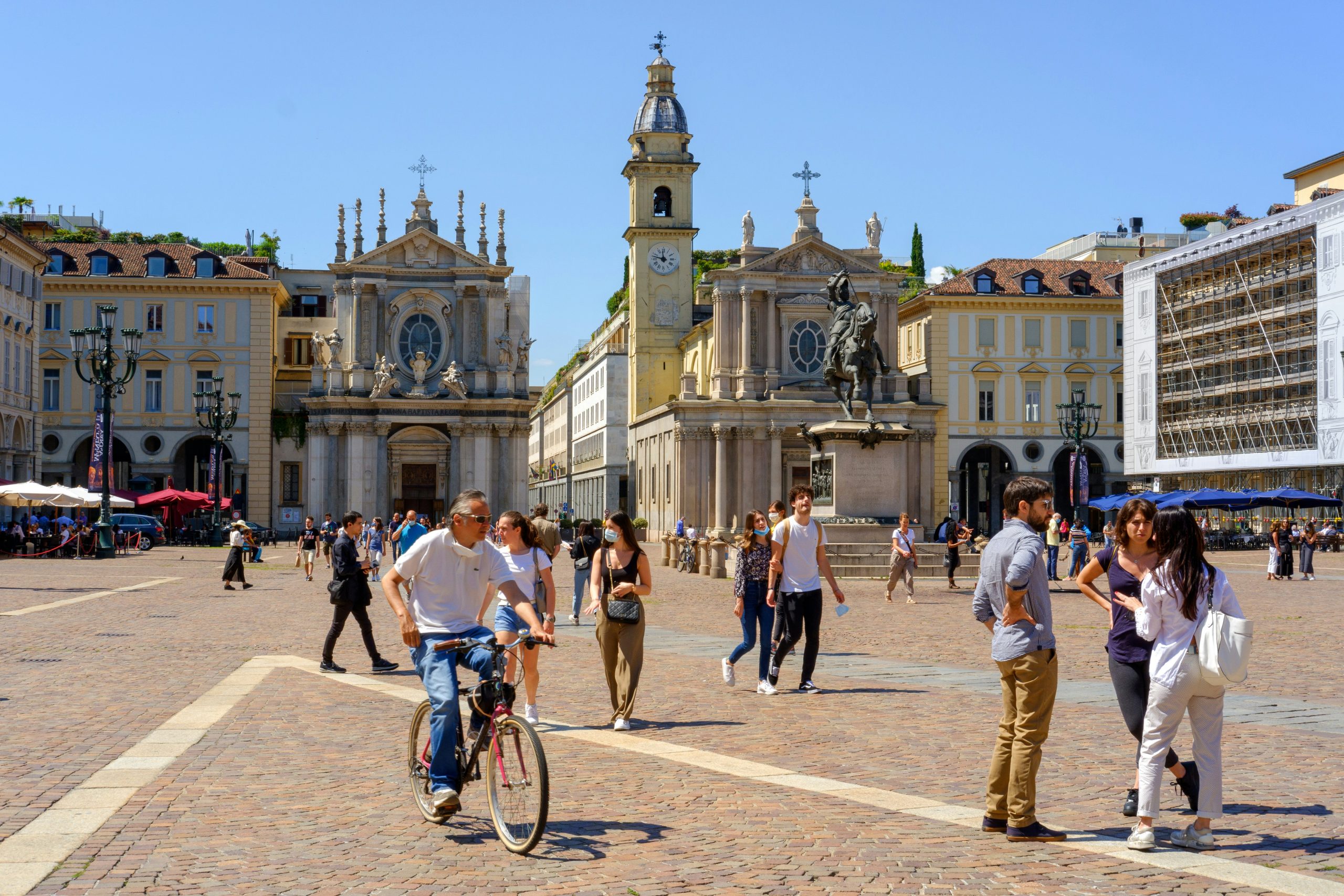
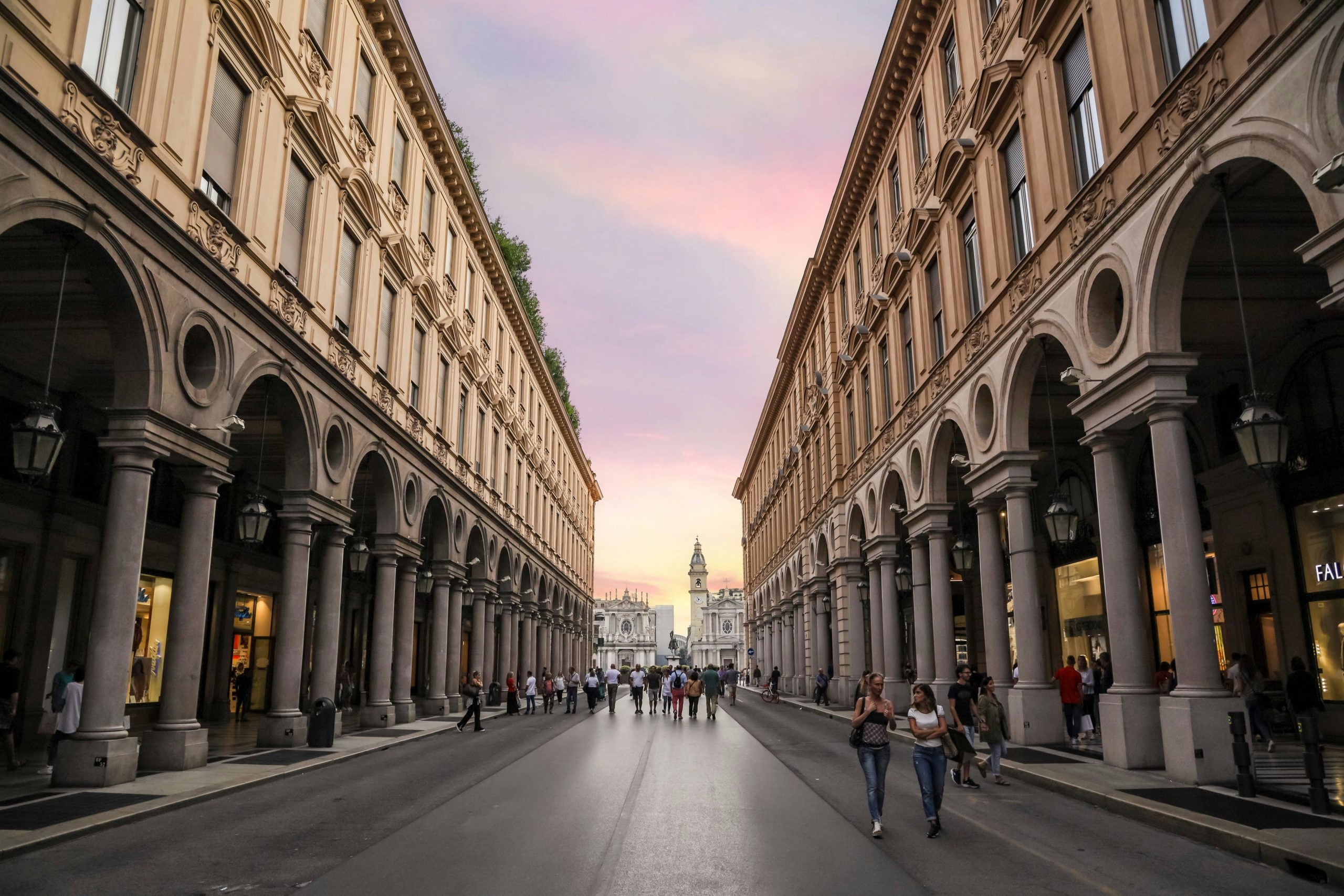
- Via Roma & Piazza San Carlo – Elegant shopping and café streets
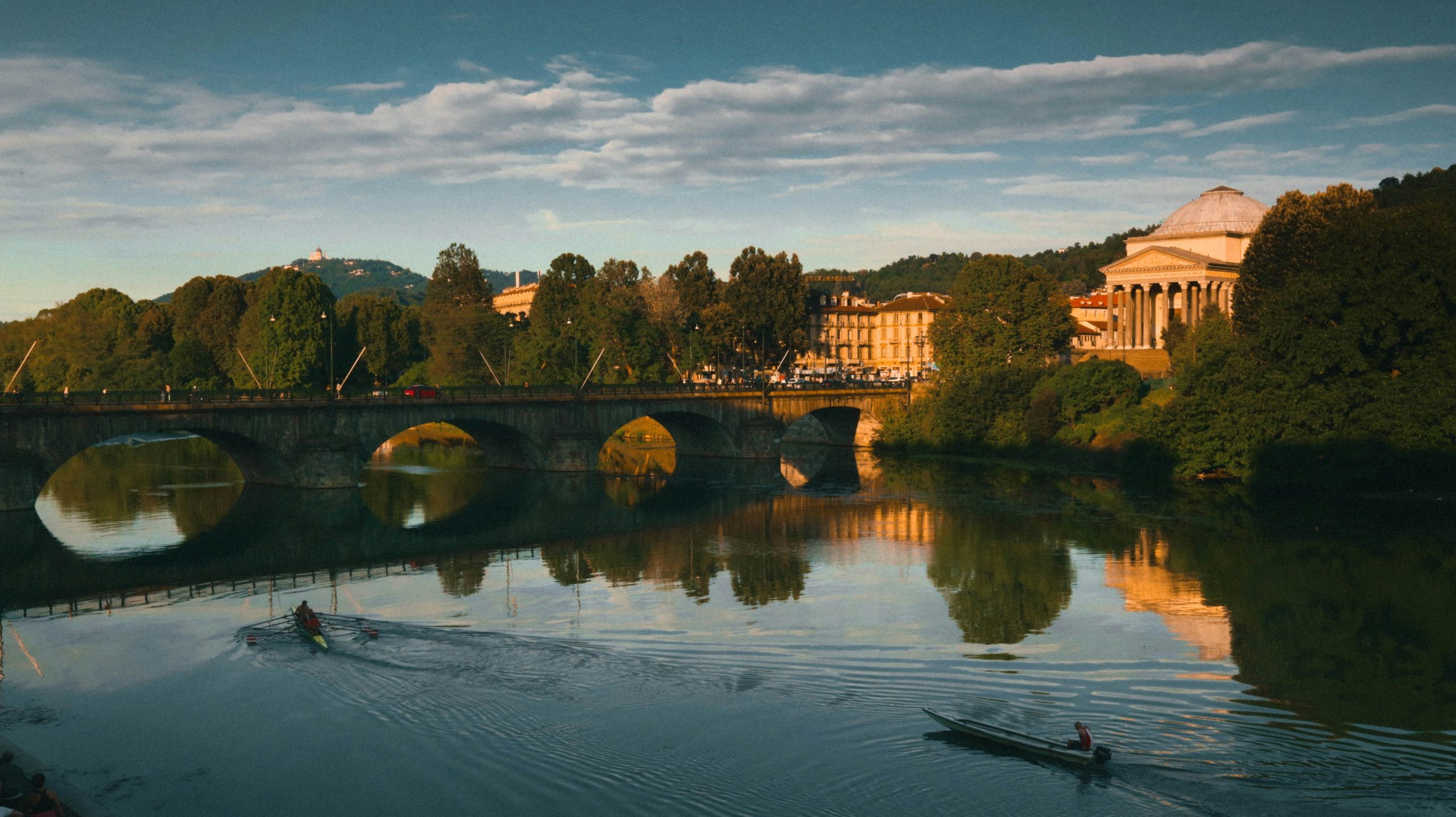
- Valentino Park & Medieval Village – Green space along the Po River
Local Gems
- San Salvario aperitivo scene – Core student nightlife
- Murazzi del Po – Riverside bars and summer nightlife
- Historic cafés – Try bicerin, Turin’s traditional coffee and chocolate drink
- Local chocolate shops & gelaterias – A city specialty
- Day trips – Alps, Langhe wine region, or Milan
Pre-departure Essentials
Documents & Visas: EU/EEA students do not need a visa. Non-EU students must apply for an Italian student visa before arrival.
Health Insurance: EU students can use a valid EHIC. Non-EU students must arrange Italian public health coverage or private insurance.
Banking: Major banks include Intesa Sanpaolo, UniCredit, and Banca Sella. Online banks such as Revolut and N26 are widely used.
SIM Cards: TIM, Vodafone, WindTre, and Iliad offer plans from around €10–€20 per month.
Post-arrival Essentials
Registration: Non-EU students must apply for a residence permit after arrival. EU students should register at the local comune if staying longer than three months.
Banking & SIM: Open an Italian bank account if required and purchase a local SIM card.
Health & Safety: Emergency services are accessed via 112. Pharmacies are common throughout the city.
Shopping: Main supermarkets include Coop, Conad, Carrefour, Lidl, and local markets.
Apps: Useful apps include Moovit (transport), GTT (local tickets), Deliveroo or Glovo (food delivery), and Too Good To Go (discount food).