


Rome (Italy)
Destination Overview
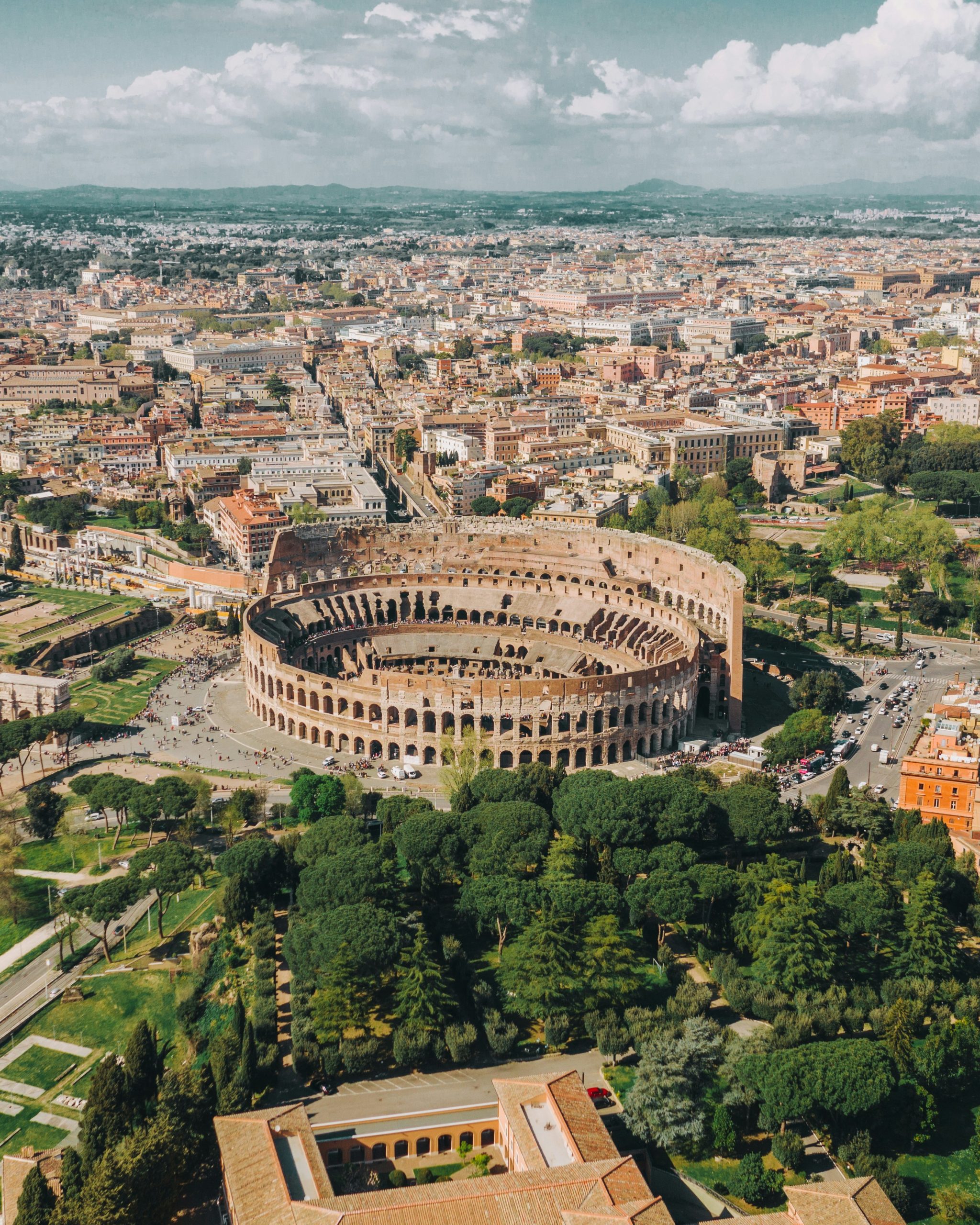
Rome, Italy’s capital, is a city where ancient history meets vibrant modern life. Known as the “Eternal City,” it’s home to world-famous landmarks, lively piazzas, and a large student population. With several major universities, including La Sapienza, Rome is a major hub for international students. While the cost of living is higher than in many Italian cities, Rome offers an unmatched cultural, academic, and social experience.
Quick Facts, Rome

Climate
Rome has a Mediterranean climate, with hot summers and mild winters. Spring and autumn are the most pleasant seasons for exploring the city.

Cost of Living
Living costs are higher than in southern Italy but manageable for students. Shared rooms typically cost €400–€650, with weekly groceries averaging €35–€55.

Lifestyle
Life in Rome revolves around food, cafés, and socialising in piazzas. The pace is relaxed, with long evenings and a strong culture of al fresco dining.

Vibe
Historic, social, and energetic. Rome blends ancient landmarks with a large international student population and vibrant nightlife.

Safety
Rome generally feels safe, with very low violent crime. Pickpocketing can occur in busy tourist areas and on public transport.

Transport
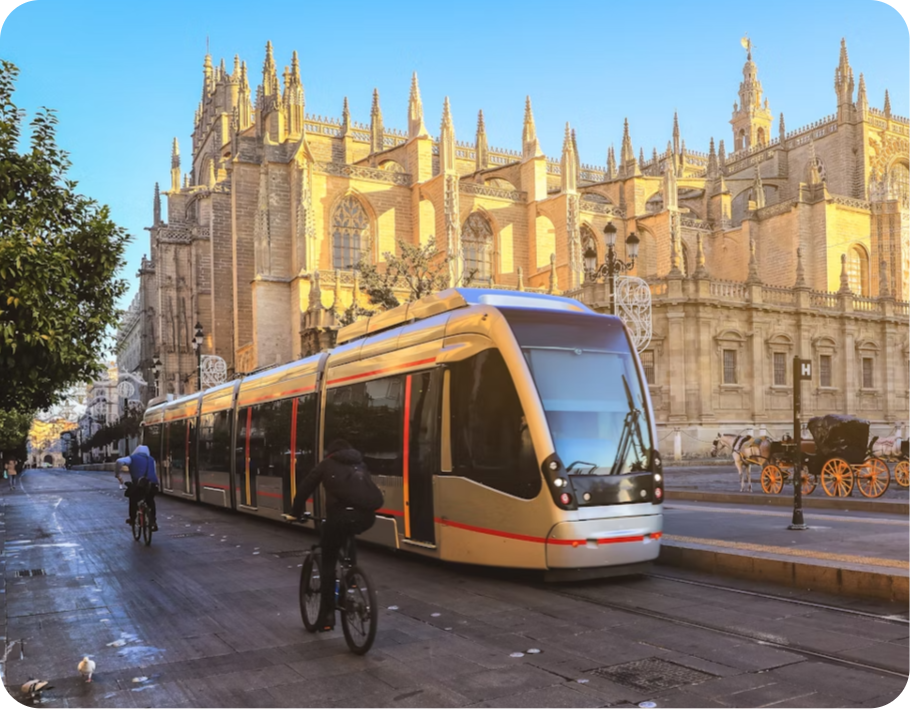
Rome has metro, bus, and tram networks, plus excellent national rail links and two international airports.
Areas & Neighbourhoods
1. Centro Storico
▲The historic heart of Rome, home to landmarks such as the Pantheon, Piazza Navona, and Campo de’ Fiori. Extremely lively and atmospheric, but housing is limited and expensive, making it more suitable for short-term stays.
2. Trastevere
▼3. San Lorenzo
▼4. Testaccio
▼5. Monti
▼6. Prati
▼7. Garbatella
▼8. Pigneto
▼9. Ostiense
▼Transport
Within Rome

Metro

Buses / Trams

Cycling / Scooters
Domestic & International

Bus

Airport

Train
Culture & Lifestyle
Cost of Living: Shared rooms typically cost €400–€650 per month, with studios ranging from €800–€1,000. Eating out is affordable: pizza €6–€10, coffee €1–€1.50. Weekly groceries average €35–€55.
Climate: Mediterranean climate with hot summers (30–35°C) and mild winters (8–15°C). Spring and autumn are the most comfortable seasons.
Culture: Rome offers an unmatched mix of ancient history, religious heritage, and contemporary culture. Museums, theatres, festivals, and food traditions keep the city culturally active year-round.
Social & Nightlife: Student nightlife centres around San Lorenzo and Trastevere, with bars, clubs, and late-night socialising. Piazzas and cafés are central to daily social life.
Lifestyle: Relaxed and sociable, with a strong emphasis on food, conversation, and spending time outdoors.
Inclusivity & Safety
LGBTQ+ Community
Rome has an open and growing LGBTQ+ scene, with dedicated bars, clubs, and Pride celebrations. While more traditional than some European capitals, it is generally welcoming.





Top Attractions & Local Experiences

Must-Sees
- Colosseum – Iconic Roman amphitheatre
- Roman Forum & Palatine Hill – Ancient political centre
- Vatican City – St Peter’s Basilica, Sistine Chapel, and museums
- Pantheon – Ancient temple with impressive dome
- Trevi Fountain – Famous baroque fountain
- Piazza Navona – Elegant square with cafés
- Spanish Steps – Iconic staircase and meeting spot
Local Gems
- Trastevere backstreets – Authentic nightlife and trattorias
- Campo de’ Fiori market – Fresh produce and local atmosphere
- Testaccio food scene – Traditional Roman cuisine
- Garbatella – Community-focused residential district
- Villa Borghese – Green space, museums, and views


Pre-departure Essentials
Documents & Visas: EU/EEA students do not need a visa. Non-EU students usually require a student visa arranged before arrival. Non-EU young professionals typically need a work visa organised by their employer.
Health Insurance: EU students can use a valid EHIC. Non-EU students must arrange private or Italian health insurance covering the full stay.
Banking: Major banks include UniCredit, Intesa Sanpaolo, and BNL. Online banks such as Revolut and N26 are widely used, though an Italian account may be required for rent or contracts.
SIM Cards: TIM, Vodafone, WindTre, and Iliad offer plans starting from around €10–€20 per month.
Post-arrival Essentials
Registration: Non-EU students must apply for a residence permit (Permesso di Soggiorno) within eight days of arrival. EU students should register residency at the local town hall if staying long term.
Banking & SIM: Open an Italian bank account and purchase a local SIM card if not arranged before arrival.
Health & Safety: Long-term residents can register with the Italian National Health Service (SSN). Emergency services are accessed via 112, and pharmacies are widespread.
Shopping: Major supermarkets include Coop, Conad, Carrefour, and Lidl. Street markets are common for fresh produce.
Apps: Useful apps include Moovit (transport), MyCicero (tickets), Glovo or Deliveroo (food delivery), Subito (second-hand items), and Satispay (mobile payments).