


Lille (France)
Destination Overview
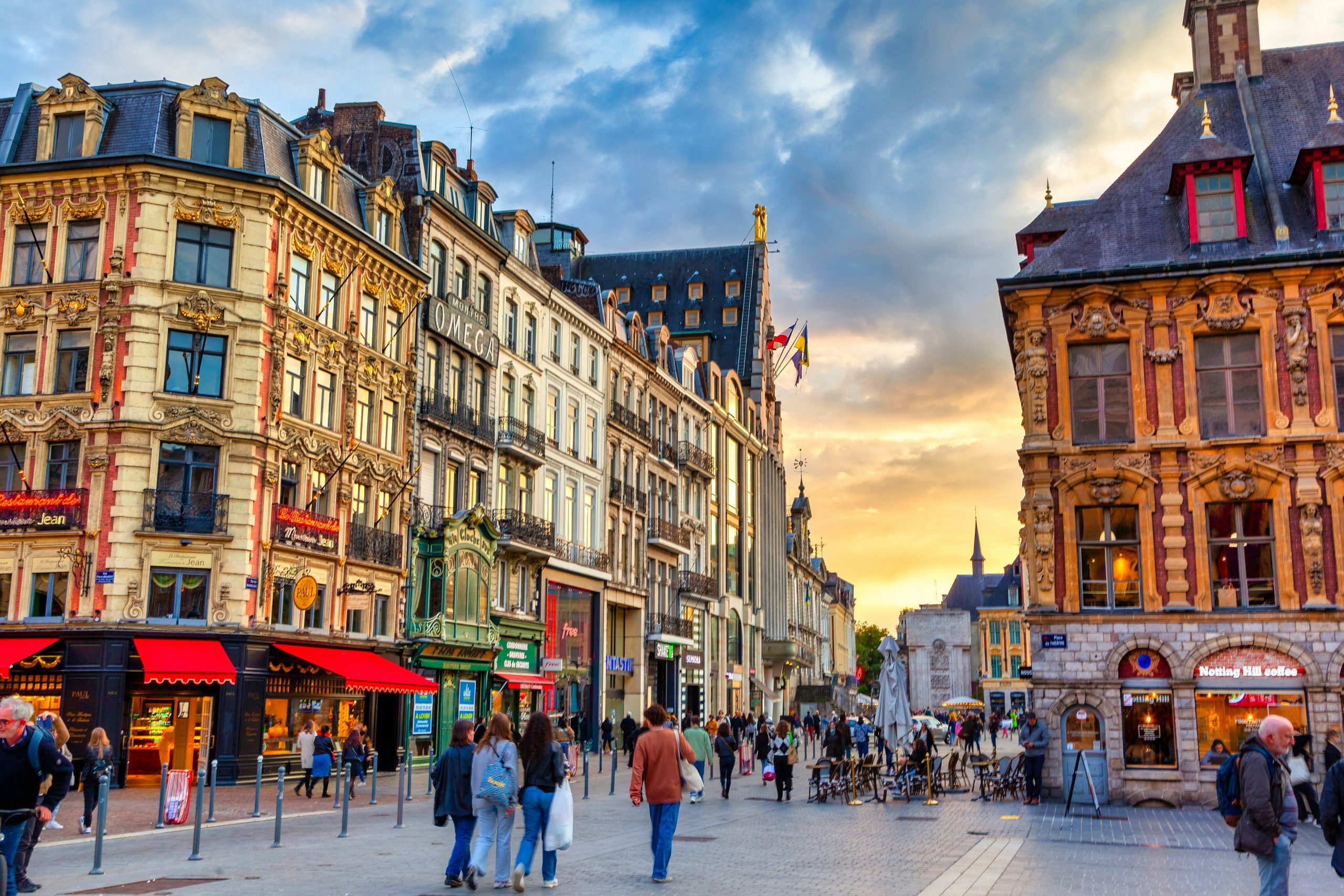
Lille, in northern France near the Belgian border, is one of the country’s major student hubs and cultural centres. Known for its Flemish-influenced architecture, lively old town, and affordable lifestyle, the city is home to institutions such as the University of Lille, Sciences Po Lille, and EDHEC Business School. With over 100,000 students and fast connections to major European cities, Lille offers a vibrant, international student experience without the high costs of Paris.
Quick Facts, Lille

Climate
Oceanic climate with cool winters, mild summers, and regular rainfall throughout the year.

Cost of Living
Affordable compared to Paris and Lyon, with student-friendly rent and food prices.

Lifestyle
Lively, social, and student-driven, with strong café culture and frequent cultural events.

Vibe
Young, international, and welcoming, with a strong university presence and European feel.

Safety
Generally safe and compact, with normal precautions needed in busy nightlife and transport areas.

Transport
Excellent public transport and high-speed rail links to Paris, Brussels, and London.
Areas & Neighbourhoods
1. Vieux-Lille
▲The historic and most picturesque part of the city, filled with cobbled streets, cafés, boutiques, and nightlife. Very central and atmospheric, but also the most expensive area. Popular for socialising rather than long-term student living.
2. Wazemmes
▼3. Vauban–Esquermes
▼4. Euralille
▼5. Saint-Maurice Pellevoisin
▼6. Fives
▼7. Moulins
▼Transport
Within Lille

Metro

Buses

Trams

Cycling
Domestic & International

Bus

Airport

Train
Culture & Lifestyle
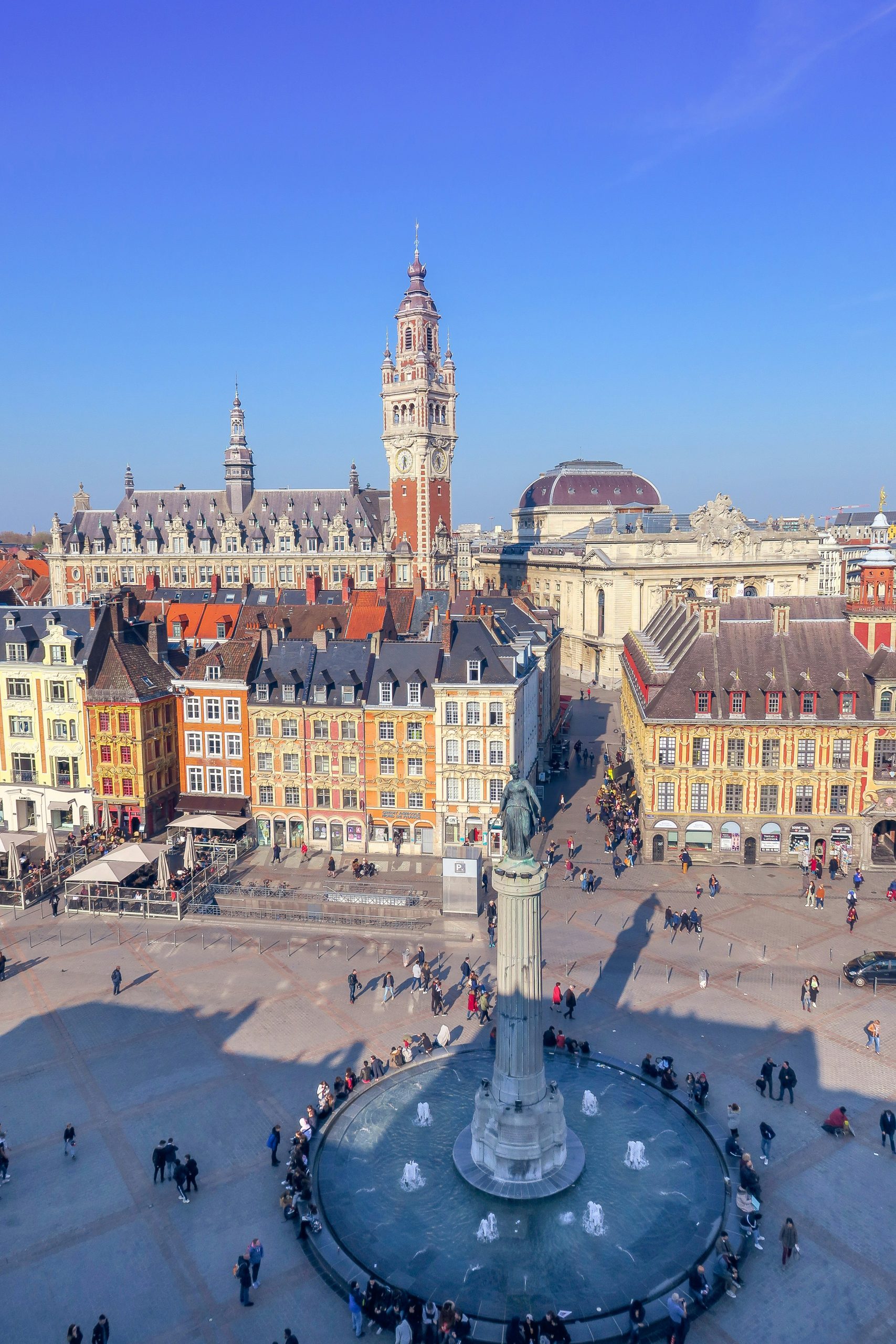
Cost of Living: Shared flats €350–€550/month, studios €600–€800. Meals €10–14, coffee €2–3, beer €3–5. Groceries €30–50/week.
Climate: Cool winters (2–8°C) and mild summers (22–27°C), with frequent rain throughout the year.
Culture: A blend of French and Flemish influences, with strong traditions, museums, markets, and festivals like the Braderie de Lille.
Social & Nightlife: Very student-oriented nightlife, especially in Wazemmes, Vauban, and Vieux-Lille. Bars, live music venues, and late-night cafés are common.
Lifestyle: Energetic, social, and international, with a strong sense of community and easy weekend travel across Europe.
Inclusivity & Safety
LGBTQ+ Community
Welcoming and visible, with LGBTQ+ bars, events, and an annual Pride celebration. Student spaces are generally inclusive and open.





Top Attractions & Local Experiences
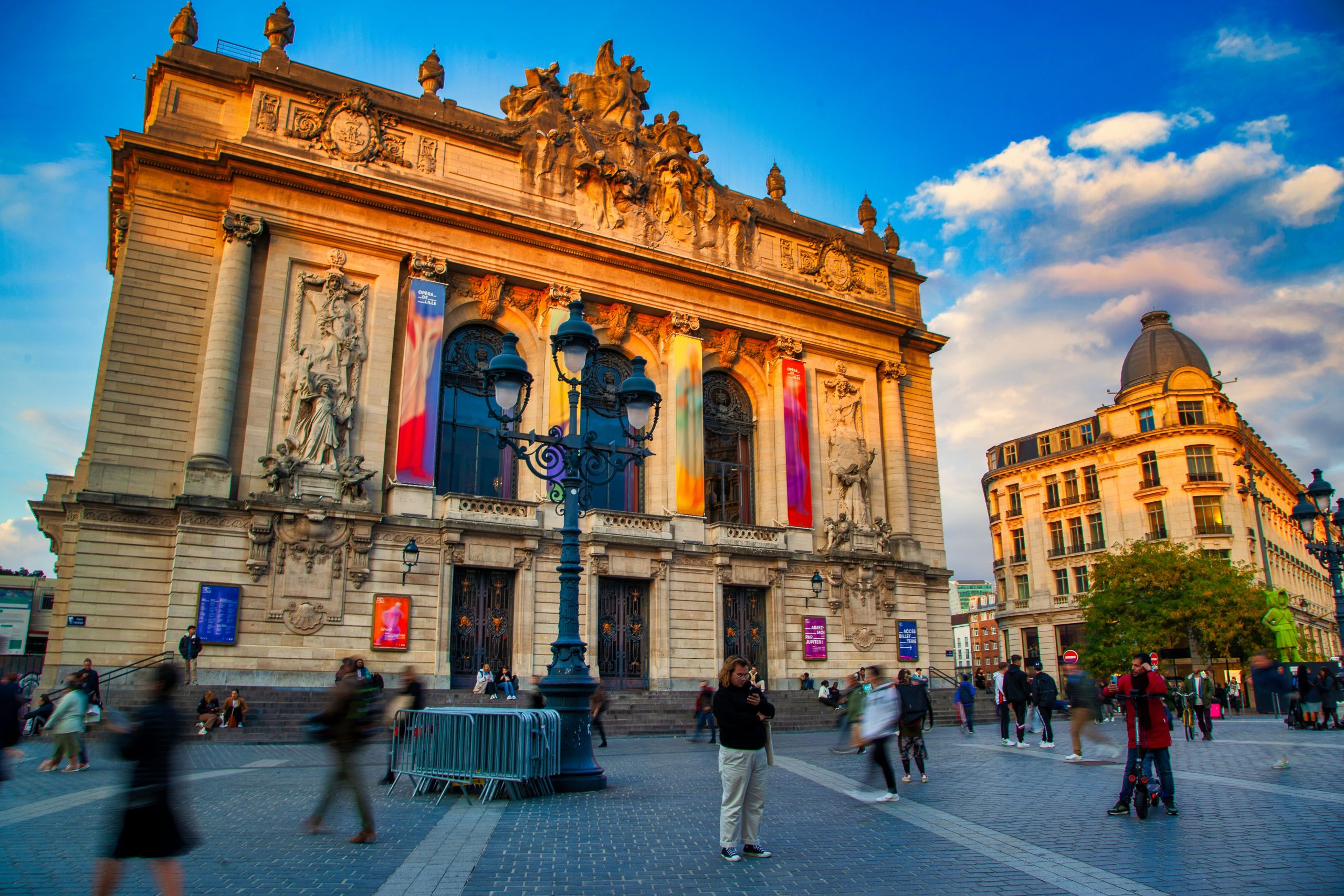
Must-Sees
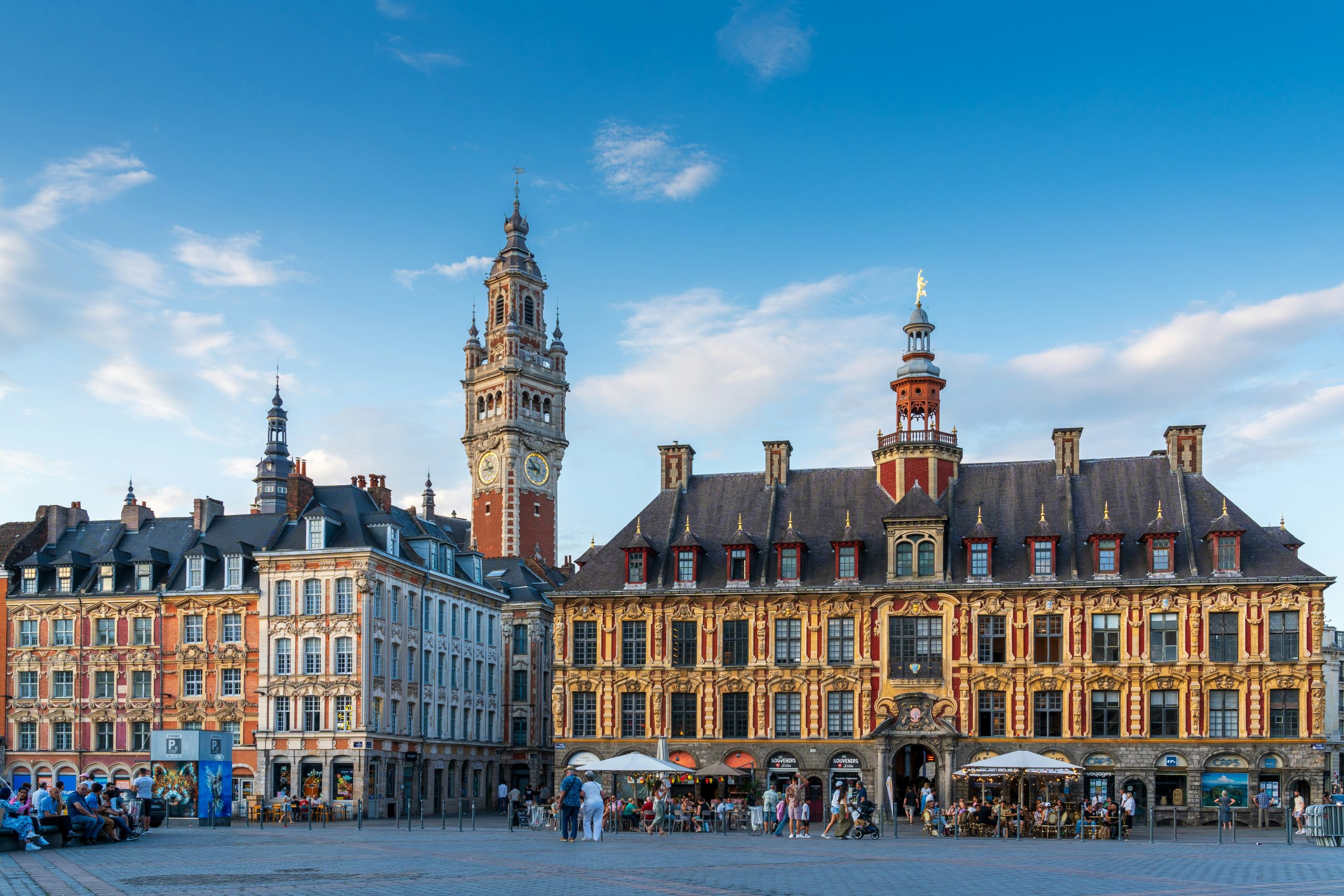
- Grand Place & Vieille Bourse – Historic heart of the city.
- Palais des Beaux-Arts – One of France’s largest art museums.
- Vieux-Lille – Flemish architecture and lively streets.
- Lille Citadel – Vauban fortress and green parkland.
- Euralille – Modern architecture and shopping district.
- La Piscine Museum (Roubaix) – Art museum in a former swimming pool.
- Lille Zoo – Free zoo near the citadel.
Local Gems
- Wazemmes Market – One of France’s biggest and most vibrant markets.
- Braderie de Lille – Europe’s largest flea market, held every September.
- Parc Jean-Baptiste Lebas – Student hangout with cafés and green space.
- Maison Folie venues – Cultural spaces for exhibitions and concerts.
- Day trips to Bruges, Brussels, or Ghent – Easy international escapes.
Pre-departure Essentials
Documents & Visas: EU/EEA students do not need a visa. Non-EU students usually require a French long-stay student visa (VLS-TS) and should apply well in advance with university documentation.
Health Insurance: EU students should bring a valid EHIC. Non-EU students must enrol in French student health insurance after arrival; many also choose additional private cover.
Banking: A French bank account is often required for rent and utilities. Both traditional banks and online options are commonly used by students.
SIM Cards: Orange, SFR, Bouygues, and Free Mobile offer student-friendly plans starting around €10–20/month.
Post-arrival Essentials
Registration: Non-EU students must validate their visa shortly after arrival. All students should complete university registration and follow any local administrative requirements.
Banking & SIM: Set these up early to avoid delays with rent payments, student services, and official paperwork.
Health & Safety: Register for health cover if required, locate your nearest pharmacy, and save emergency number 112.
Shopping: Carrefour, Auchan, Lidl, Monoprix, E.Leclerc, plus local markets for fresh produce.
Apps: Ilévia (local transport), Too Good To Go (discount food), Deliveroo/Uber Eats (delivery), Lydia (student payments).