


Nice (France)
Destination Overview
Nice, located on the French Riviera, is a sunny and cosmopolitan city that attracts students, expats, and tourists alike. Known for its Promenade des Anglais, Mediterranean climate, and art scene, it is also home to Université Côte d’Azur and several grandes écoles. Its location between mountains and sea makes it ideal for outdoor lifestyles, while its international atmosphere appeals to Erasmus and exchange students.
Quick Facts, Nice

Climate
Mediterranean climate with mild winters and hot summers, plus over 300 days of sunshine per year.

Cost of Living
Higher than average for France. Sharing accommodation is common for students to keep costs manageable.

Lifestyle
Outdoor-focused and relaxed, with beach life, coastal walks, and easy access to hiking and mountain trips.

Vibe
International, coastal, and cosmopolitan, with a mix of students, young professionals, and tourists.

Safety
Generally safe, though tourist-heavy areas can experience pickpocketing. Normal city precautions apply.

Transport
Excellent public transport with trams, buses, and regional trains connecting the city and Riviera towns.
Areas & Neighbourhoods
1. Vieux Nice (Old Town)
▲Colourful historic quarter with lively markets, restaurants, and nightlife. Extremely central and atmospheric, but touristy, noisy at night, and less common for long-term student living.
2/3. Jean-Médecin / Avenue Thiers
▼4. Cimiez
▼5. Gambetta
▼6. Port Lympia
▼7. Fabron
▼8. Libération
▼Transport
Within Nice

Buses

Trams

Cycling

Walking
Domestic & International

Bus

Airport

Train
Culture & Lifestyle
Cost of Living: Shared flats €450–€650/month, studios €700–€1,000. Meals €12–18, coffee €2.50–3, beer €4–5. Groceries €35–55/week.
Climate: Mediterranean, with mild winters (8–15°C) and hot summers (28–35°C).
Culture: Strong arts scene with major museums, a lively old town, and annual events like the Nice Carnival.
Social & Nightlife: Student nightlife centres around Vieux Nice, Port Lympia, and central bar streets. Beach bars and seafront socialising are popular in warmer months.
Lifestyle: Outdoor-oriented and international, with easy access to beaches, coastal towns, and mountain hiking.
Inclusivity & Safety
LGBTQ+ Community
Welcoming and visible, with LGBTQ+ venues and events, particularly in central nightlife areas.






Top Attractions & Local Experiences
Must-Sees
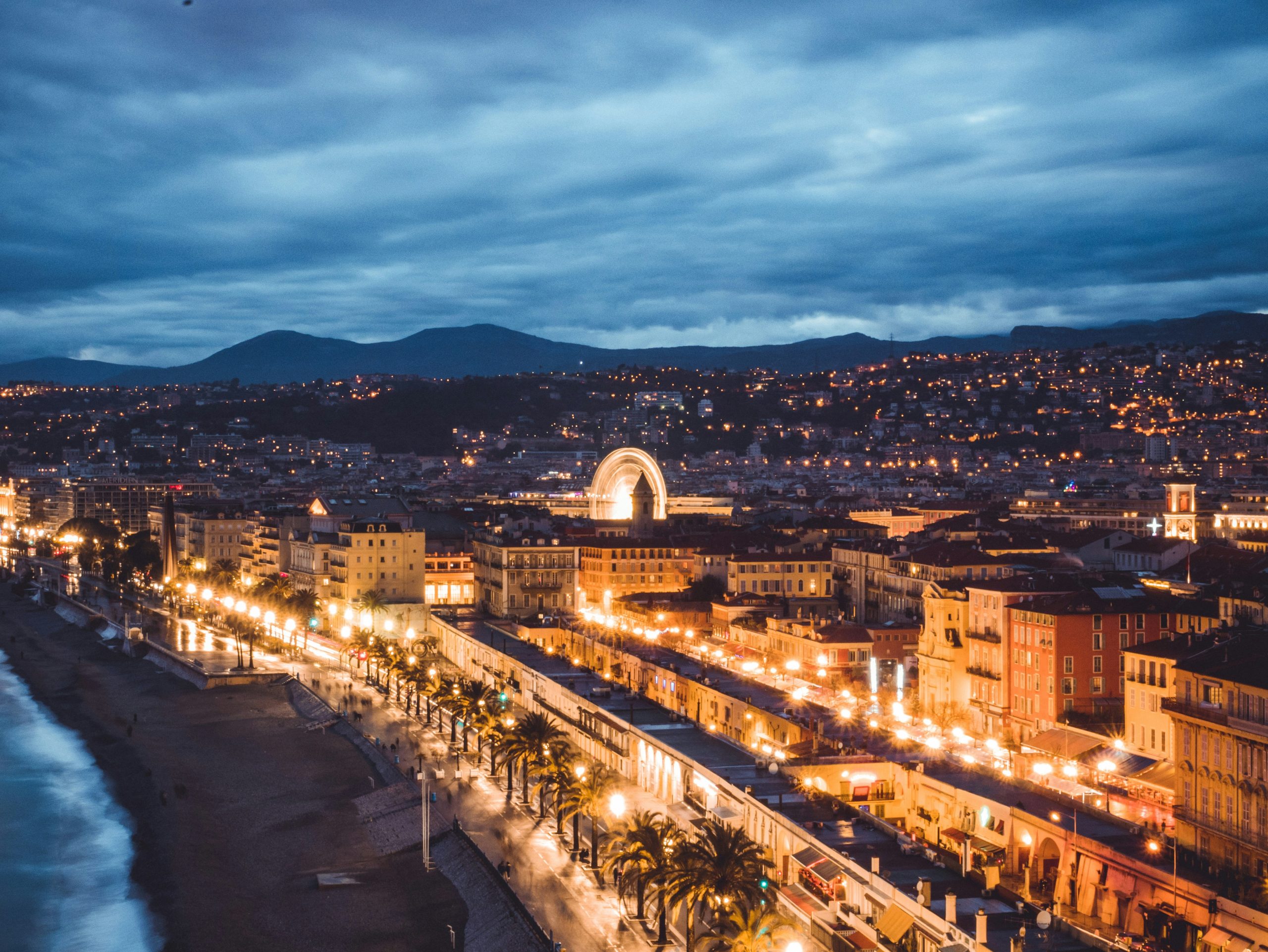
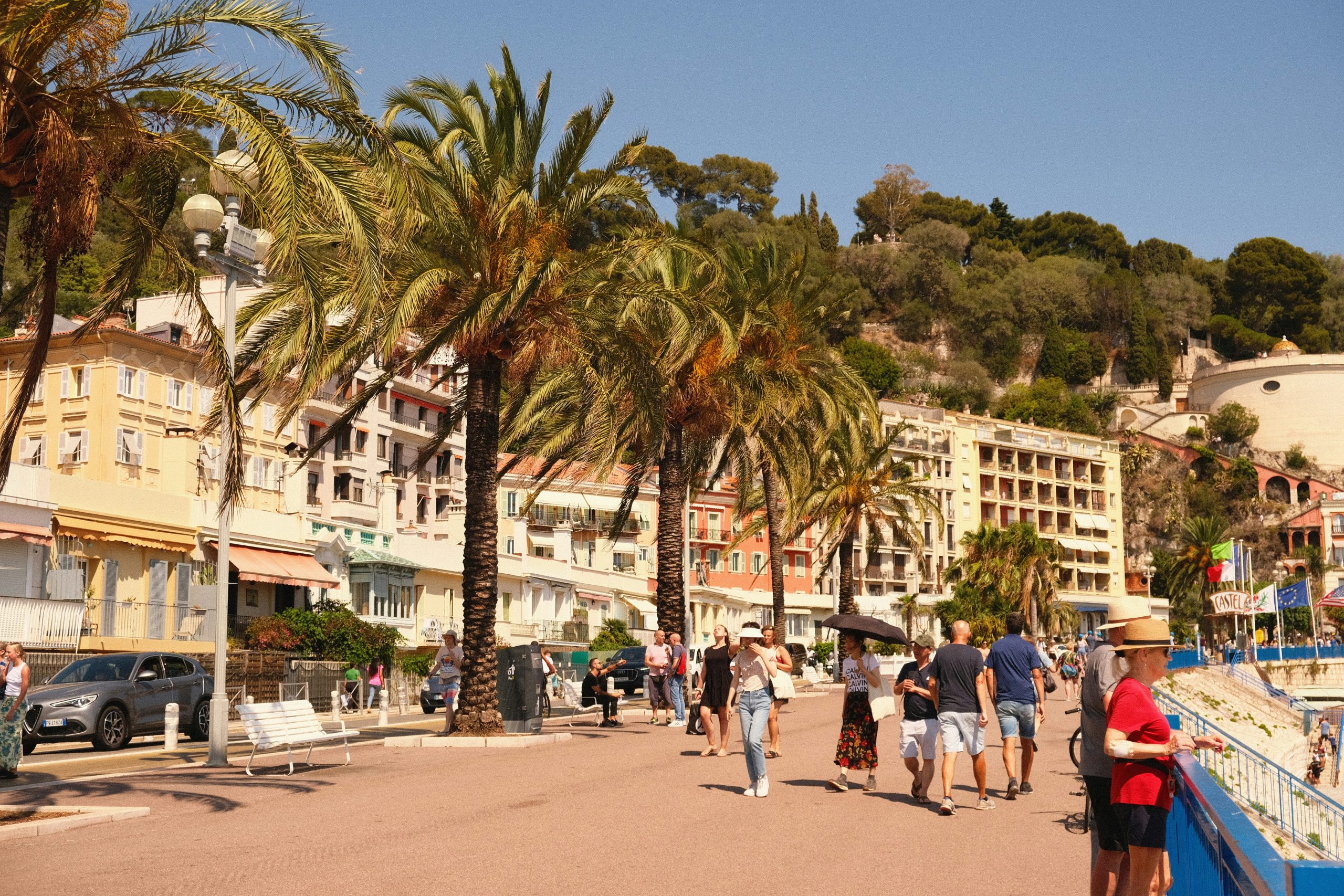
- Promenade des Anglais – Iconic seaside boulevard for walks and sunsets.
- Vieux Nice – Historic old town with markets and local life.
- Colline du Château – Panoramic views over the bay and city.
- Musée Matisse – Major collection in a peaceful setting.
- Musée Chagall – Renowned museum dedicated to Marc Chagall.
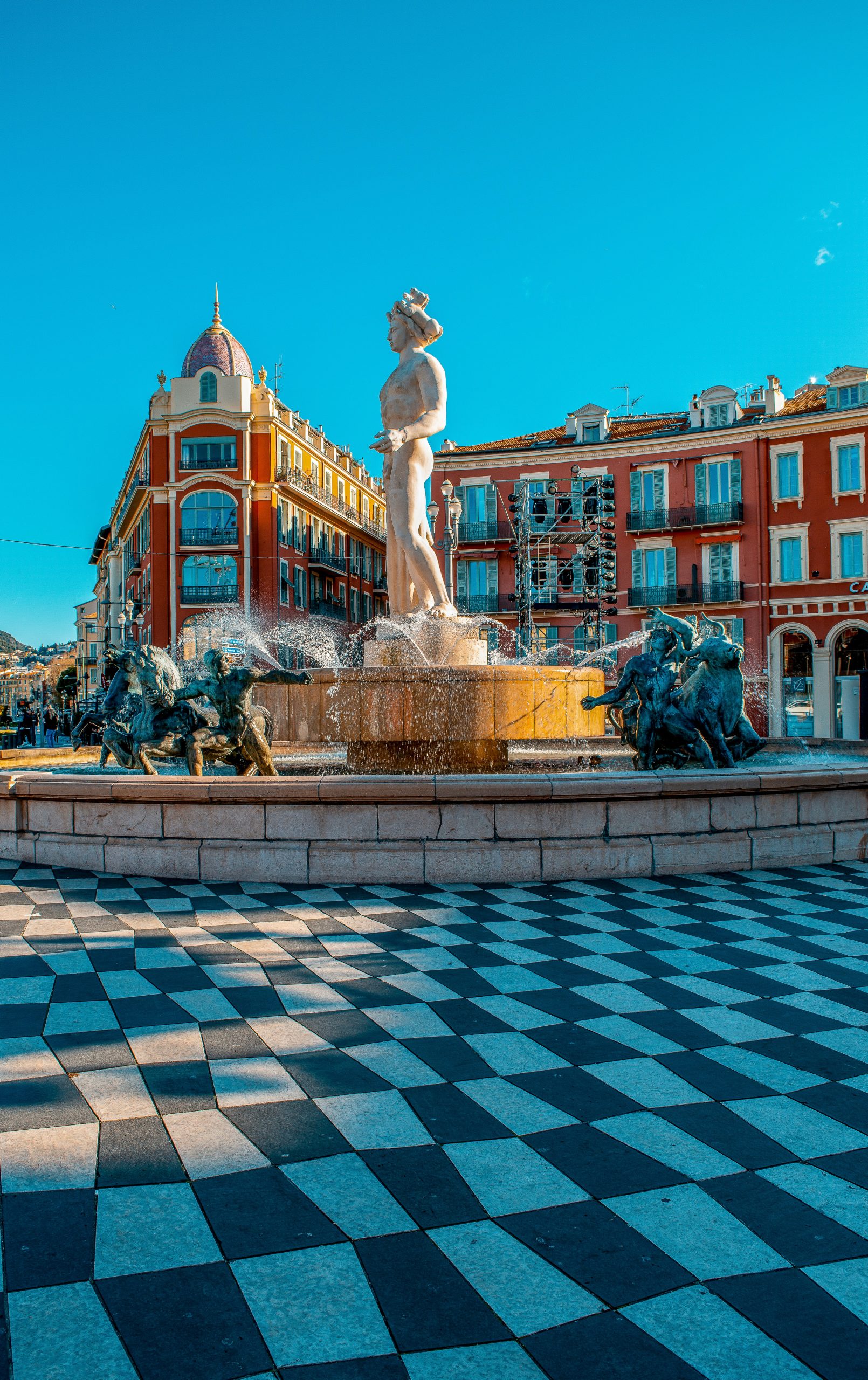
- Place Masséna – Central square linking shopping streets to the seafront.
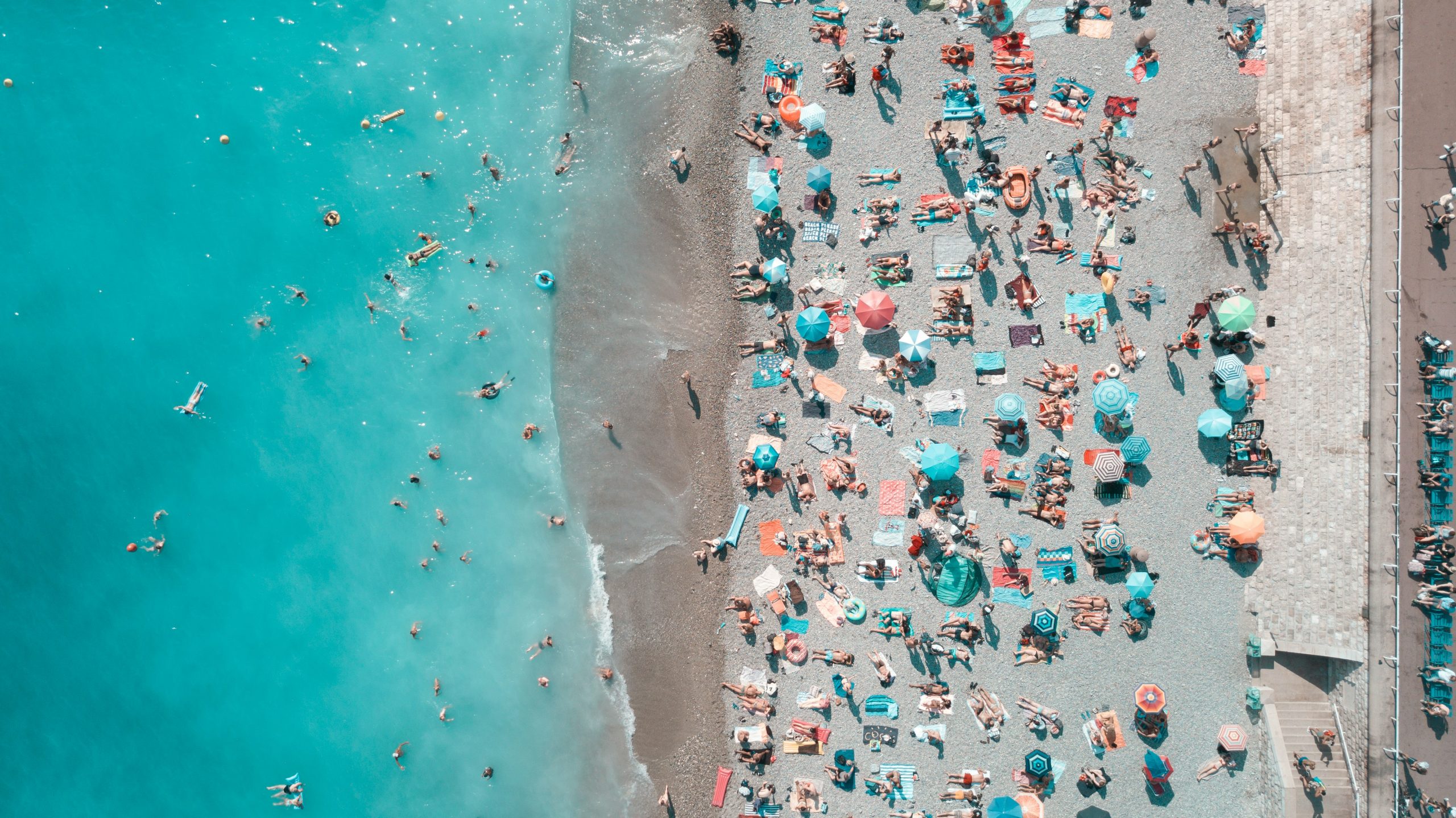
- Nice’s Beaches – Famous pebble beaches with clear Mediterranean water.
Local Gems
- Cours Saleya Market – Flower and food market at the heart of the Old Town.
- Èze – Hilltop village with dramatic views, perfect for a half-day trip.
- Villefranche-sur-Mer – Scenic harbour town close to Nice.
- Monaco (day trip) – Easy regional train journey to a very different Riviera experience.
- Carnaval de Nice – Major winter festival with parades and performances.
- Alpes-Maritimes hikes – Excellent weekend escapes into nature.
Pre-departure Essentials
Documents & Visas: EU/EEA students don’t need a visa. Non-EU students usually require a French long-stay student visa (VLS-TS) and should apply well in advance.
Health Insurance: EU students should bring a valid EHIC. Non-EU students typically register for French health cover after arrival; private top-up insurance is common.
Banking: A French bank account is often needed for rent and utilities. Both high-street and online banks are widely used by students.
SIM Cards: Orange, SFR, Bouygues, and Free Mobile offer student-friendly plans from around €10–20/month.
Post-arrival Essentials
Registration: Non-EU students must validate their visa shortly after arrival and follow any OFII steps if required. Universities usually provide guidance.
Banking & SIM: Set these up early to avoid issues with rent, admin, and student services.
Health & Safety: Register for health cover if required, locate your nearest pharmacy, and save emergency number 112.
Shopping: Carrefour, Monoprix, Lidl, Auchan, Intermarché, plus local markets for fresh produce.
Apps: Lignes d’Azur (transport), Too Good To Go (discount food), Deliveroo/Uber Eats (delivery), Lydia (payments).