


Marseille (France)
Destination Overview
Marseille, France’s second-largest city and its biggest Mediterranean port, is a vibrant and multicultural hub. Known for its mix of French, North African, and Mediterranean influences, it offers a unique student experience. Home to Aix-Marseille University — one of France’s largest — the city combines affordable living (by French standards), a sunny climate, and direct access to beaches and the Calanques National Park, making it increasingly popular with students and young professionals.
Quick Facts, Marseille

Climate
Mediterranean, with hot, dry summers and mild winters. Sunshine is common year-round.

Cost of Living
Mediterranean, with hot, dry summers and mild winters. Sunshine is common year-round.

Lifestyle
Outdoorsy and relaxed, centred around the sea, cafés, and neighbourhood life. Nature and beaches are part of daily life.

Vibe
Multicultural, lively, and authentic. Gritty in places, but full of character and energy.

Safety
Generally safe in central and student areas. Some districts require more awareness, especially at night.

Transport
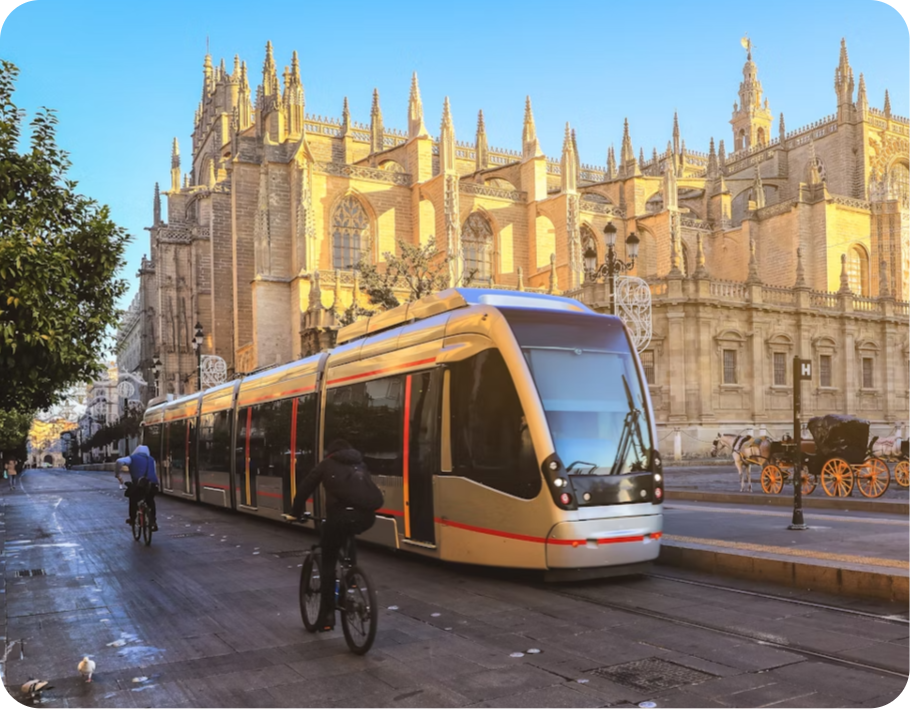
Metro, trams, and buses cover most areas. The city centre is walkable, with good links to beaches and campuses.
Areas & Neighbourhoods
1. Vieux-Port (Old Port)
▲The historic heart of Marseille, packed with cafés, restaurants, and nightlife. Central and lively but touristy and more expensive.
2. Le Panier
▼3. La Plaine / Cours Julien
▼4. Castellane
▼5. Prado
▼6. Endoume
▼7. Saint-Charles
▼8. La Belle de Mai
▼Transport
Within Marseille

Metro

Trams & Buses

Cycling
Domestic & International

Bus

Airport

Train

Ferries
Culture & Lifestyle
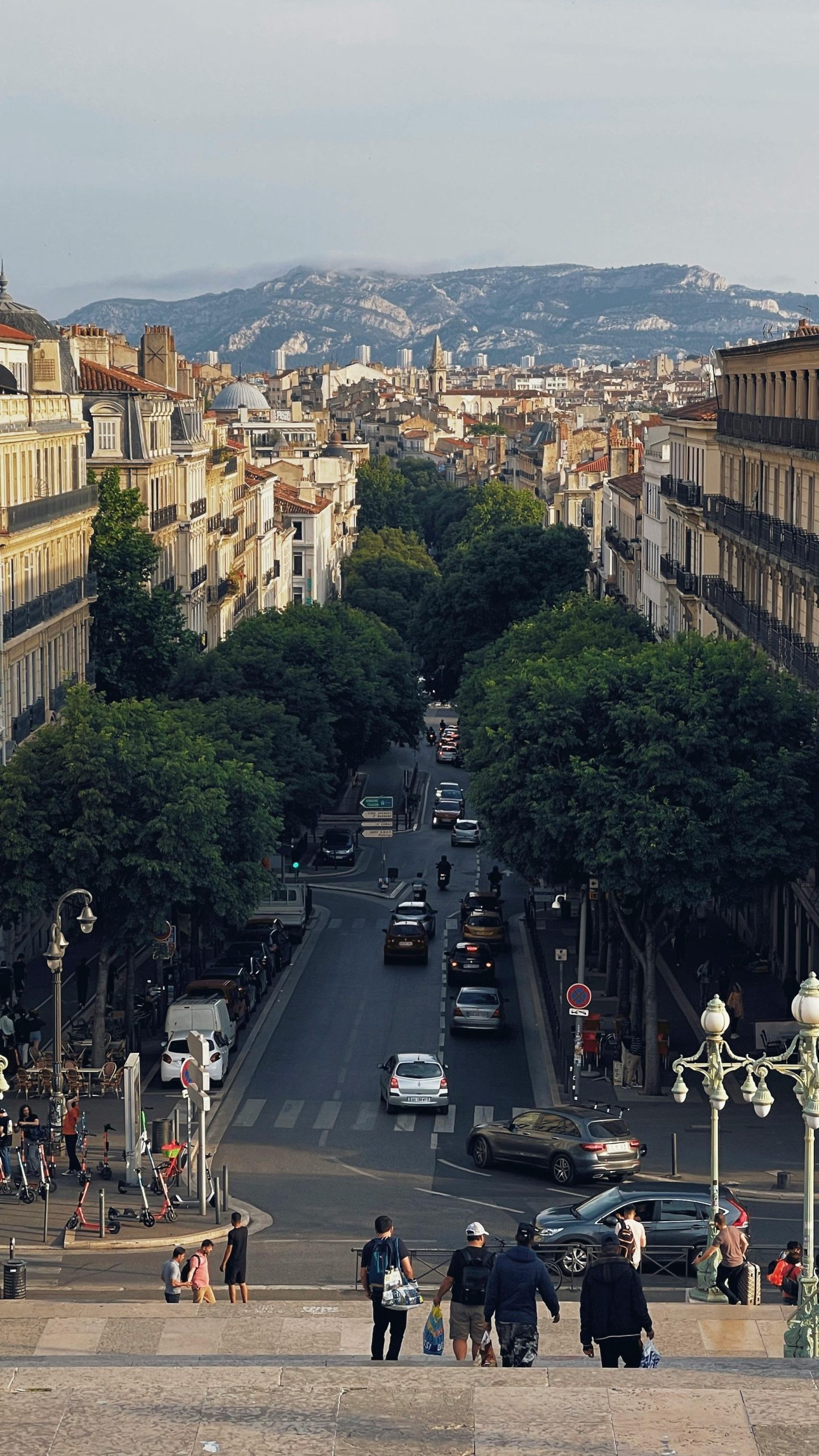
Cost of Living: Moderate. Shared flats €350–€500, studios €600–€800. Meals €10–15, coffee €2–3, groceries €30–50/week.
Climate: Hot, dry summers (28–35°C) and mild winters (7–14°C).
Culture: Strong Mediterranean identity shaped by migration, trade, and maritime history. Museums, festivals, and food culture are central.
Social & Nightlife: Lively nightlife around Cours Julien and Vieux-Port. Beach bars and multicultural food spots add variety.
Lifestyle: Sunny, social, and outdoors-focused, with easy access to beaches, hiking, and coastal escapes.
Inclusivity & Safety
LGBTQ+ Community
Welcoming and visible, with Pride events and LGBTQ+-friendly venues, particularly around central neighbourhoods.





Top Attractions & Local Experiences
Must-Sees
- Vieux-Port – Historic harbour and social heart of the city
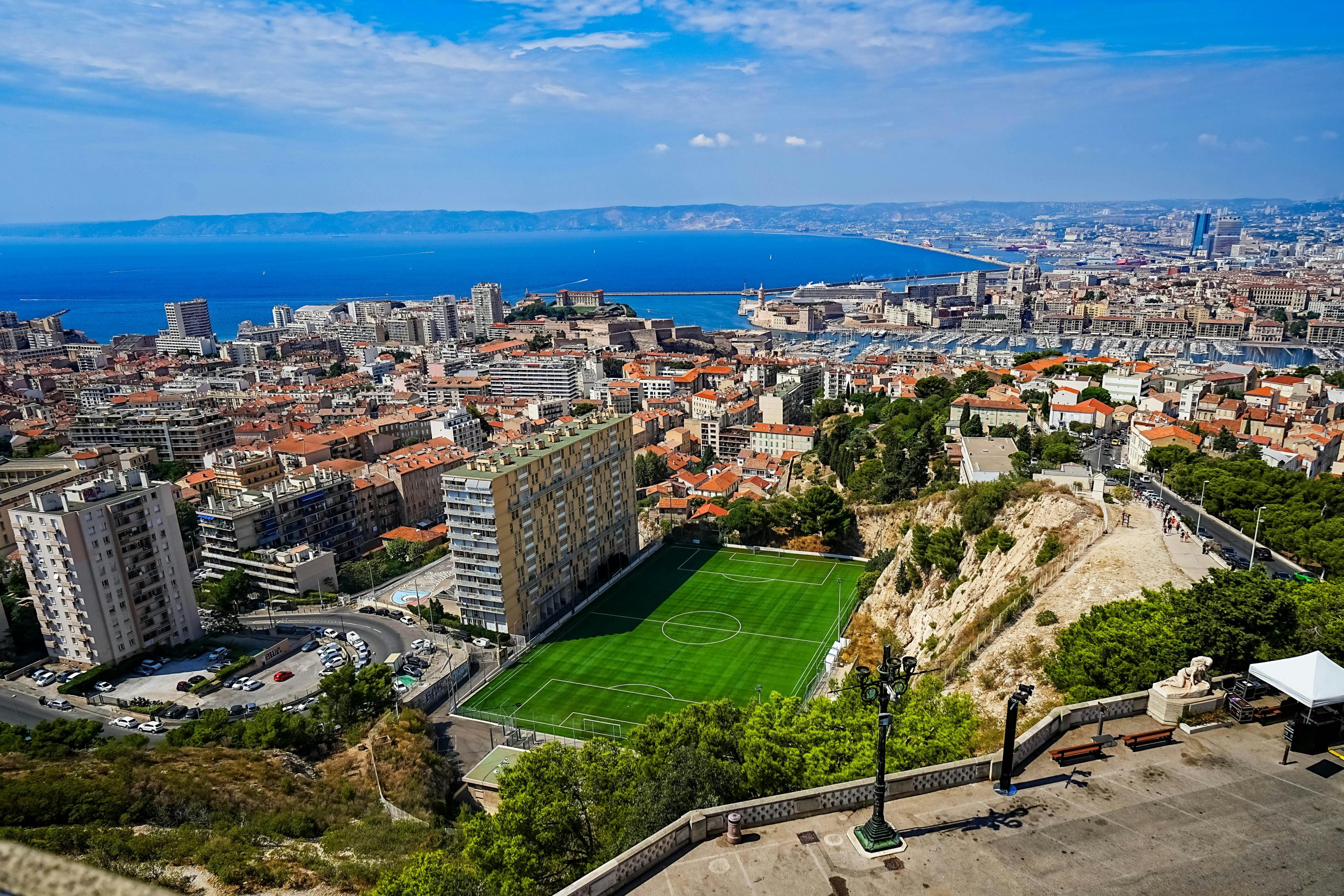
- Notre-Dame de la Garde – Iconic hilltop basilica with panoramic views
- Le Panier – Colourful old quarter and creative centre
- MuCEM – Museum of European and Mediterranean Civilisations
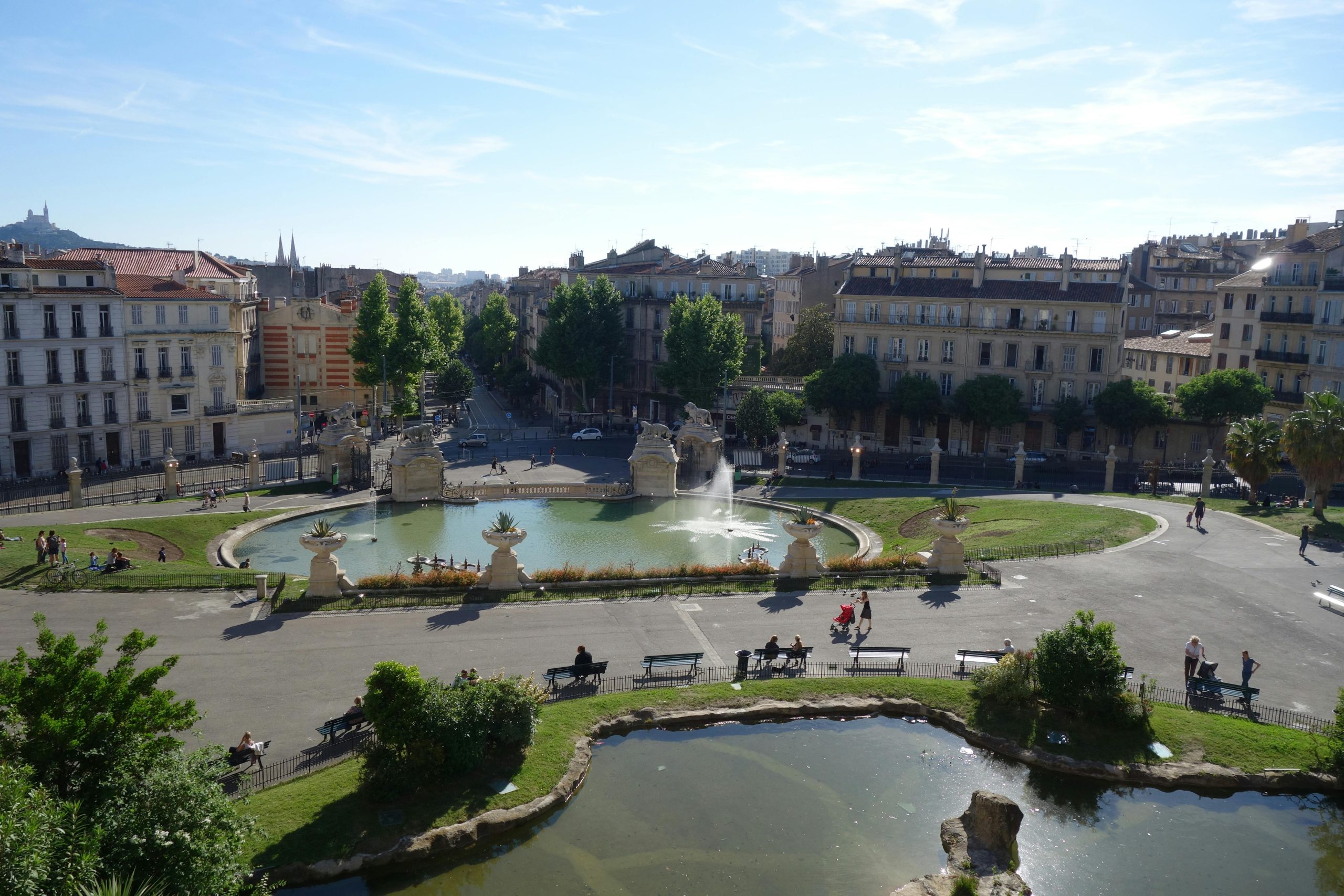
- Palais Longchamp – Grand 19th-century landmark and park
- Stade Vélodrome – Home of Olympique de Marseille
- Calanques National Park – Dramatic coastal cliffs, beaches, and hiking
Local Gems
- Cours Julien – Street art, bars, and live music in a student-heavy area
- Marché de Noailles – Bustling multicultural food market
- Frioul Islands – Ferry-accessible islands just offshore
- Savon de Marseille workshops – Traditional soap-making heritage
- Bouillabaisse – The city’s famous seafood stew, best tried locally

Pre-departure Essentials
Documents & Visas: EU/EEA students don’t need a visa. Non-EU students require a French long-stay student visa (VLS-TS) arranged before arrival.
Health Insurance: EU students should bring a valid EHIC. Non-EU students must register for French student social security after arrival.
Banking: French banks such as BNP Paribas, Crédit Agricole, and Société Générale are common. A French account is often required for rent.
SIM Cards: Orange, SFR, Bouygues, and Free Mobile offer student-friendly plans from €10–20 per month.
Post-arrival Essentials
Registration: Non-EU students must validate their visa online shortly after arrival and may need to register with OFII.
Banking & SIM: Open a French bank account and activate a local SIM if not done before arrival.
Health & Safety: Register for student health coverage, locate your nearest pharmacy, and note the emergency number: 112.
Shopping: Carrefour, Monoprix, Lidl, Auchan, and Intermarché are widely available.
Apps: RTM (public transport), Too Good To Go (discount food), La Fourchette (restaurants), Lydia (payments).