


Montpellier (France)
Destination Overview
Montpellier, in southern France, is one of the country’s youngest and most student-driven cities, with students making up over a quarter of the population. Home to the University of Montpellier—one of the oldest universities in the world—and several grandes écoles, the city attracts a large international student community. Known for its Mediterranean climate, relaxed pace of life, and proximity to the sea, Montpellier blends historic charm with a modern, cosmopolitan atmosphere that is ideal for student living.
Quick Facts, Montpellier

Climate
Mediterranean climate with hot, dry summers and mild winters. Spring and early autumn are especially comfortable.

Cost of Living
Moderate for France and generally cheaper than Paris. Shared flats are typically €350–€500, with groceries around €30–50 per week.

Lifestyle
Relaxed and outdoorsy, with lots of student life in cafés, squares, and parks. Beaches are an easy day trip.

Vibe
Relaxed and outdoorsy, with lots of student life in cafés, squares, and parks. Beaches are an easy day trip.

Safety
Generally safe, especially in central and student areas. Petty theft can happen in crowded nightlife spots, so keep standard precautions.

Transport
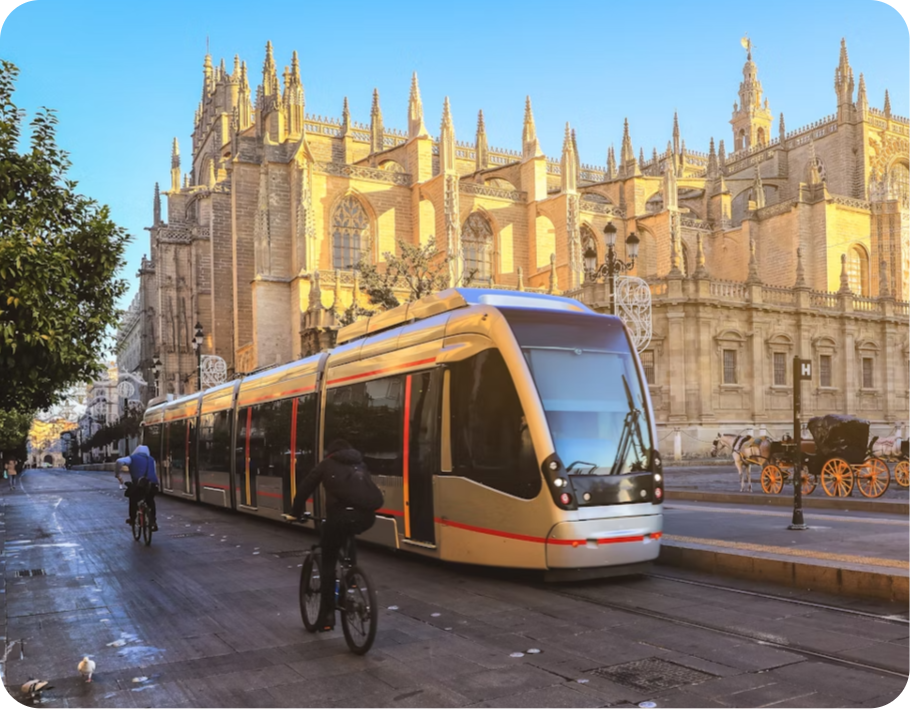
Trams are the main way to get around and cover most key areas. Buses and cycling fill the gaps, and the centre is very walkable.
Areas & Neighbourhoods
1. Écusson (Historic Centre)
▲Medieval old town with narrow streets, lively squares, bars, and nightlife. Extremely central and atmospheric, but housing is older, more expensive, and can be noisy at night.
2. Port Marianne
▼3. Antigone
▼4. Beaux-Arts
▼5. Figuerolles
▼6. La Mosson
▼7. Millénaire
▼Transport
Within Montpellier

Buses

Trams

Cycling
Domestic & International

Airport

Train

Bus
Culture & Lifestyle
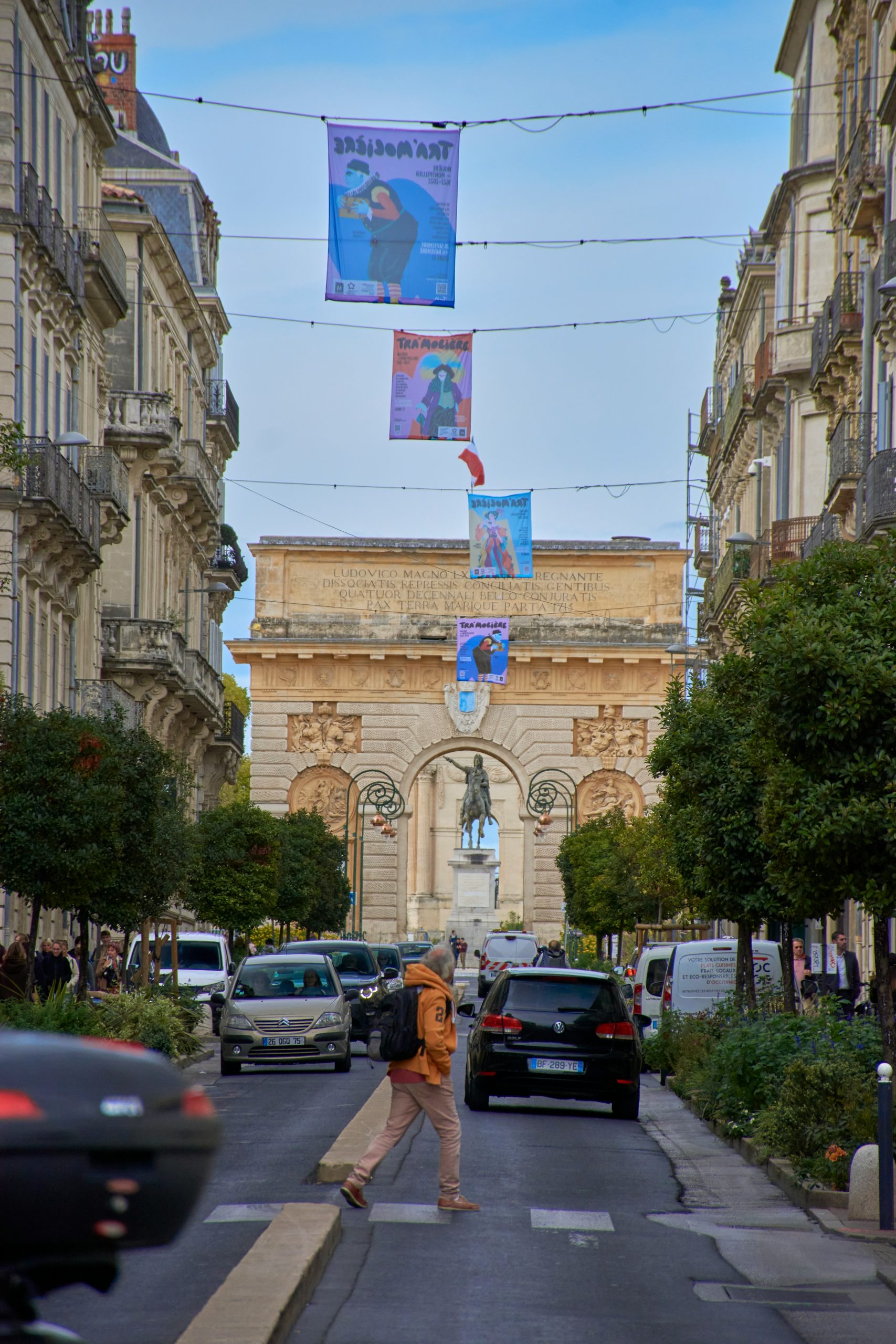
Cost of Living: Moderate for France. Shared flats €350–€500/month, studios €600–€800. Meals €10–15, coffee €2–3, beer €4. Groceries €30–50/week.
Climate: Mediterranean, with hot, dry summers (28–34°C) and mild winters (7–14°C).
Culture: Strong mix of medieval heritage, contemporary art, festivals, and street culture. Museums, outdoor events, and student initiatives are common.
Social & Nightlife: Very active student nightlife, especially in Écusson, Beaux-Arts, and Figuerolles, with bars, clubs, and live music venues.
Lifestyle: Relaxed, sunny, and outdoorsy, with beaches reachable in around 20 minutes and a strong café culture.
Inclusivity & Safety
LGBTQ+ Community
Montpellier is widely regarded as open and welcoming, with visible LGBTQ+ spaces, regular Pride events, and strong support from the student community.





Top Attractions & Local Experiences
Must-Sees
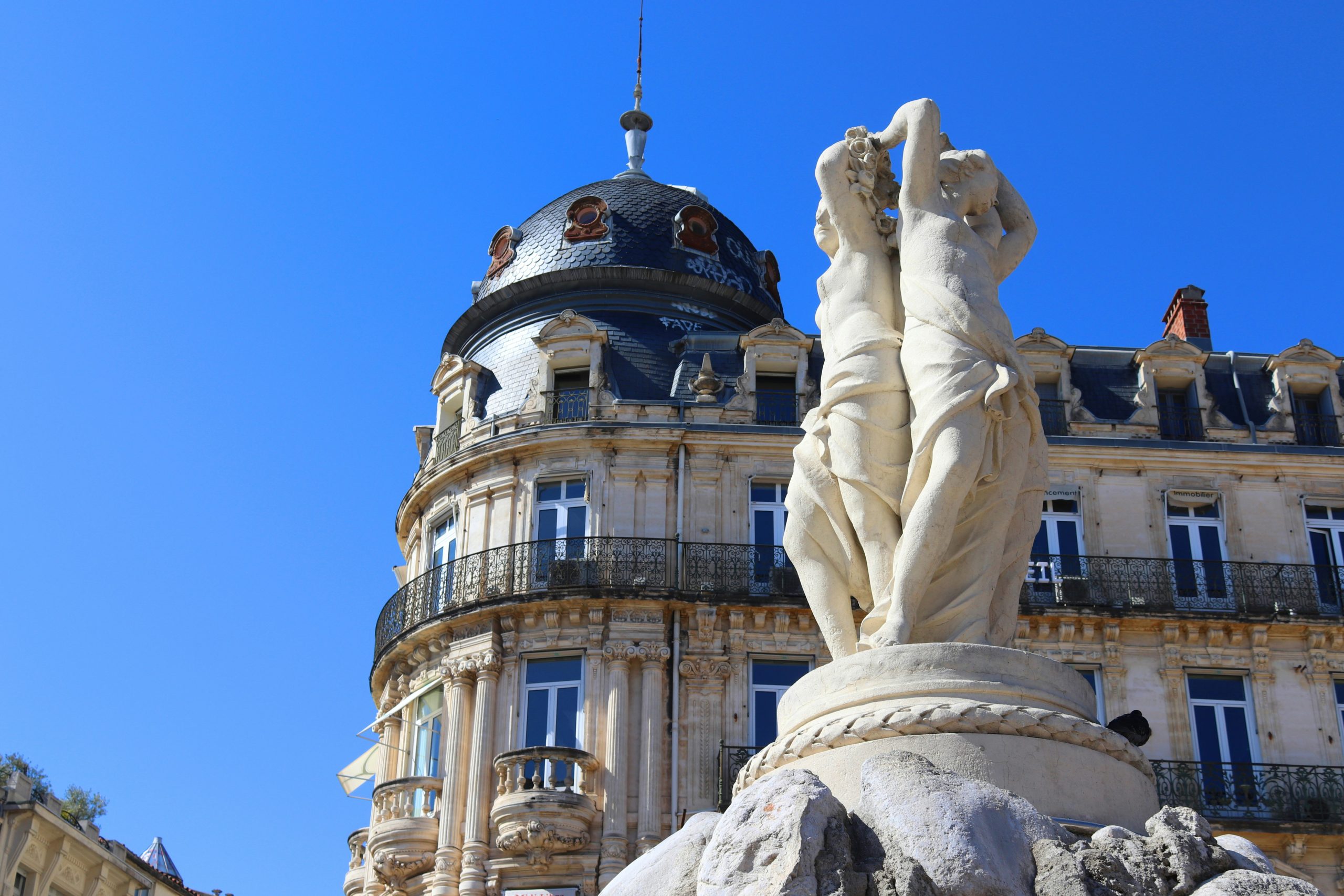
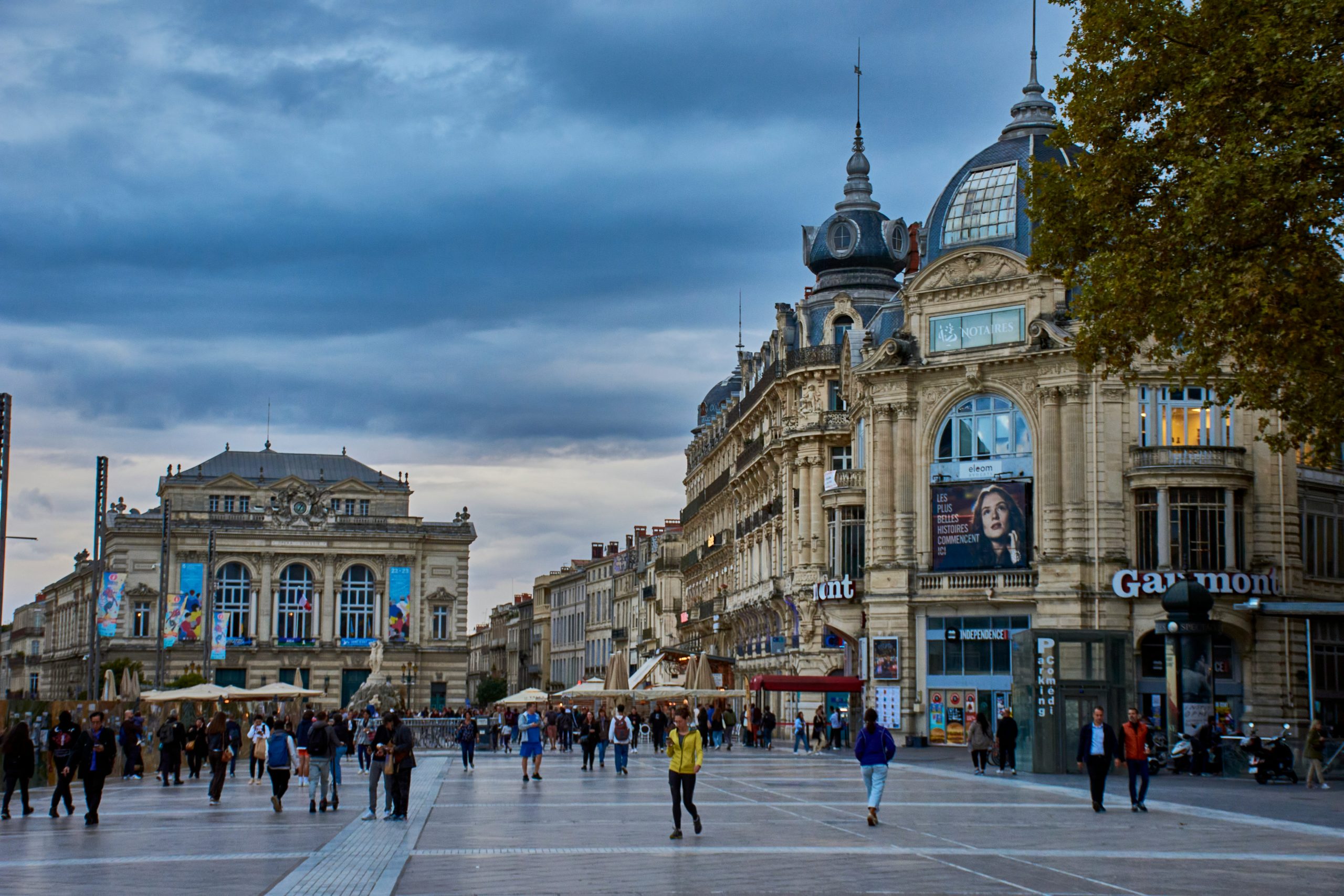
- Place de la Comédie – Central square and social heart of the city.
- Écusson – Medieval old town with historic streets and nightlife.
- Musée Fabre – One of France’s leading fine arts museums.
- Montpellier Cathedral – Gothic landmark in the historic centre.
- Antigone District – Striking postmodern architecture.
- Jardin des Plantes – One of Europe’s oldest botanical gardens.
- Le Corum – Major opera and cultural venue.
Local Gems
- Beaux-Arts Market – Weekly local market with cafés and student atmosphere.
- Figuerolles Street Life – Multicultural bars, food spots, and community events.
- River Lez Walks – Popular for cycling and evening socialising.
- Palavas-les-Flots & Carnon – Nearby beaches perfect for day trips.
- FISE Festival – International extreme sports event held annually.
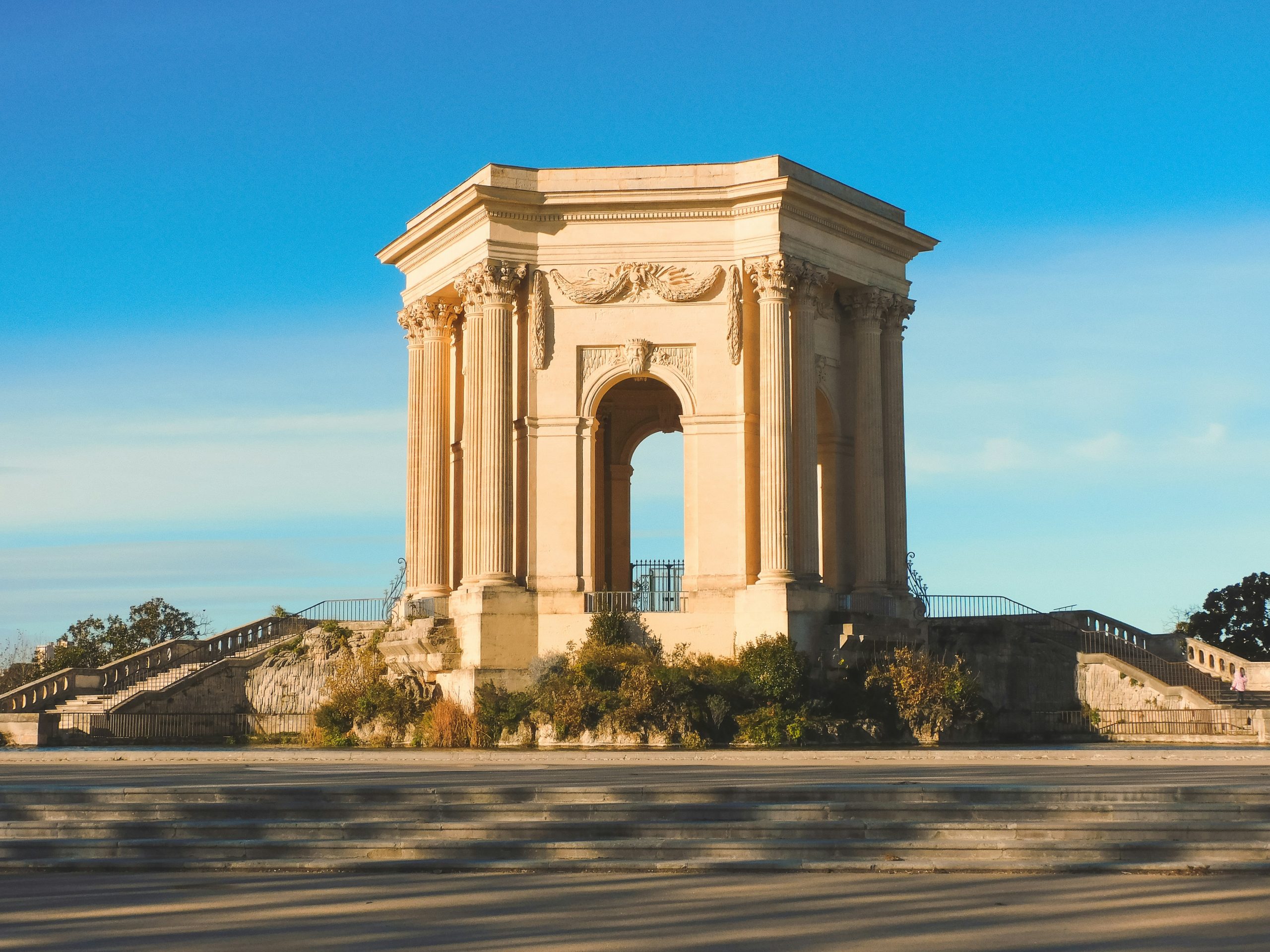
Pre-departure Essentials
Documents & Visas: EU/EEA students do not need a visa. Non-EU students must apply for a French long-stay student visa (VLS-TS) before arrival, usually with proof of admission and funds.
Health Insurance: EU students can use a valid EHIC. Non-EU students must register with French student health insurance (Sécurité Sociale) after arrival; private cover is recommended initially.
Banking: Major French banks include BNP Paribas, Société Générale, and Crédit Agricole. A French account may be required for rent or utilities.
SIM Cards: Orange, SFR, Bouygues, and Free Mobile offer affordable monthly plans from €10–20.
Post-arrival Essentials
Registration: Non-EU students must validate their visa online within three months of arrival and may need to register with OFII. Some students may also need to register with the local mairie.
Banking & SIM: Open a French bank account and arrange a local SIM if not done before arrival to simplify rent, payments, and contracts.
Health & Safety: Register for student health insurance as soon as possible. Pharmacies are widespread and easy to access. Emergency number: 112.
Shopping: Main supermarkets include Carrefour, Monoprix, Auchan, and Lidl, with local markets offering affordable fresh produce.
Apps: TAM (public transport), Too Good To Go (discount food), La Fourchette/TheFork (restaurants), Leboncoin (second-hand), Lydia (payments).