


Bordeaux (France)
Destination Overview
Bordeaux is a historic city in southwest France, internationally known for its wine, elegant architecture, and relaxed lifestyle. As a UNESCO World Heritage city with over 100,000 students, it combines strong academic life with vibrant culture. Home to the University of Bordeaux and several grandes écoles, the city attracts a large international student population. Bordeaux is more affordable than Paris and Lyon, while still offering excellent quality of life, nightlife, and career opportunities.
Quick Facts, Bordeaux

Climate
Mild winters and warm summers, with some rain throughout the year. Spring and early autumn are especially pleasant.

Cost of Living
More affordable than Paris and Lyon, but costs are rising. Shared flats are typically €400–€600, with groceries around €40–60 per week.

Lifestyle
Relaxed and outdoorsy, with lots of riverside social life and cycling. Easy weekends to vineyards and the Atlantic coast.

Vibe
Elegant, student-friendly, and social, with a strong café and wine culture. Popular with both international students and young professionals.

Safety
Generally safe, with low violent crime. Pickpocketing can happen in busy nightlife or tourist areas, so stay aware.

Transport
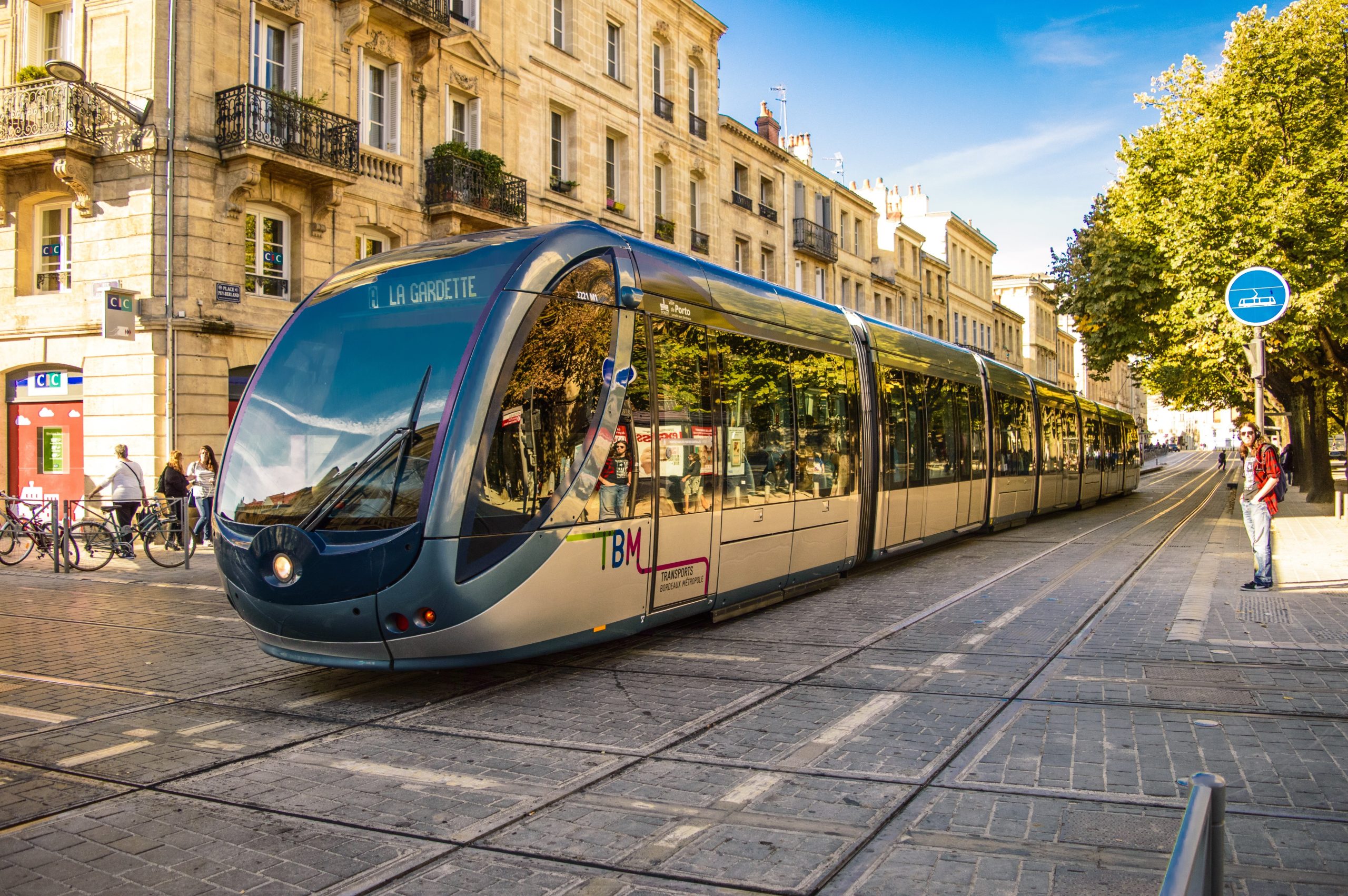
Trams are the main way to get around and cover most key areas. Buses and bikes fill the gaps, and the city is very walkable.
Areas & Neighbourhoods
1. Centre-Ville (Historic Centre)
▲The heart of Bordeaux, known for its 18th-century architecture, major shopping streets, and busy squares. Extremely central and lively, but among the most expensive areas. Best for students who prioritise location and atmosphere over space.
2. Saint-Pierre
▼3. Victoire
▼4. Saint-Michel
▼5. Chartrons
▼6. La Bastide (Right Bank)
▼Transport
Within Bordeaux

Buses

Trams

Cycling / Walking
Domestic & International

Airport

Train

Bus / Coach
Culture & Lifestyle
Cost of Living: Moderate for France. Shared flats typically €400–€600/month, studios €700–€900. Eating out €10–15, coffee €2–3. Groceries €40–60/week.
Climate: Oceanic climate with mild winters and warm summers. Rain is spread throughout the year, but sunshine is frequent.
Culture: Strong wine heritage, UNESCO architecture, museums, festivals, and a growing creative scene supported by a large student population.
Social & Nightlife: Student nightlife centres around Victoire and Saint-Pierre. Wine bars, live music, festivals, and riverside socialising are all part of daily life.
Lifestyle: Relaxed, outdoorsy, and social. Students spend time cycling along the river, sitting on the quays, and taking weekend trips to vineyards or the Atlantic coast.
Inclusivity & Safety
LGBTQ+ Community
Welcoming and visible, with Pride events and LGBTQ+-friendly venues mainly around the centre and Victoire. Smaller than Paris but open and student-driven.





Top Attractions & Local Experiences
Must-Sees
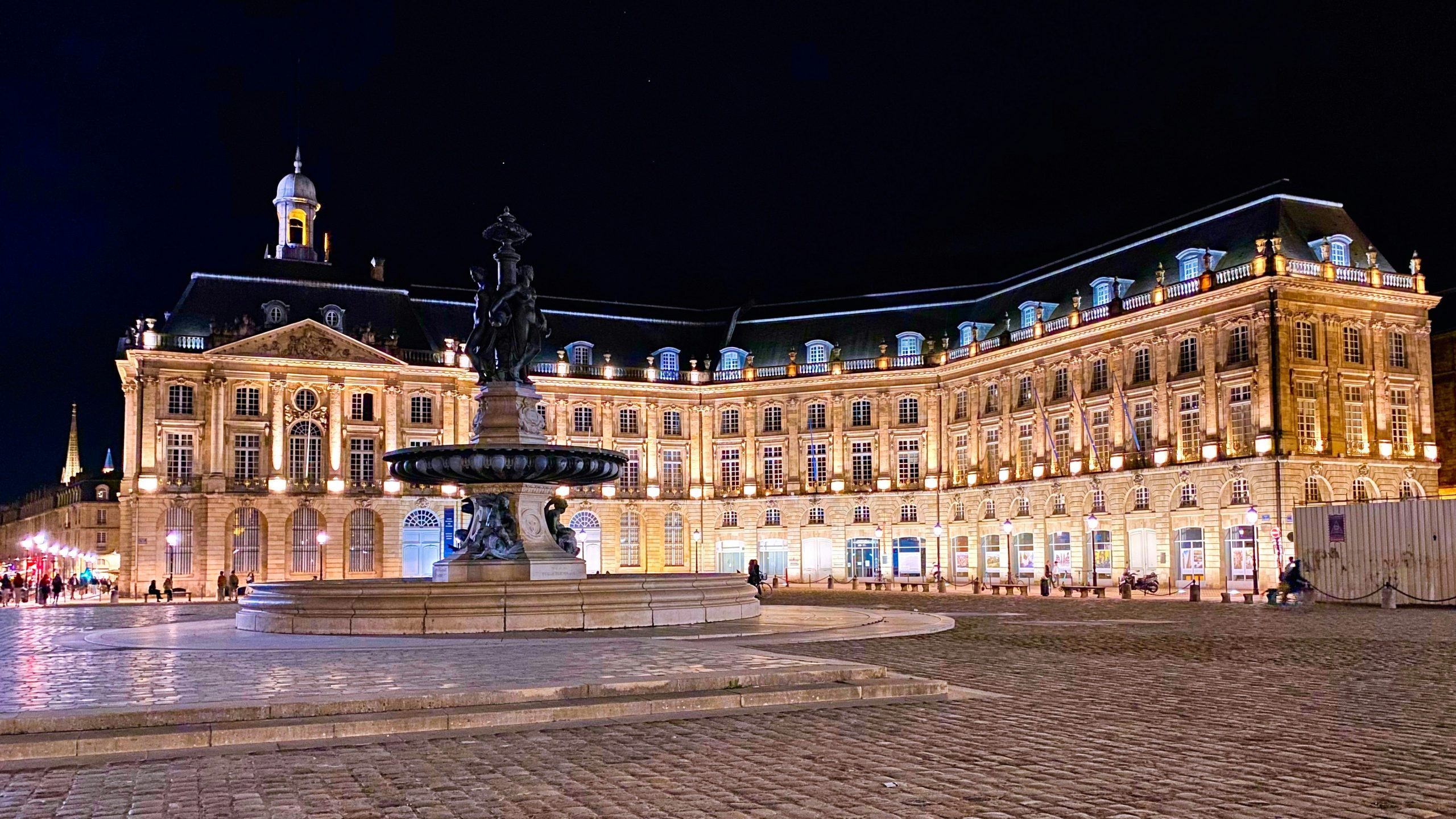
- Place de la Bourse & Water Mirror – Iconic square with a reflective pool on the riverfront.
- La Cité du Vin – Interactive museum dedicated to wine and global wine culture.
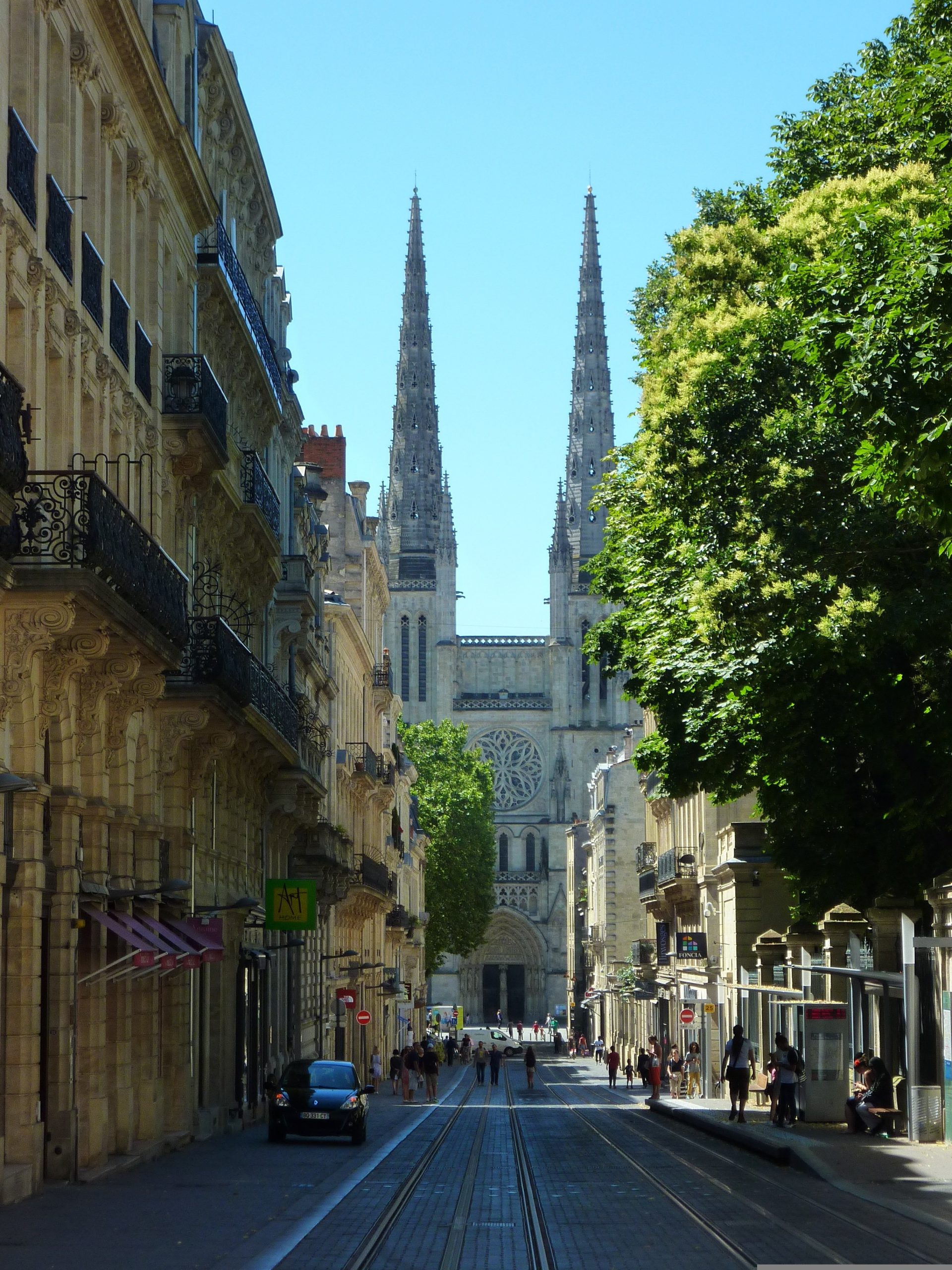
- Bordeaux Cathedral – Gothic landmark in the historic centre.
- Rue Sainte-Catherine – One of Europe’s longest pedestrian shopping streets.
- Pont de Pierre – Historic bridge connecting the city centre to the Right Bank.
- Grand Théâtre – Neoclassical opera house and cultural landmark.
- Jardin Public – Central green space popular with students.
Local Gems
- Darwin Ecosystem – Alternative cultural hub with cafés, events, and creative spaces.
- Marché des Capucins – Lively local food market popular with students.
- Bassins de Lumières – Digital art exhibitions inside a former submarine base.
- Saint-Michel Street Art – Murals and creative spaces in a bohemian district.
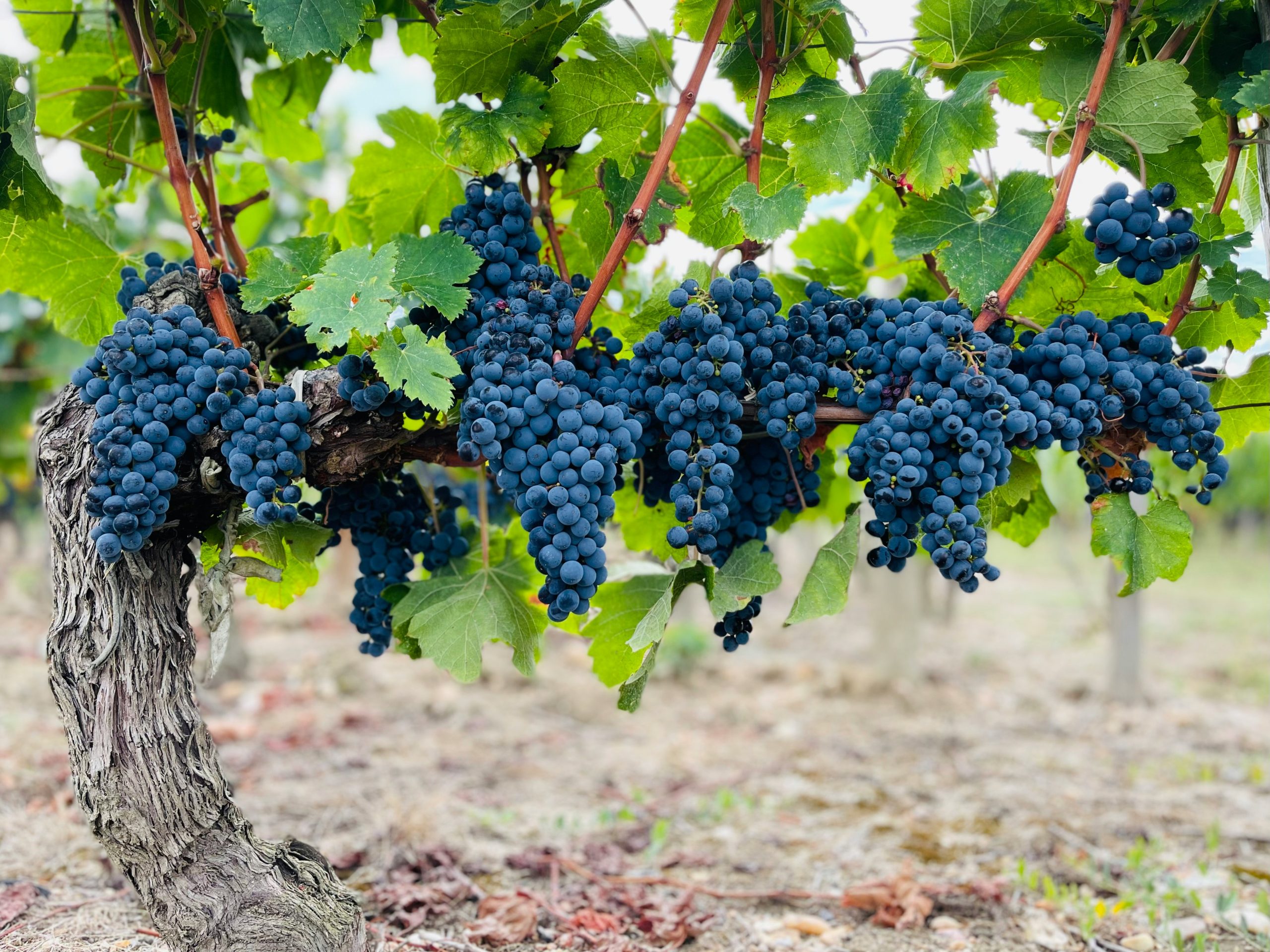
- Wine Day Trips – Easy excursions to Médoc and Saint-Émilion vineyards.
Pre-departure Essentials
Documents & Visas: EU students do not need a visa. Non-EU students require a French long-stay student visa and should apply early with university documentation.
Health Insurance: EU students can use EHIC. Non-EU students must register for French Sécurité Sociale after arrival. Private cover is recommended initially.
Banking: Common banks include BNP Paribas, Crédit Agricole, and Société Générale. Online banks like N26 and Revolut are widely used.
SIM Cards: Orange, SFR, Bouygues, and Free Mobile offer plans from €10–20/month.
Post-arrival Essentials
Registration: Non-EU students must validate their visa within 3 months and complete any OFII requirements.
Banking & SIM: Open a French bank account and purchase a local SIM if not arranged beforehand.
Health & Safety: Register for student health insurance and locate your nearest pharmacy. Emergency number: 112.
Shopping: Main supermarkets include Carrefour, Auchan, Monoprix, Lidl, plus local markets for fresh produce.
Apps: TBM (transport), VCub (bike hire), Too Good To Go (discount food), Deliveroo/Uber Eats (delivery), Leboncoin (second-hand), Lydia (payments).