


Huelva (Spain)
Destination Overview
Huelva is a medium-sized coastal city in western Andalusia, close to the Portuguese border. Home to the University of Huelva, it has a strong student population and a relaxed, affordable lifestyle. Known for its maritime history, proximity to beaches, and nearby natural parks such as Doñana, Huelva offers students an authentic Andalusian experience away from mass tourism while remaining friendly, lively, and easy to settle into.
Quick Facts, Huelva

Climate
Hot, sunny summers and mild winters. Long periods of sunshine throughout the year, especially from spring to autumn.

Cost of Living
Very affordable, even by Andalusian standards. Rent and daily expenses are among the lowest in southern Spain.

Lifestyle
Relaxed and local, with a strong student presence. Life revolves around cafés, tapas, and nearby beaches.

Vibe
Authentic and understated. Less touristy than nearby Seville or Cádiz, offering a more local Andalusian experience.

Safety
Very safe city with low crime rates and a strong sense of community.

Transport
Compact and easy to navigate, with simple public transport and good regional connections.
Areas & Neighbourhoods
1. Centro / Casco Antiguo
▲The historic and commercial heart of Huelva, centred around Plaza de las Monjas and Calle Concepción. Full of cafés, shops, tapas bars, and nightlife, with everything within walking distance. Housing is older and slightly pricier, but it’s extremely popular with students and young professionals who want central living.
2. Isla Chica
▼3. La Orden
▼4. El Matadero
▼5. Reina Victoria
▼Transport
Within Huelva

Buses

Cycling

Walking
Domestic & International

Bus

Airport

Train
Culture & Lifestyle

Cost of Living: Very affordable. Shared flats €180–€300/month, studios €350–€500. Eating out is inexpensive, with meals €7–10, coffee €1.20–1.50, and groceries €20–35/week.
Climate: Mediterranean with Atlantic influence. Hot summers (32–38°C) and mild winters (10–18°C), with long sunny periods.
Culture: Strong maritime identity linked to Christopher Columbus, alongside Andalusian traditions such as Semana Santa and the Colombinas Festival.
Social & Nightlife: Student nightlife is centred around the city centre, Isla Chica, and Avenida Andalucía. Social life is affordable, casual, and terrace-based.
Lifestyle: Calm and authentic, with easy access to beaches, nature, and Portugal. Ideal for students seeking a slower pace of life.
Inclusivity & Safety
LGBTQ+ Community
Huelva is welcoming and generally open-minded, with LGBTQ+-friendly venues and events. While the scene is smaller than in major cities, students report feeling comfortable and accepted.




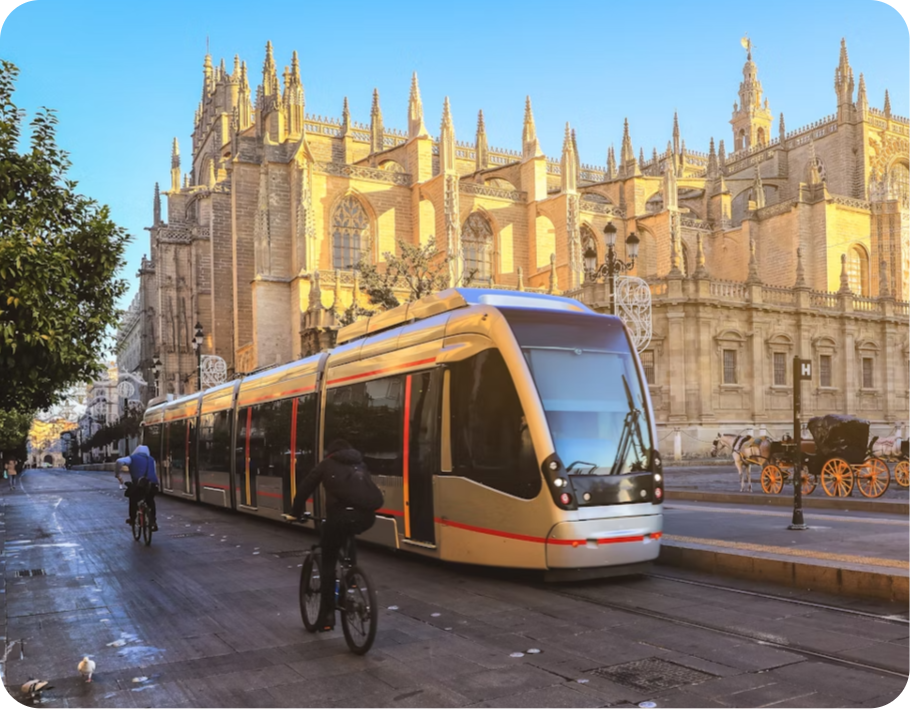

Top Attractions & Local Experiences
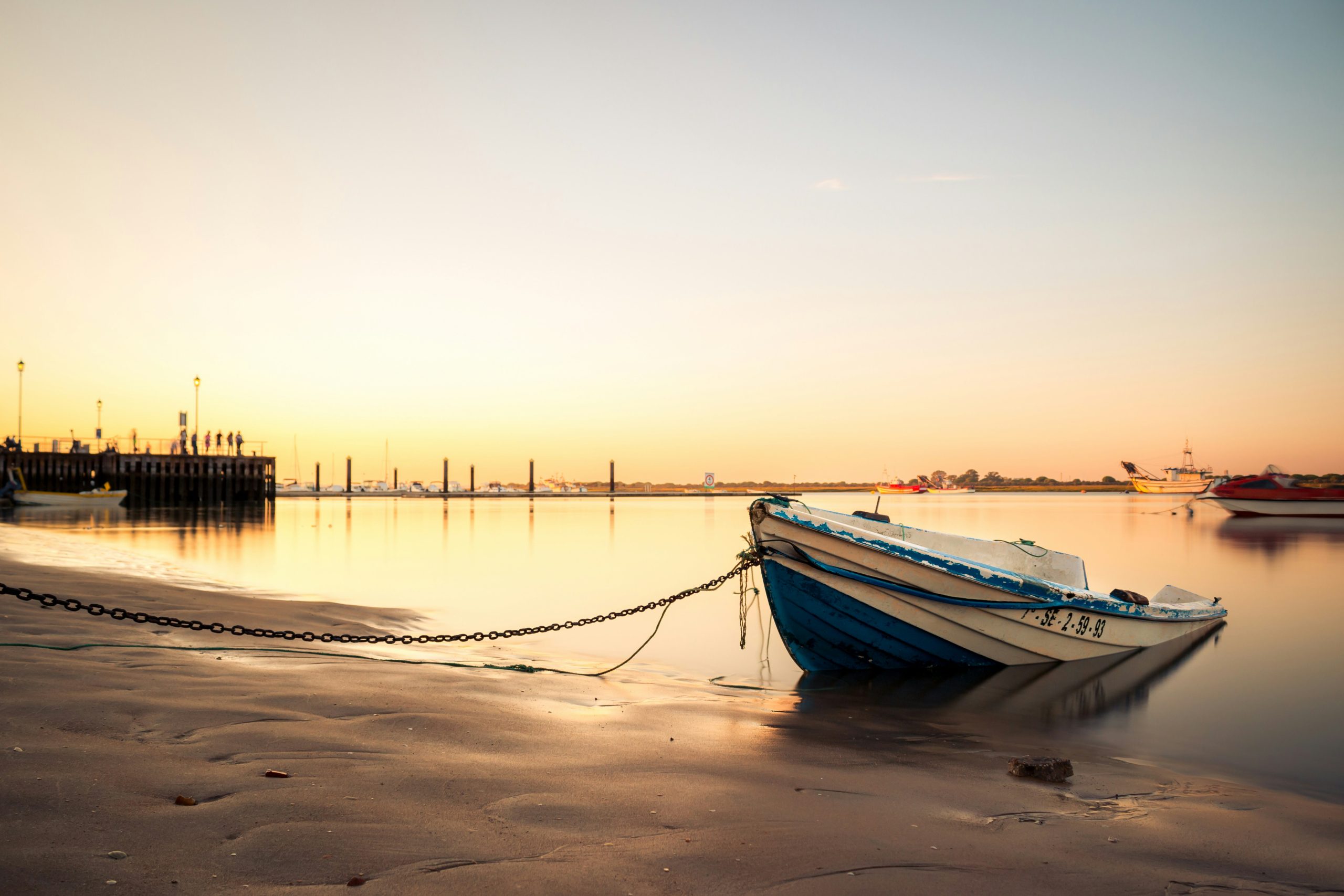
Must-Sees
- Muelle de las Carabelas – Replica ships linked to Columbus’s voyages.
- Plaza de las Monjas – Main city square and social hub.
- Catedral de la Merced – Central cathedral and landmark.
- Barrio Reina Victoria – Historic British-style neighbourhood.
- Casa Colón – Cultural centre and event space.
- Paseo de la Ría – Waterfront promenade.
- Doñana National Park – Major natural park nearby.
Local Gems
- Tapas and nightlife in Isla Chica – Student-friendly and affordable.
- Punta Umbría and Mazagón beaches – Easy day trips from the city.
- La Rábida Monastery – Historic site linked to Columbus.
- Local seafood – Especially famous white prawns.
- Colombinas Festival – Summer celebrations with concerts and fairs.
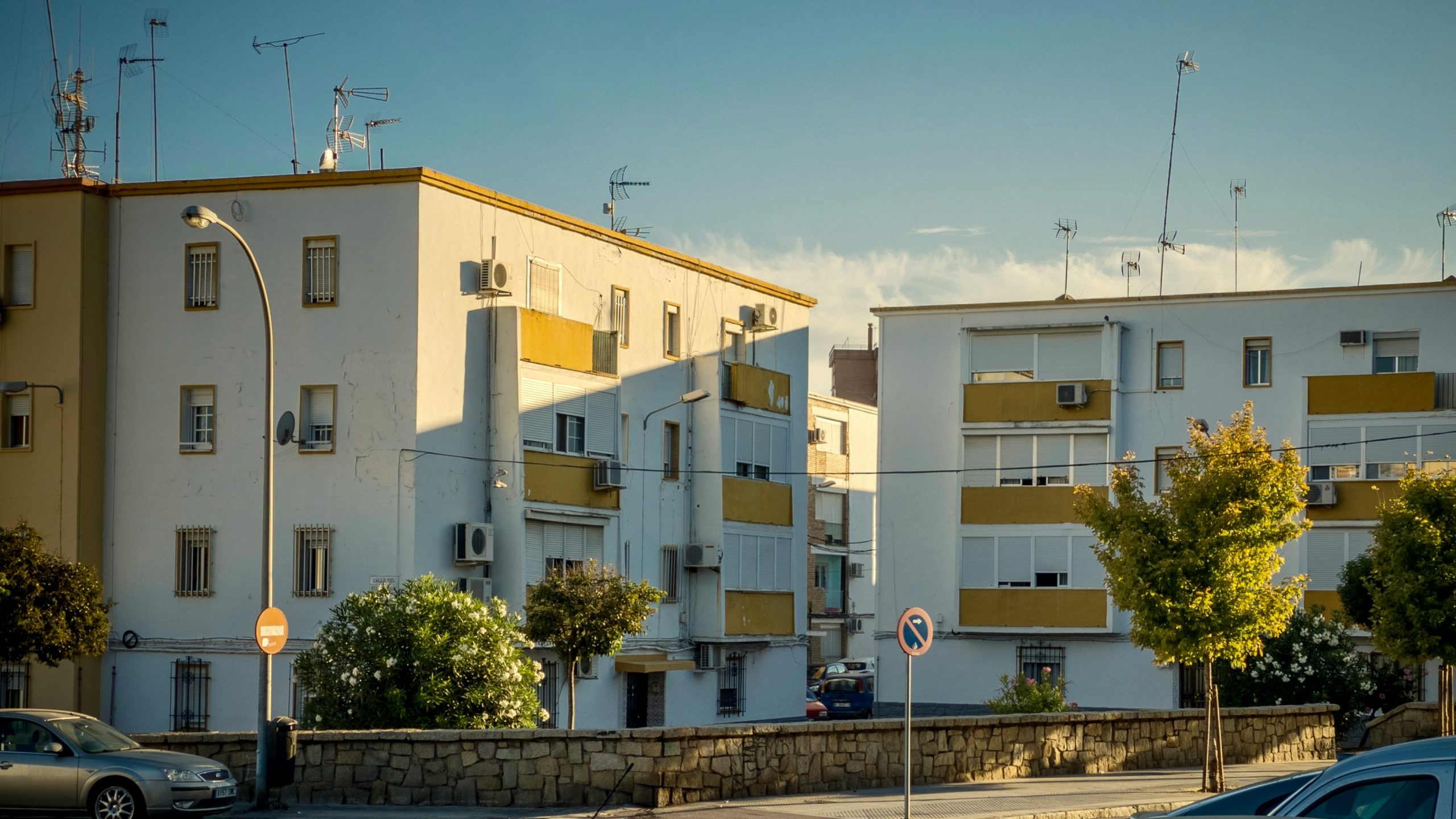
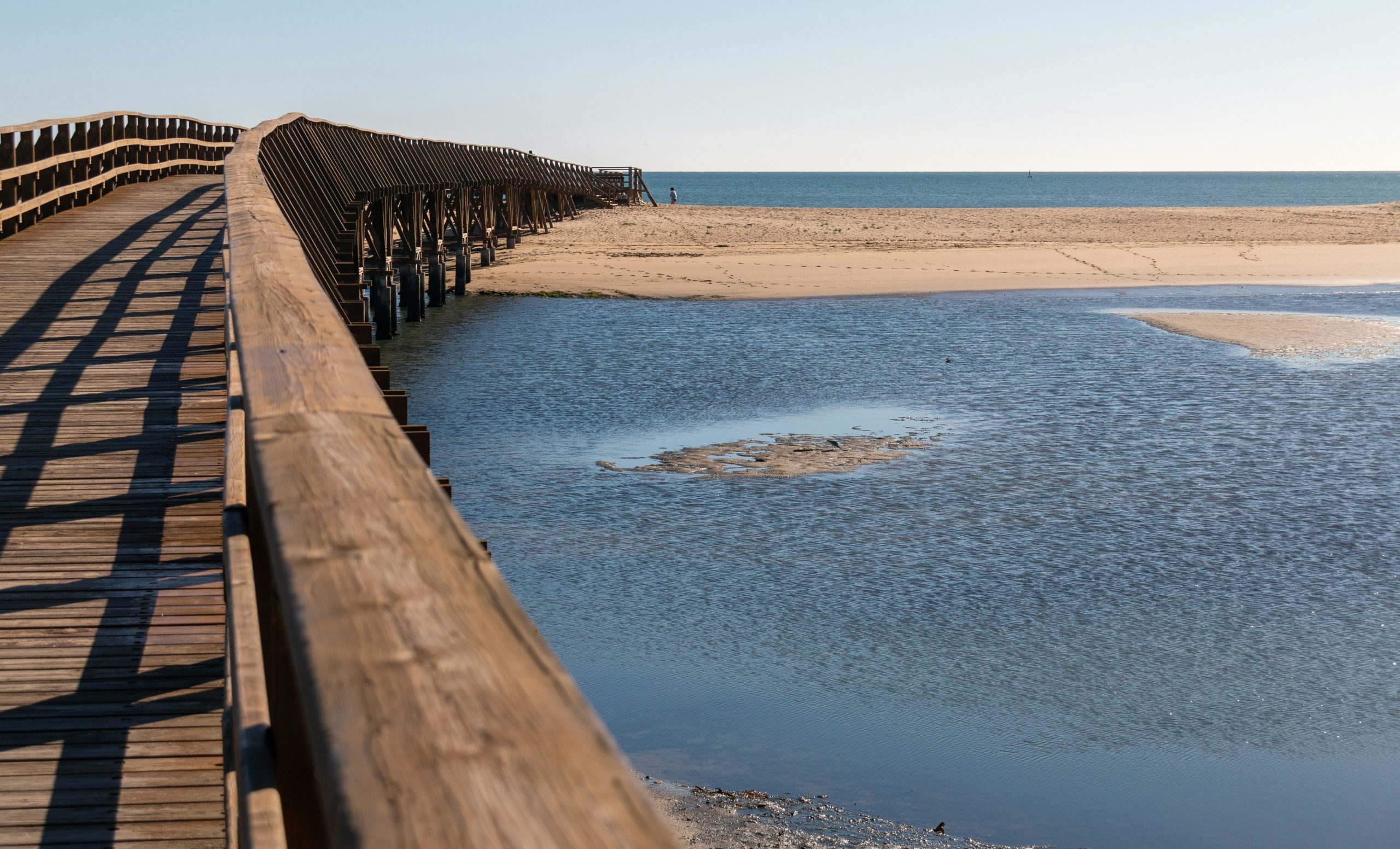
Pre-departure Essentials
Documents & Visas: EU students do not need a visa. UK and other non-EU students usually require a Spanish student visa for stays over 90 days, arranged before arrival.
Health Insurance: EU students can use an EHIC. UK students should apply for a GHIC. Non-EU students must arrange private health insurance meeting visa requirements.
Banking: CaixaBank, Santander, BBVA, and Unicaja are widely used. Online banks like Revolut or N26 are also common.
SIM Cards: SIM cards are easy to buy from Movistar, Vodafone, Orange, and MásMóvil, with monthly plans from €10–20.
Post-arrival Essentials
Registration: Students staying longer than three months must register their address at the town hall (empadronamiento). Non-EU students must also apply for a Foreigner Identity Card (TIE).
Banking & SIM: Open a Spanish bank account and purchase a local SIM if not arranged beforehand.
Health & Safety: Emergency number is 112. Pharmacies are widespread and easy to access.
Shopping: Major supermarkets include Mercadona, Carrefour, Lidl, Dia, and local markets.
Apps: Useful apps include Moovit (transport), Glovo (food delivery), Too Good To Go (discount food), and Bizum (mobile payments).