


San Sebastián (Spain)
Destination Overview
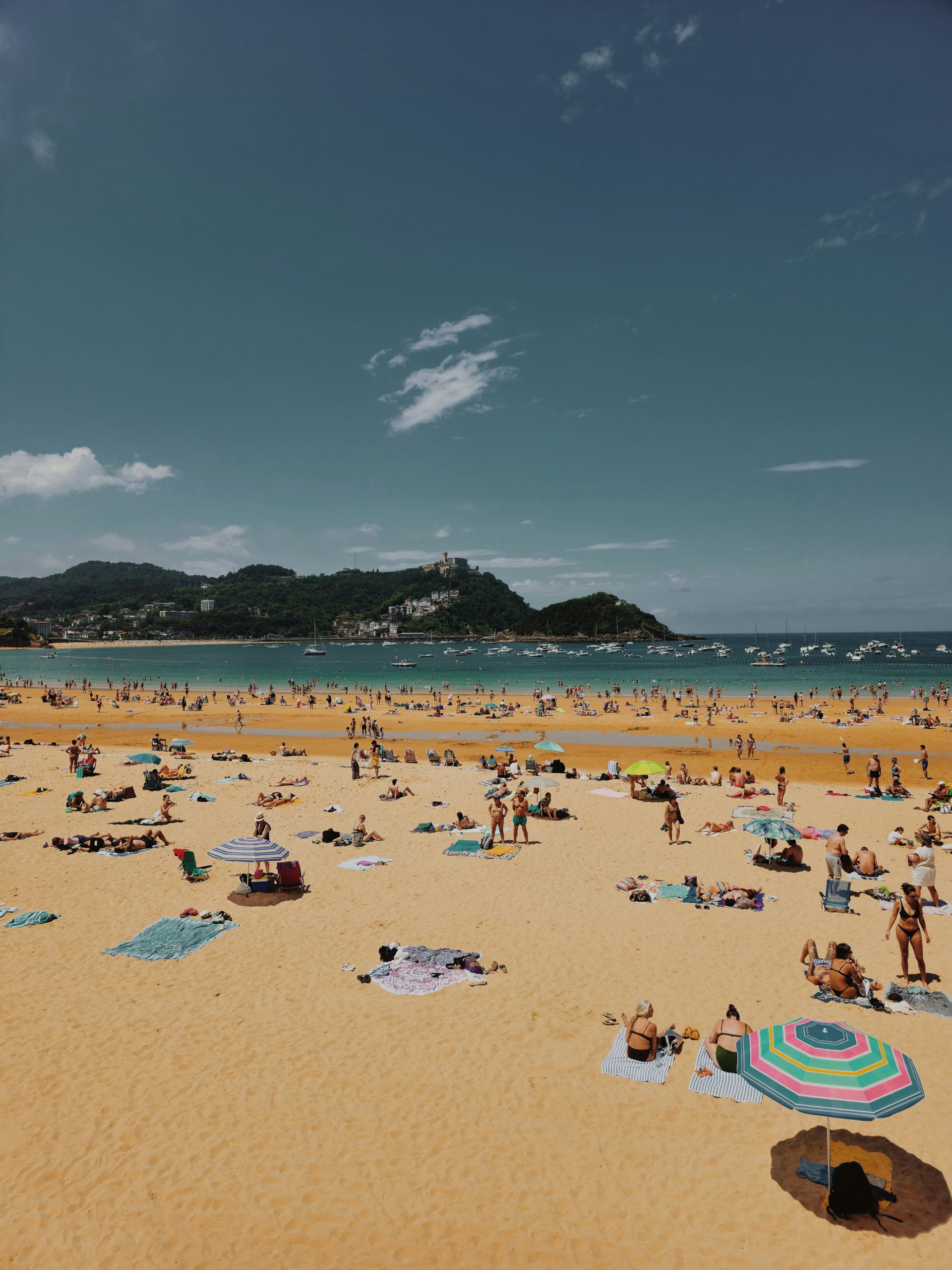
San Sebastián (Donostia in Basque) is a picturesque coastal city in northern Spain’s Basque Country. Known for its stunning bay, surfing beaches, and world-renowned food scene, it also has a small but active student population. The University of the Basque Country and various international programmes attract Spanish and international students. San Sebastián offers a high quality of life, combining a relaxed seaside lifestyle with strong Basque traditions and culture.
Quick Facts, San Sebastián

Climate
Mild oceanic climate with warm summers and frequent rainfall year-round. Summers are comfortable rather than hot.

Cost of Living
Mild oceanic climate with warm summers and frequent rainfall year-round. Summers are comfortable rather than hot.

Lifestyle
Seaside, active, and food-focused. Surfing, walking, and socialising over pintxos are part of daily life.

Vibe
Relaxed and elegant, with a strong local identity. Smaller and calmer than major cities, but socially vibrant.

Safety
Relaxed and elegant, with a strong local identity. Smaller and calmer than major cities, but socially vibrant.

Transport
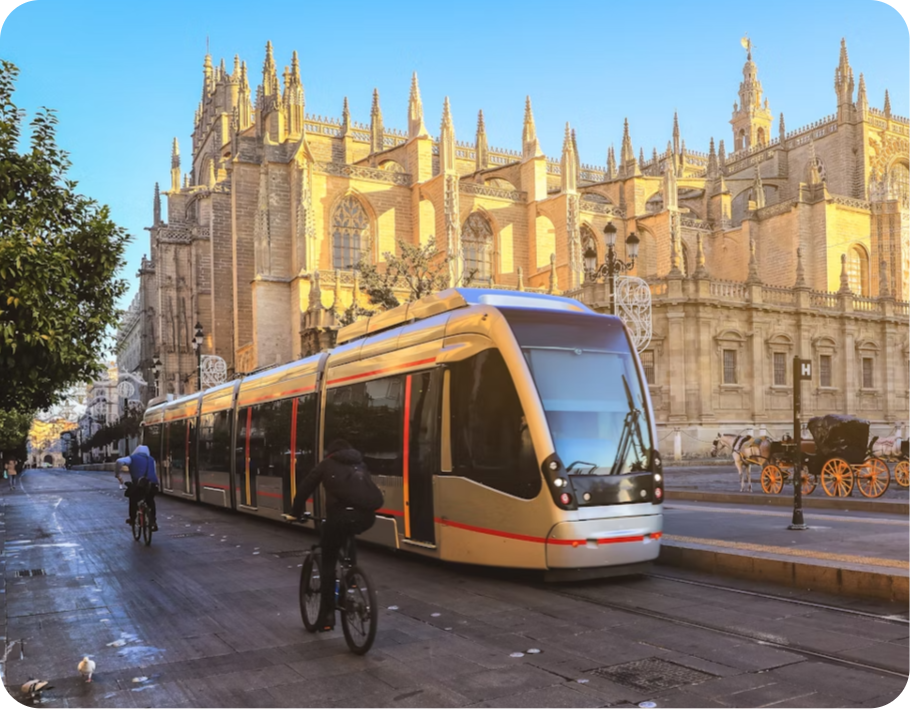
Compact and easy to navigate by foot, bus, or bike.
Areas & Neighbourhoods
1. Parte Vieja (Old Town)
▲Historic centre packed with pintxo bars, nightlife, and atmosphere. Very lively and social, but noisy, touristy, and with older housing. Better for nightlife lovers than long-term quiet living.
2. Centro
▼3. Gros
▼4. Amara
▼5. Antiguo
▼6. Egia
▼Transport
Within San Sebastián

Buses

Cycling

Walking
Domestic & International

Bus

Airport

Train
Culture & Lifestyle
Cost of Living: Higher than average for Spain. Shared flats typically cost €350–€500/month, studios €600–€800+. Eating out is pricier, with pintxos €3–4 and meals €10–15. Groceries €30–50/week.
Climate: Oceanic. Mild winters and warm summers, with regular rainfall throughout the year.
Culture: Strong Basque identity, world-famous gastronomy, and major cultural events such as the San Sebastián International Film Festival and Jazzaldia.
Social & Nightlife: Social life centres around pintxo hopping in Parte Vieja and Gros. Nightlife is lively but smaller-scale than in bigger cities, balanced by outdoor and beach culture.
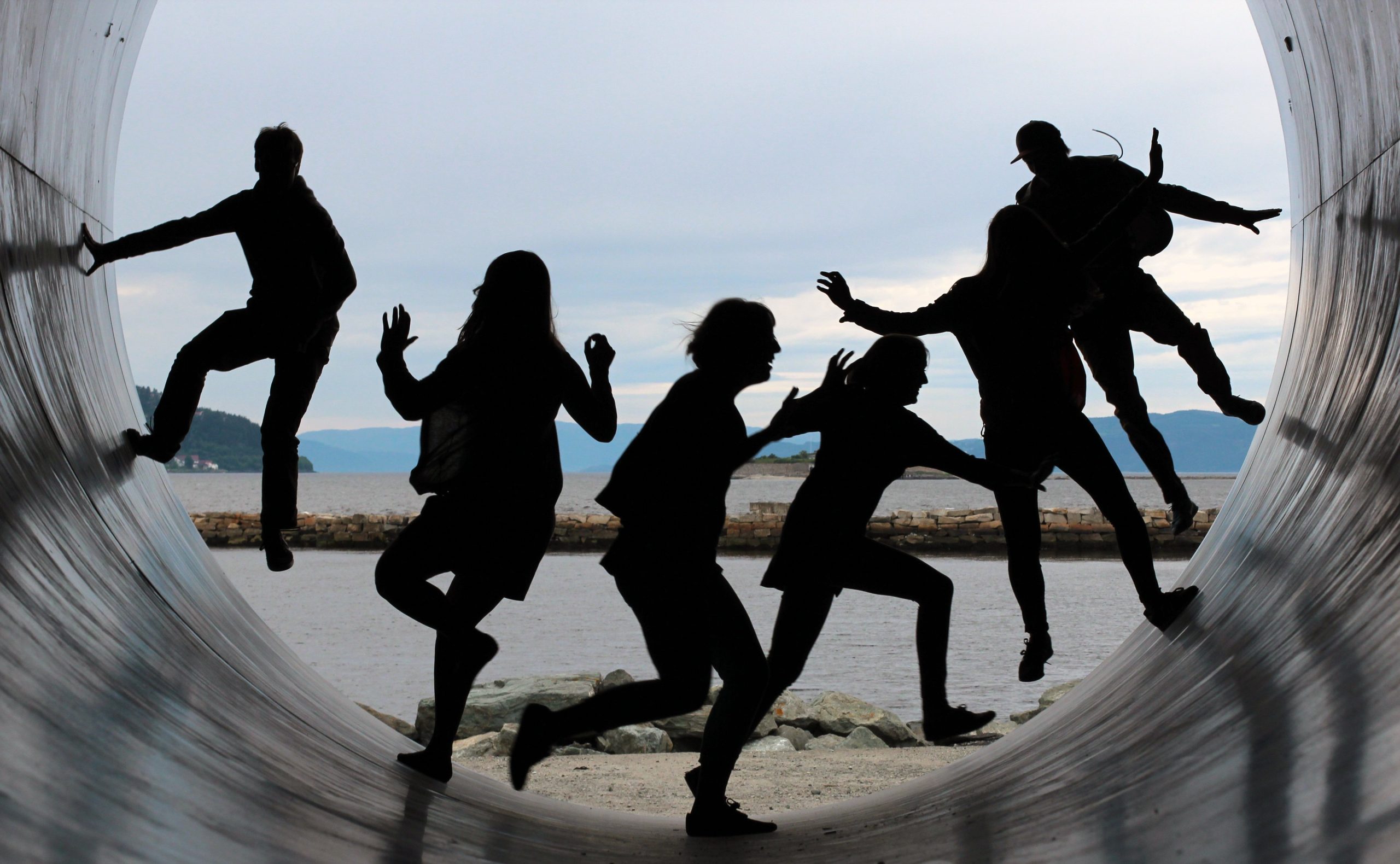
Lifestyle: Active, outdoorsy, and food-focused. Surfing, hiking, and socialising are key parts of student life.
Inclusivity & Safety
LGBTQ+ Community
San Sebastián is welcoming and inclusive, with Pride events and LGBTQ+-friendly venues. While the scene is smaller than in Madrid or Barcelona, students generally feel comfortable and accepted.




Top Attractions & Local Experiences
Must-Sees
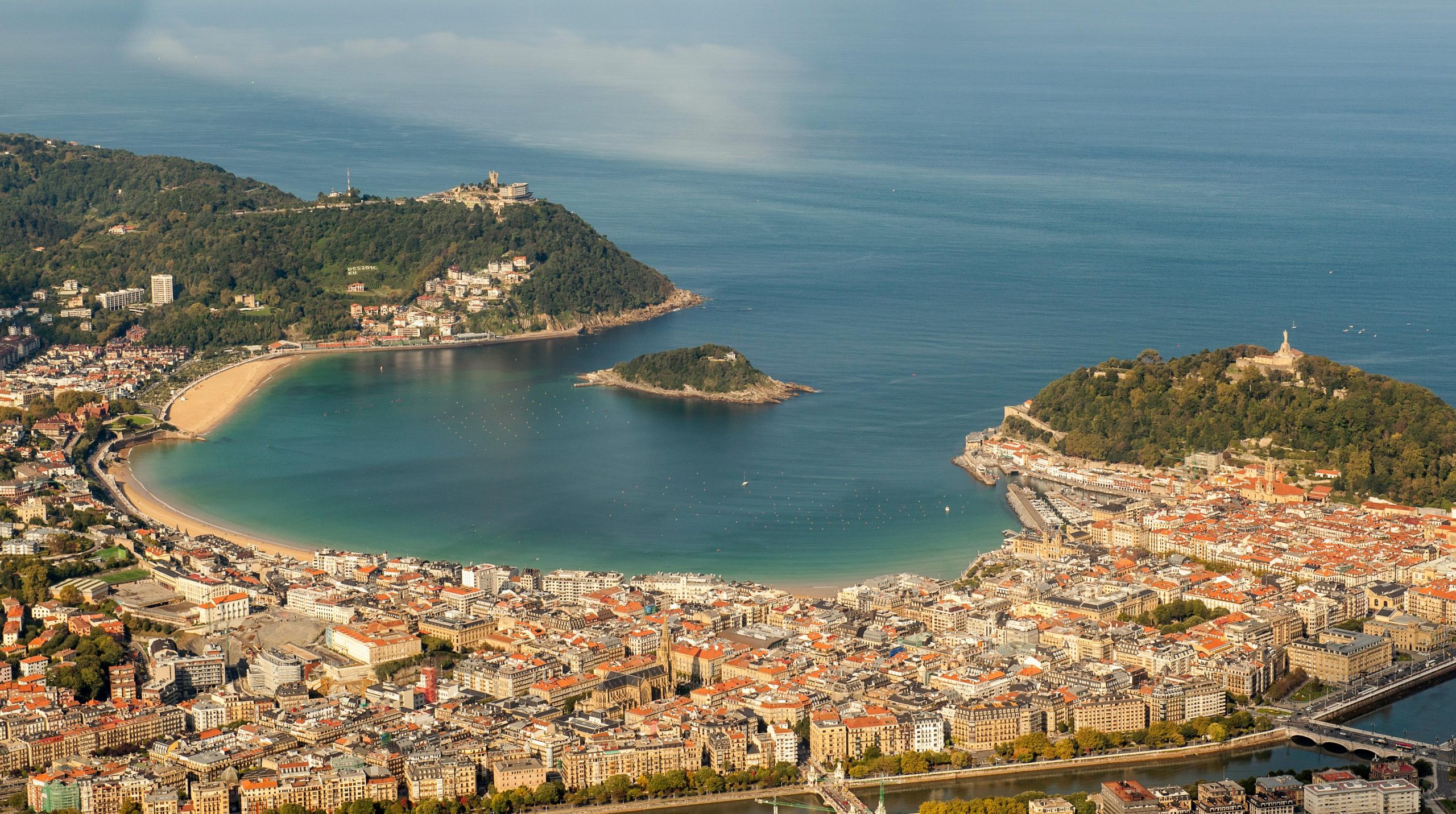
- La Concha Beach – Iconic crescent-shaped bay and city symbol.
- Parte Vieja – Historic old town and pintxo capital.
- Monte Igueldo – Funicular and panoramic city views.
- Monte Urgull – Historic fortress and coastal walking paths.
- Zurriola Beach – Surf hotspot and youthful hangout.
- San Telmo Museoa – Basque culture and history museum.
- Kursaal – Modern cultural centre and events venue.
Local Gems
- Pintxo crawls in Gros – Less touristy than the Old Town.
- Chillida Leku – Outdoor sculpture museum just outside the city.
- Ondarreta Beach – Quieter, more local beach.
- Semana Grande – Summer festival with fireworks and concerts.
- Film Festival atmosphere – City buzz during September events.
Pre-departure Essentials
Documents & Visas: EU students do not need a visa. UK and other non-EU students usually require a Spanish student visa for stays over 90 days, arranged before arrival.
Health Insurance: EU students can use an EHIC. UK students should apply for a GHIC. Non-EU students must arrange private health insurance meeting visa requirements.
Banking: BBVA, Santander, and CaixaBank are widely used. Online banks such as Revolut or N26 are also common, though a Spanish account may be needed for rent.
SIM Cards: SIM cards are easy to purchase from Movistar, Vodafone, Orange, and MásMóvil, with monthly plans from €10–20.
Post-arrival Essentials
Registration: Students staying longer than three months must register at the town hall (empadronamiento). Non-EU students must also apply for a Foreigner Identity Card (TIE).
Banking & SIM: Open a Spanish bank account and purchase a local SIM if not arranged beforehand.
Health & Safety: Carry your EHIC/GHIC or insurance details. Emergency services are accessed via 112. Pharmacies are widely available.
Shopping: Main supermarkets include Eroski, Mercadona, Carrefour, and Lidl.
Apps: Useful apps include Dbus (local buses), Euskotren (regional transport), Glovo (food delivery), Too Good To Go (discount food), and Bizum (mobile payments).