


Oviedo (Spain)
Destination Overview
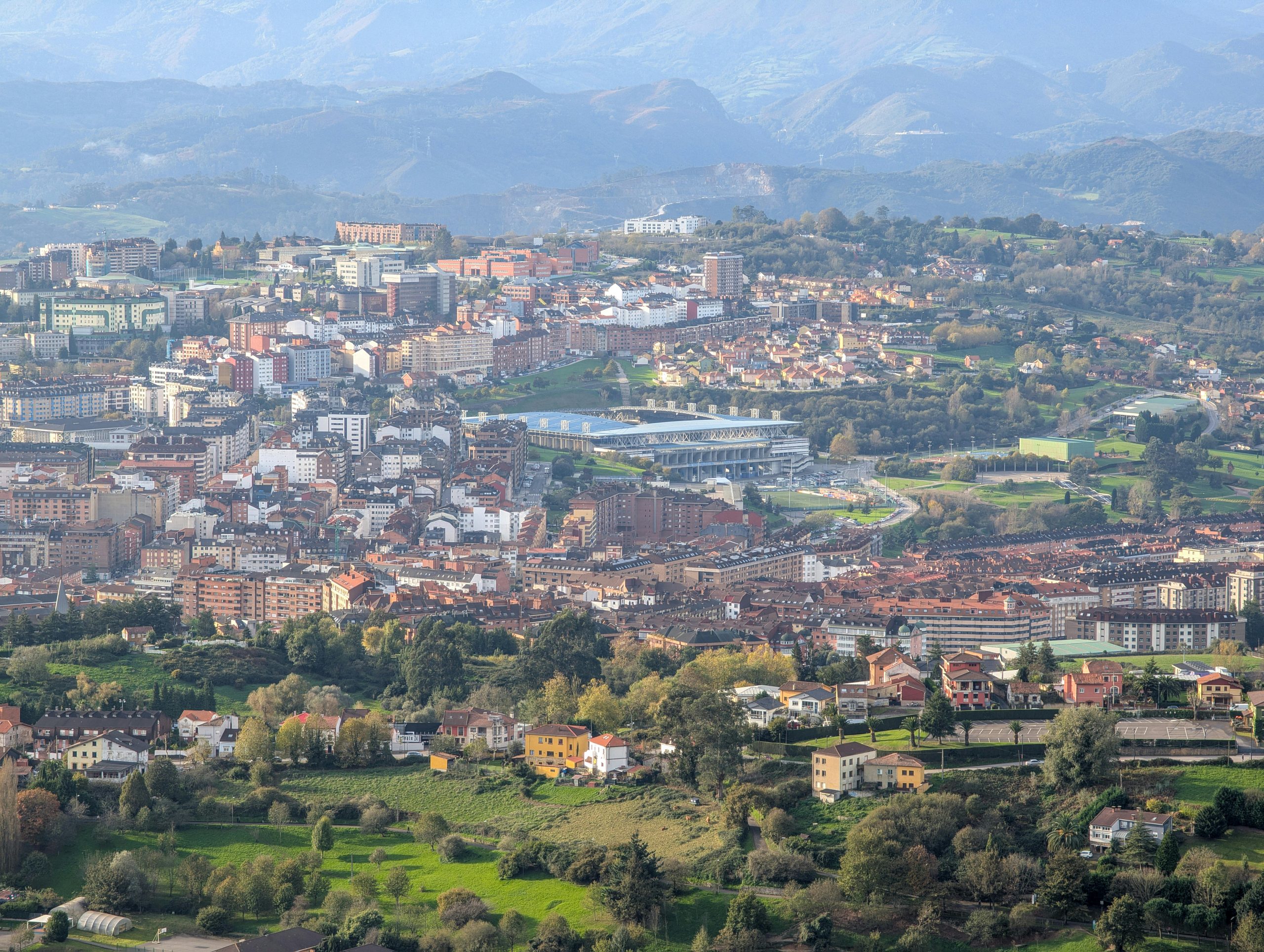
Oviedo is the capital of Asturias in northern Spain and a compact, green city known for its historic old town, cider culture, and surrounding natural beauty. Home to the University of Oviedo, the city has a strong student presence while maintaining a traditional and relaxed feel. Located between the Cantabrian Mountains and the Bay of Biscay, Oviedo offers students an affordable and welcoming experience, with easy access to beaches, hiking, and nearby cities.
Quick Facts, Oviedo

Climate
Mild summers and cool, wet winters with lots of greenery.

Cost of Living
Very affordable, with student rooms €200–€350 and groceries €25–40 per week.

Lifestyle
Relaxed, green, and traditional, with strong student life.

Vibe
Friendly, local, and community-focused.

Safety
Very safe city with low crime rates.

Transport
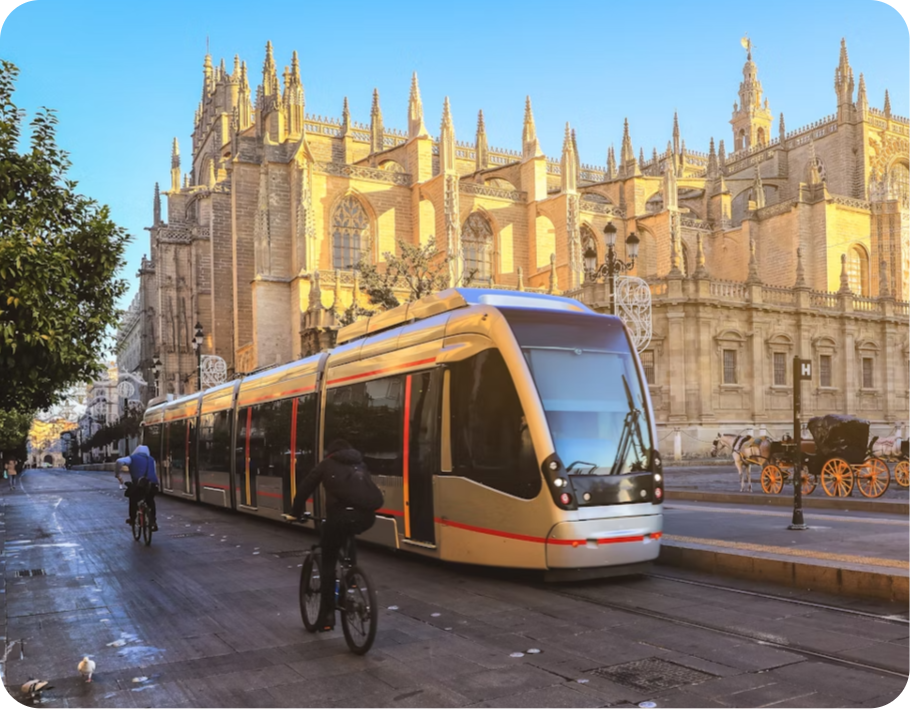
Compact and walkable, supported by an efficient local bus network.
Areas & Neighbourhoods
1. Casco Antiguo (Old Town)
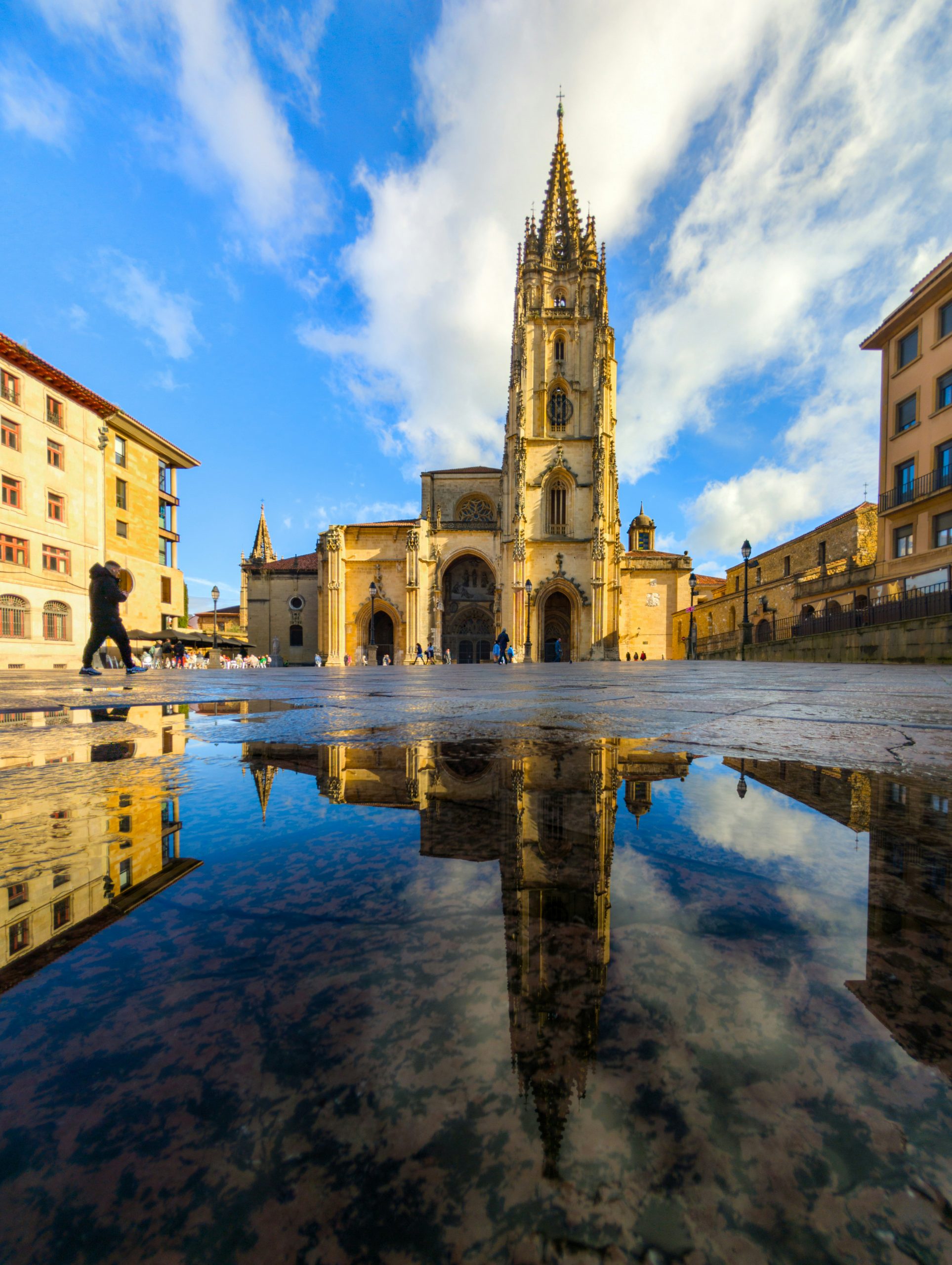
▲Historic centre around the Cathedral, with medieval streets, plazas, and traditional bars. Atmospheric and central, but more touristy and less common for long-term student living.
2. Centro
▼3. El Cristo
▼4. La Florida
▼5. Ciudad Naranco
▼6. Montecerrao
▼Transport
Within Oviedo

Buses

Walking / Cycling

Taxis
Domestic & International

Buses

Walking / Cycling

Train
Culture & Lifestyle
Cost of Living: Very affordable for students. Shared flats typically cost €200–€350 per month, studios €450–€600. Meals €8–12, coffee €1.50–2, cider or beer €2–3. Weekly groceries usually €25–40.
Climate: Oceanic climate with mild summers (22–28°C) and cool, wet winters (5–12°C). Rain is common, but the city remains lively year-round.
Culture: Strong Asturian identity, known for cider (sidra), traditional music, and UNESCO-listed pre-Romanesque churches.
Social & Nightlife: Student nightlife is centred around Calle Mon and Gascona (Cider Boulevard). Lively and social, though smaller-scale than Spain’s biggest cities.
Lifestyle: Relaxed, green, and traditional, with easy access to nature, mountains, and the coast.
Inclusivity & Safety
LGBTQ+ Community
Oviedo is generally welcoming and tolerant, with a visible but smaller LGBTQ+ community compared to Spain’s largest cities. While nightlife and dedicated venues are limited, students report feeling comfortable and accepted in everyday life, and Pride events and inclusive student spaces do exist.





Top Attractions & Local Experiences
Must-Sees
- Oviedo Cathedral – Gothic cathedral dominating the historic centre.
- San Julián de los Prados – UNESCO-listed pre-Romanesque church.
- Santa María del Naranco & San Miguel de Lillo – Iconic hilltop churches and UNESCO World Heritage sites.
- Campo de San Francisco – Large central park and social meeting spot.
- Plaza del Fontán – Traditional square and market area.
- Archaeological Museum of Asturias – Regional history and heritage.
Local Gems
- Gascona (Cider Boulevard) – Traditional sidra and tapas bars.
- University of Oviedo historic buildings – Blend of academic and architectural heritage.
- Monte Naranco viewpoint – Views over the city and countryside.
- Day trips to Gijón and coastal fishing towns – Easy seaside escapes.
- Hiking in Picos de Europa National Park – One of Spain’s most dramatic natural areas.
Pre-departure Essentials
Documents & Visas: EU students do not need a visa to study or live in Spain. UK students and other non-EU nationals usually need a Spanish student visa if staying longer than 90 days, arranged before arrival through the Spanish consulate.
Health Insurance: EU students should bring a valid EHIC. UK students should apply for a GHIC. Non-EU students must arrange private health insurance that meets visa requirements.
Banking: Spanish banks such as Santander, BBVA, and CaixaBank are widely used. Many students also use Revolut or N26, though a Spanish account may be required for rent.
SIM Cards: SIM cards are easy to buy from Movistar, Vodafone, Orange, and MásMóvil, with monthly plans from around €10–20.
Post-arrival Essentials
Registration: Students staying longer than three months must register their address at the town hall (empadronamiento). Non-EU students must apply for a Foreigner Identity Card (TIE).
Banking & SIM: Open a Spanish bank account and purchase a local SIM card if not arranged before arrival.
Health & Safety: Carry your EHIC/GHIC or insurance details. Emergency number is 112. Pharmacies are widely available.
Shopping: Major supermarkets include Mercadona, Alimerka, Carrefour, and Lidl.
Apps: Useful apps include Moovit (transport), Glovo (delivery), Too Good To Go (discount food), and Bizum (payments).