


Murcia (Spain)
Destination Overview
Murcia is a sunny and affordable student city in southeastern Spain, known for its historic Baroque architecture, relaxed Mediterranean lifestyle, and strong food culture. Home to the University of Murcia and UCAM (Universidad Católica San Antonio de Murcia), the city attracts a large Spanish and international student population. With over 300 days of sunshine a year and easy access to the Costa Cálida coastline, Murcia offers a lively yet laid-back environment that appeals to students looking for good value, warm weather, and a strong local atmosphere.
Quick Facts, Murcia

Climate
Hot and sunny, with very warm summers and mild winters.

Cost of Living
Very affordable, with student rooms typically €200–€350 and groceries €25–40 per week.

Lifestyle
Relaxed and student-led, focused on food, sunshine, and social life.

Vibe
Friendly, traditional, and youthful, with a strong local identity.

Safety
Very safe city with low crime rates.

Transport
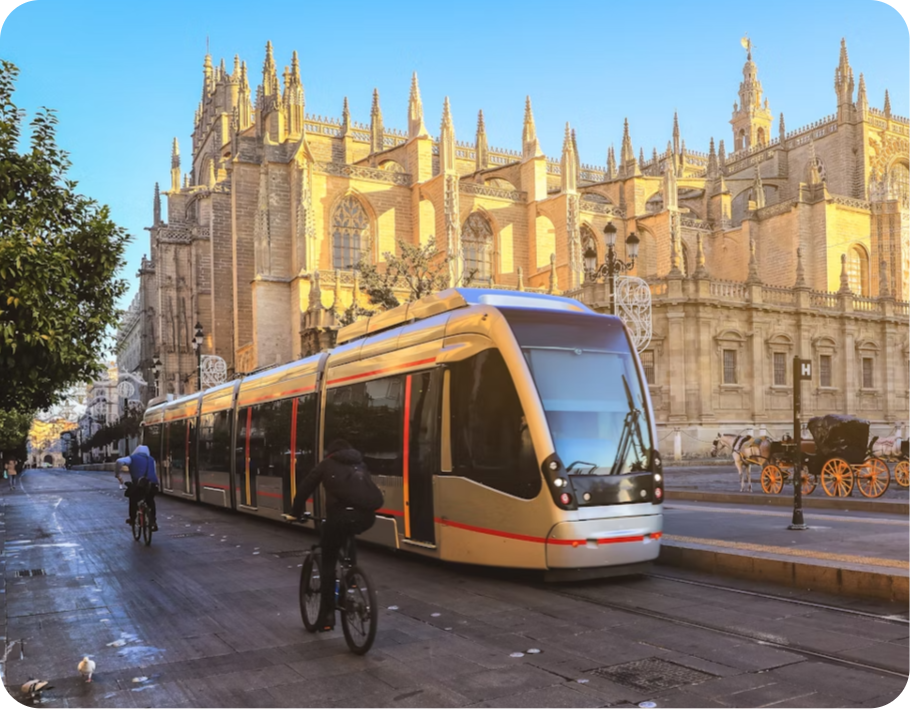
Compact city with tram, bus, and walkable centre.
Areas & Neighbourhoods
1. Centro Histórico
▲The historic heart of Murcia, centred around the Cathedral and Plaza Cardenal Belluga. Lively, cultural, and very central, with nightlife and tapas on your doorstep. Slightly more expensive than outer areas.
2. La Flota
▼3. Espinardo
▼4. El Carmen
▼5. Avenida Juan Carlos I
▼6/7. Vistabella & Infante Juan Manuel
▼Transport
Within Murcia

Buses

Trams

Walking / Cycling
Domestic & International

Bus

Airport

Train
Culture & Lifestyle
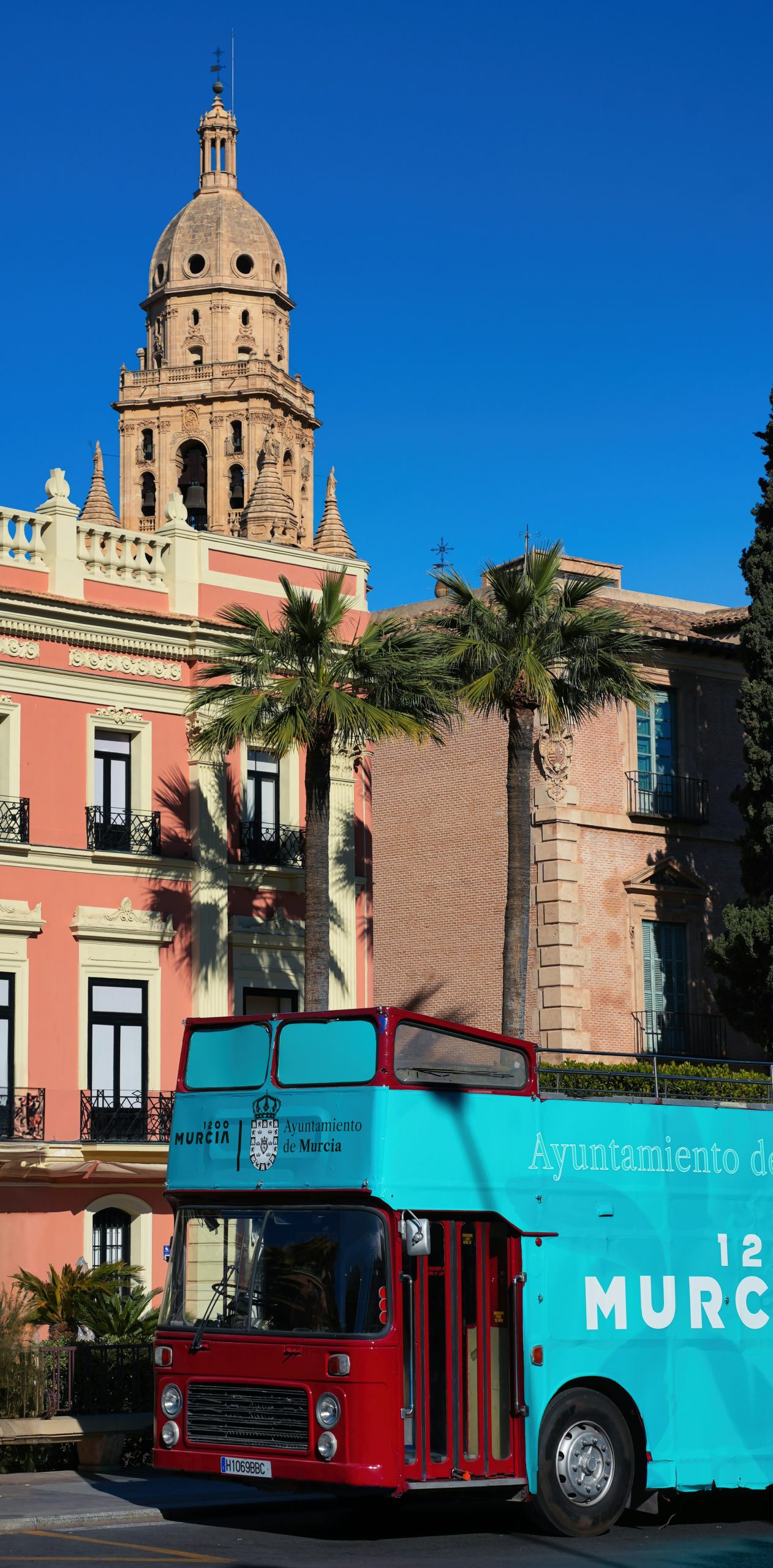
Cost of Living: Murcia is one of Spain’s most affordable student cities. Shared flats typically cost €200–€350 per month, studios €400–€600. Meals €7–10, coffee €1.50–2, beer around €2. Weekly groceries usually cost €25–40.
Climate: Semi-arid Mediterranean climate with very hot, dry summers (30–38°C) and mild winters (8–16°C). Sunshine is consistent year-round.
Culture: Known for Baroque architecture, Semana Santa processions, and traditional festivals such as the Spring Festival. Local food and tapas culture are central to daily life.
Social & Nightlife: Strong student nightlife focused around Plaza de las Flores, El Carmen, and La Flota, with tapas bars, clubs, and late-night cafés.
Lifestyle: Relaxed, sunny, and student-driven. Easy access to beaches, countryside, and nearby cities makes weekend travel simple.
Inclusivity & Safety
LGBTQ+ Community
Murcia has a welcoming student scene and a small but growing LGBTQ+ community, with inclusive venues and events.





Top Attractions & Local Experiences
Must-Sees
- Murcia Cathedral – Gothic-Baroque landmark dominating the historic centre.
- Real Casino de Murcia – Elegant historic building with cultural and social spaces.
- Plaza de las Flores – Famous tapas square and student meeting point.
- Salzillo Museum – Home to the city’s famous Semana Santa sculptures.
- Romea Theatre – Historic theatre hosting performances year-round.
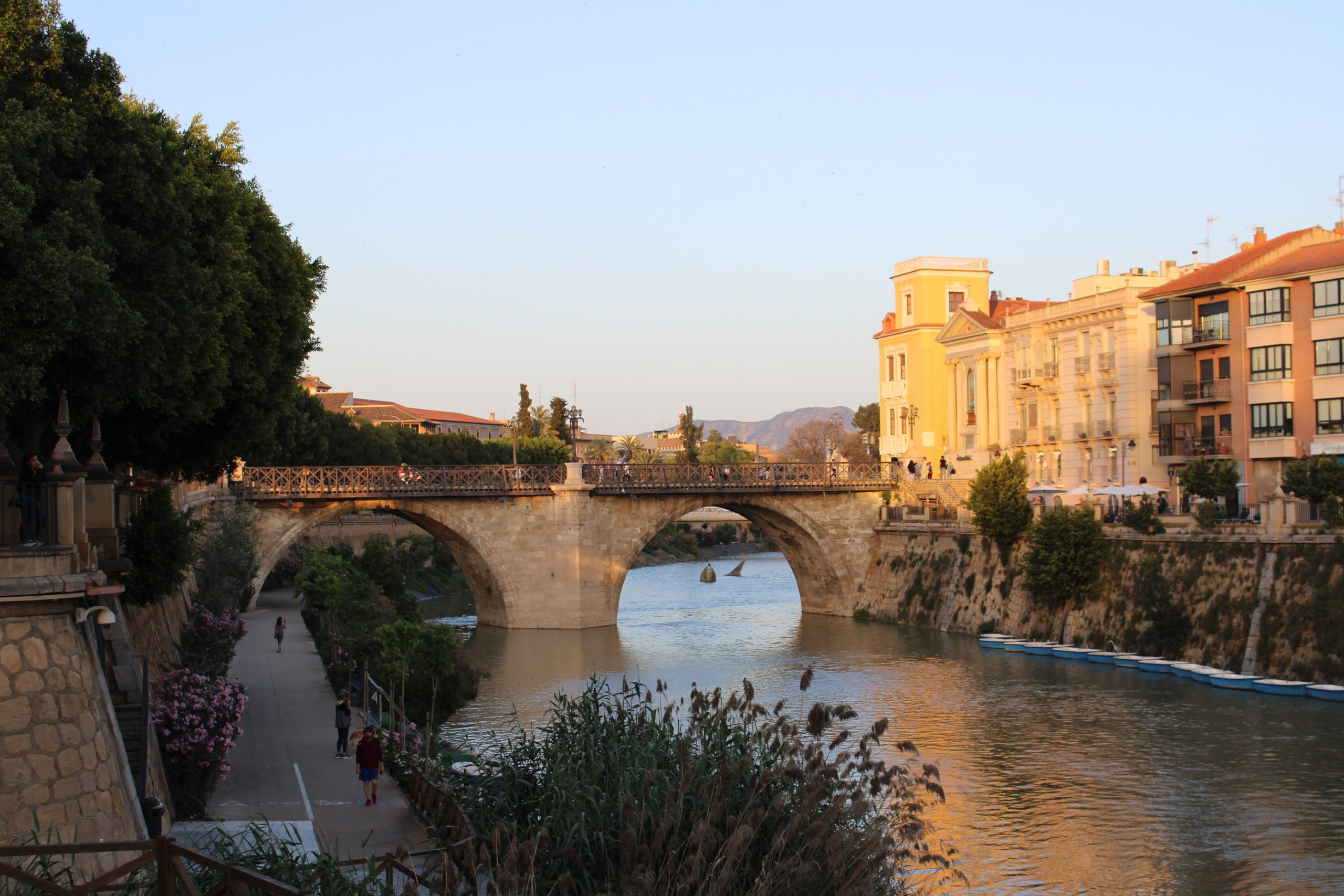
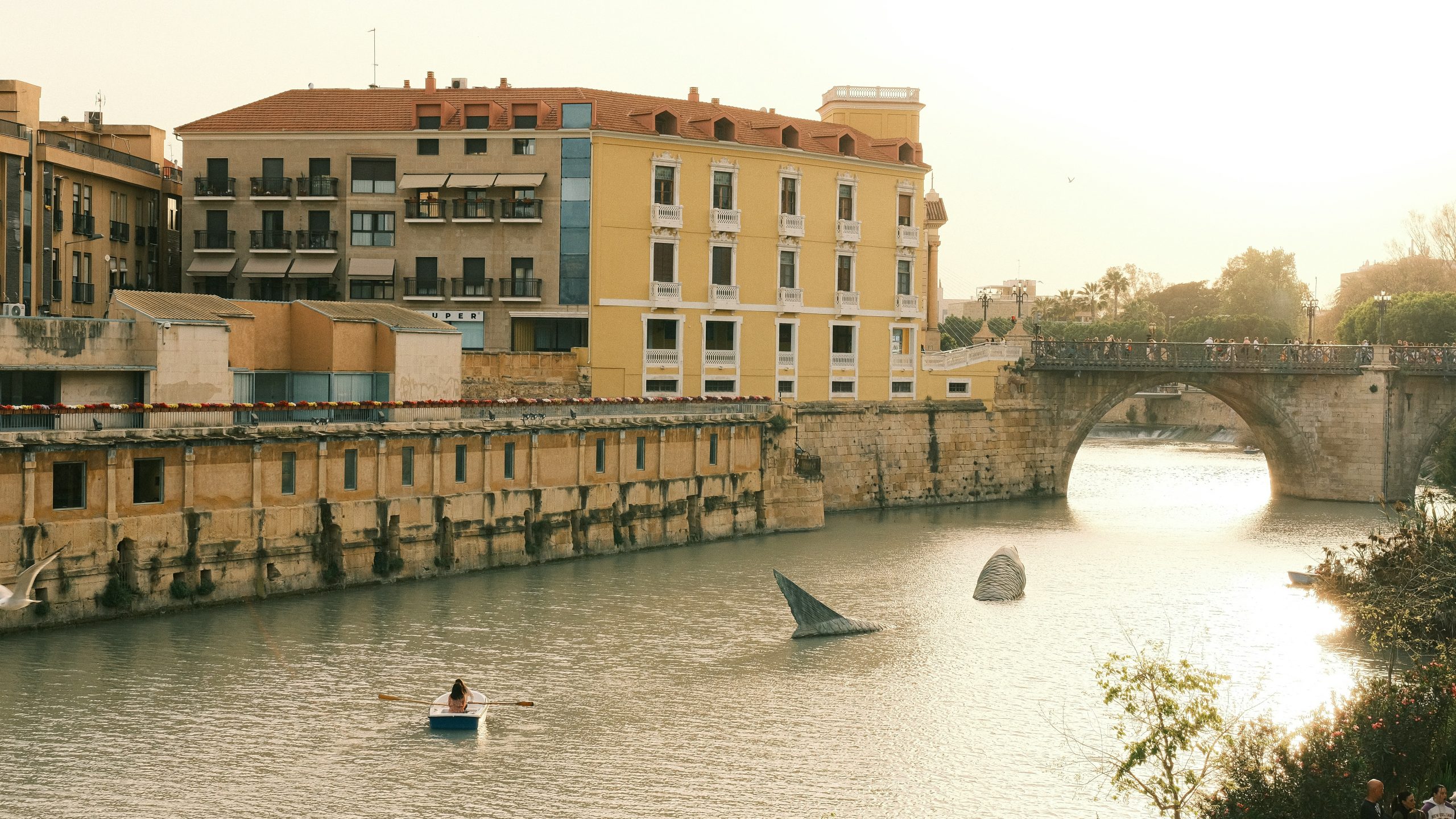
- Segura River Walks – Pleasant paths through the city centre.
- Monteagudo Castle – Hilltop fortress overlooking Murcia.
Local Gems
- Tapas in El Carmen and Plaza de las Flores – Affordable and social student favourite.
- Local markets – such as La Fama – Fresh produce and local food.
- Carrascoy and El Valle Natural Park – Hiking and nature just outside the city.
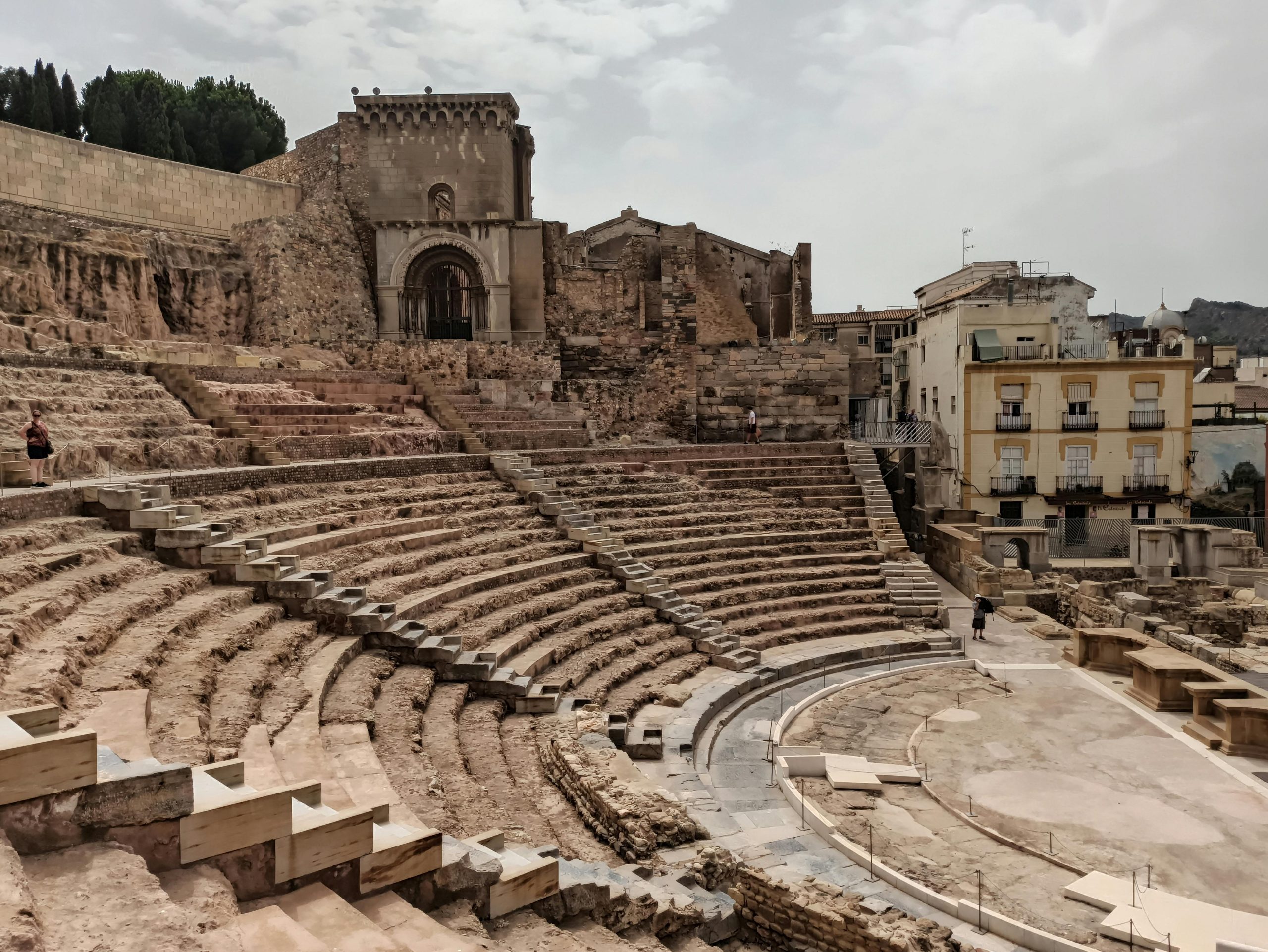
- Costa Cálida day trips – Beaches in Cartagena, La Manga, and Mazarrón.
- Terra Natura Murcia – Zoo and water park popular for day trips.
Pre-departure Essentials
Documents & Visas: EU students do not need a visa to study or live in Spain. UK students and other non-EU nationals usually need a Spanish student visa if staying longer than 90 days, arranged before arrival through the Spanish consulate.
Health Insurance: EU students should bring a valid EHIC. UK students should apply for a GHIC. Non-EU students must arrange private health insurance that meets visa requirements.
Banking: Spanish banks such as Santander, BBVA, and CaixaBank are widely used. Many students also use Revolut or N26, though a Spanish account may be required for rent.
SIM Cards: SIM cards are easy to buy from Movistar, Vodafone, Orange, and MásMóvil, with monthly plans from around €10–20.
Post-arrival Essentials
Registration: Students staying longer than three months must register their address at the town hall (empadronamiento). Non-EU students must apply for a Foreigner Identity Card (TIE).
Banking & SIM: Open a Spanish bank account and purchase a local SIM card if not arranged before arrival.
Health & Safety: Carry your EHIC/GHIC or insurance details. Emergency number is 112. Pharmacies are widespread.
Shopping: Major supermarkets include Mercadona, Consum, Carrefour, Dia, and Lidl.
Apps: Useful apps include Moovit (transport), Glovo (delivery), Too Good To Go (discount food), and Bizum (payments).