


Valencia (Spain)
Destination Overview
Valencia is Spain’s third-largest city, set on the Mediterranean coast and known for its mix of historic charm and modern design. Famous for paella, futuristic architecture, and lively festivals, the city offers a balance of tradition and innovation. With a sunny climate, affordable cost of living, and a student-friendly atmosphere, Valencia is a welcoming choice for international students seeking both culture and community.
Quick Facts, Valencia

Climate
Warm and sunny year-round, with hot summers and mild winters.

Cost of Living
Affordable for a coastal city, with student rooms €250–€400 and groceries €25–45 per week.

Lifestyle
Beach-focused, relaxed, and outdoorsy, with strong student and expat communities.

Vibe
International, social, and laid-back, blending tradition with modern living.

Safety
Generally very safe, with low crime rates and busy public areas.

Transport
Good public transport, a walkable centre, and excellent rail and air connections.
Areas & Neighbourhoods
1. El Carmen (Ciutat Vella / Old Town)
▲The historic heart of Valencia, with plazas, narrow streets, landmarks, and buzzing nightlife. A hotspot for Erasmus students, known for its energy, street art, and cultural scene. Tourist-heavy and noisy in parts, with older housing.
2. Ruzafa (Russafa, Eixample)
▼3. El Cabanyal (Poblats Marítims)
▼4. Benimaclet
▼5/6. Pla del Remei / Gran Vía
▼7/8. Arrancapins / Extramurs
▼9. Algirós
▼Transport
Within Valencia

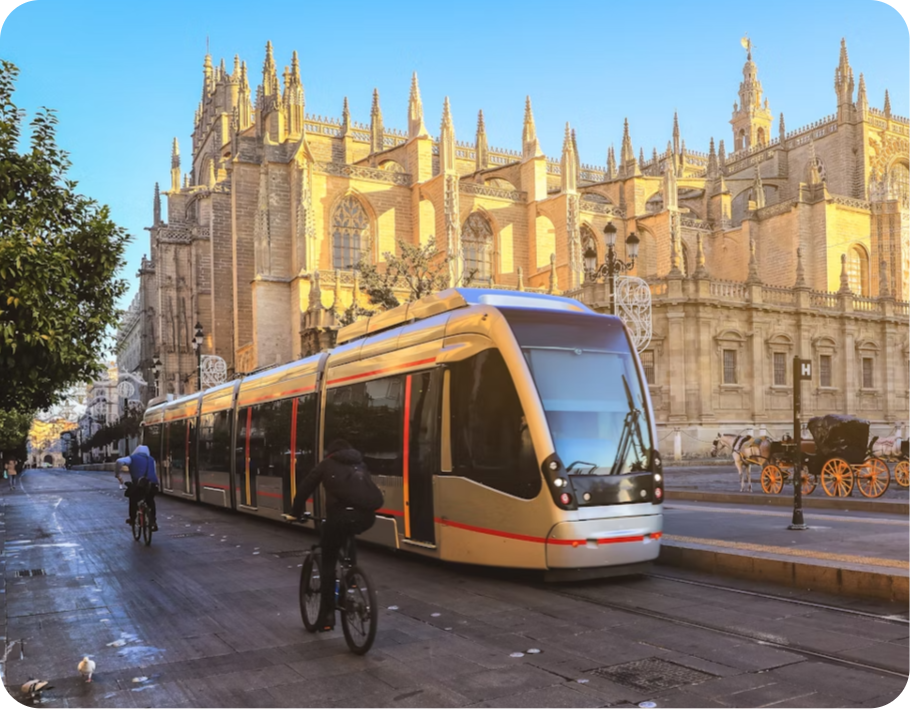
Metro / Tram

Buses

Bikes / E-scooters
Domestic & International

Bus

Airport

Train
Culture & Lifestyle
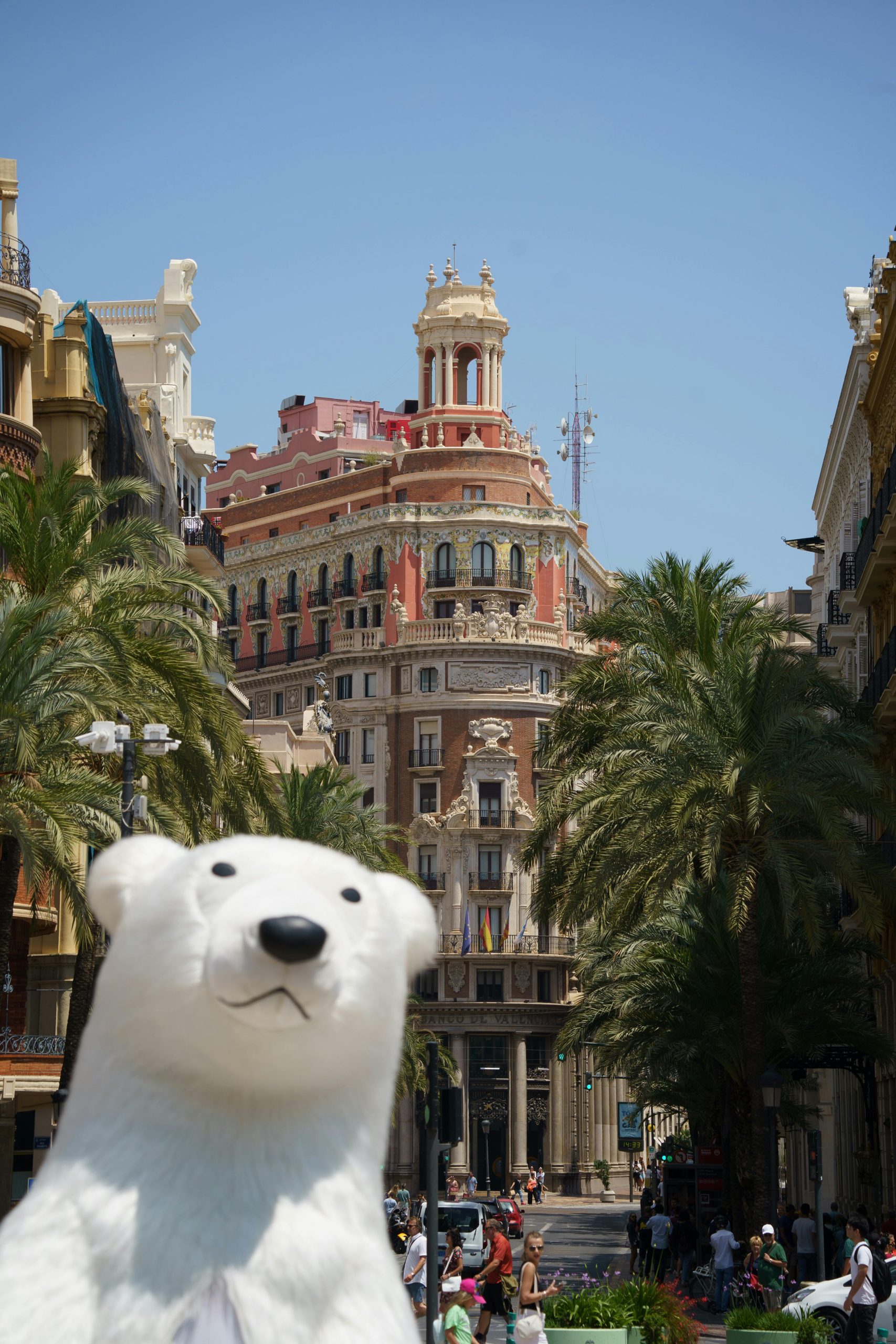
Cost of Living: More affordable than Madrid or Barcelona. Room rentals average €350–€600/month, studios €700–€900. Eating out is cheap: tapas from €2–3, coffees around €1.50. Groceries average €35–45 per week.
Climate: Mediterranean weather with hot summers (30–35°C), mild winters (10–17°C), and plenty of sunshine year-round. Spring and autumn are especially pleasant.
Culture: Known for the Fallas festival, paella, and a thriving arts scene. Mix of historic Gothic buildings, modern museums, and creative districts.
Social & Nightlife: Vibrant but relaxed. Tapas bars, terraces, beach clubs, and music festivals. Student-friendly and sociable. The city comes alive during Las Fallas, when neighbourhoods host street parties, bonfires, and fireworks late into the night
Lifestyle: Walkable, bike-friendly, and close to both beach and countryside. Laid-back pace with a strong outdoor culture.
Inclusivity & Safety
LGBTQ+ Community
Valencia is LGBTQ+ friendly, with inclusive nightlife, Pride celebrations, and welcoming social spaces, particularly around Ruzafa.





Top Attractions & Local Experiences
Must-Sees
- City of Arts and Sciences – Iconic futuristic complex of museums, aquarium, and concert halls.
- Valencia Cathedral & El Miguelete – Historic cathedral with panoramic views from the bell tower.
- La Lonja de la Seda – UNESCO-listed Gothic silk exchange.
- Mercado Central – Bustling modernist market with fresh produce and tapas.
- Turia Gardens – 9 km green park created in a former riverbed.
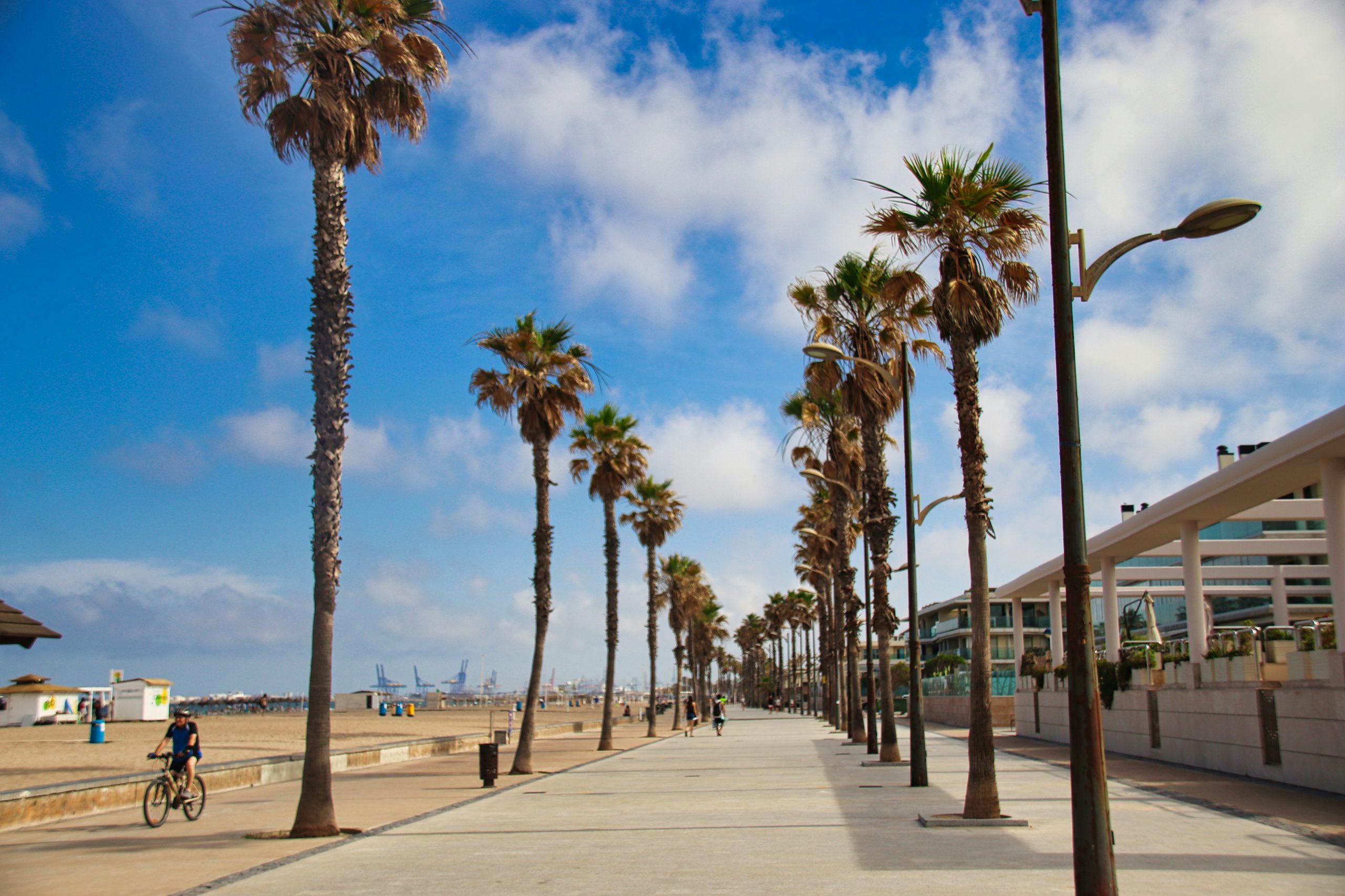
- Malvarrosa Beach – Wide sandy beach close to the city centre.
Local Gems
- El Cabanyal district – Colourful houses, local bars, and authentic seafood.
- Albufera Natural Park – Rice fields, lake views, and boat trips just outside the city.
- Ruzafa nightlife – Independent bars, live music, and student-friendly cafés.
- Horchata in Alboraya – Traditional tiger nut drink in its hometown.
- Street art in El Carmen – Murals and alternative culture in the old quarter.
- Patacona Beach – Just north of Malvarrosa, is a favourite for young crowds thanks to its trendy beach bars and relaxed vibe.


Pre-departure Essentials
Documents & Visas: EU students do not need a visa to study or live in Spain. UK students and other non-EU nationals usually need a Spanish student visa if staying longer than 90 days, which must be arranged before arrival through the Spanish consulate. Non-EU young professionals normally require a work visa organised in advance by their employer.
Health Insurance: EU students can use a valid EHIC. UK students should apply for a GHIC. Non-EU students must arrange private health insurance that meets Spanish visa requirements and covers the full stay.
Banking: Spanish banks such as Santander and CaixaBank are widely used. Many students also use online banks like Revolut or N26, though a Spanish account may be required for rent or contracts.
SIM Cards: Unlocked phones work well in Spain. SIM cards are easy to buy from Movistar, Vodafone, and Orange, with pay-as-you-go or monthly plans starting from around €10–15.
Post-arrival Essentials
Registration: Students staying longer than three months must register their address at the local town hall (empadronamiento). Non-EU students also need to apply for a Foreigner Identity Card (TIE) shortly after arrival.
Banking & SIM: If not arranged before departure, students should open a Spanish bank account and purchase a local SIM card once in Valencia.
Health & Safety: Carry your EHIC/GHIC or insurance details at all times. Once settled, locate your nearest public health centre and pharmacy. Emergency services are accessed via 112.
Shopping: Major supermarkets include Mercadona, Dia, and Carrefour. Many shops close on Sundays.
Apps: Useful apps include Moovit (public transport), Glovo (food delivery), Wallapop (second-hand items), and Bizum (mobile payments).