


Barcelona (Spain)
Destination Overview
Barcelona, the capital of Catalonia, is Spain’s second-largest city and a global hub for culture, design, and the Mediterranean lifestyle. Known for Gaudí’s architecture, its seaside location, and cosmopolitan character, Barcelona combines history with innovation. It’s a lively, student-friendly city, though busier and more expensive than many other Spanish destinations.
Quick Facts, Barcelona

Climate
Barcelona has a warm Mediterranean climate, with hot summers, mild winters, and plenty of sunshine throughout the year.

Cost of Living
Living costs are higher than most Spanish cities, with rooms typically ranging from €600–€900 and weekly groceries averaging around €45–€60.

Lifestyle
The city offers a balance of beach life and urban living, with a walkable centre, excellent public transport, and a strong focus on outdoor social life.

Vibe
Barcelona is creative, international, and energetic, combining student life with culture, design, and a relaxed Mediterranean atmosphere.

Safety
Barcelona is generally safe, but pickpocketing is common in busy central and tourist areas, so awareness in crowded spaces is important.

Transport
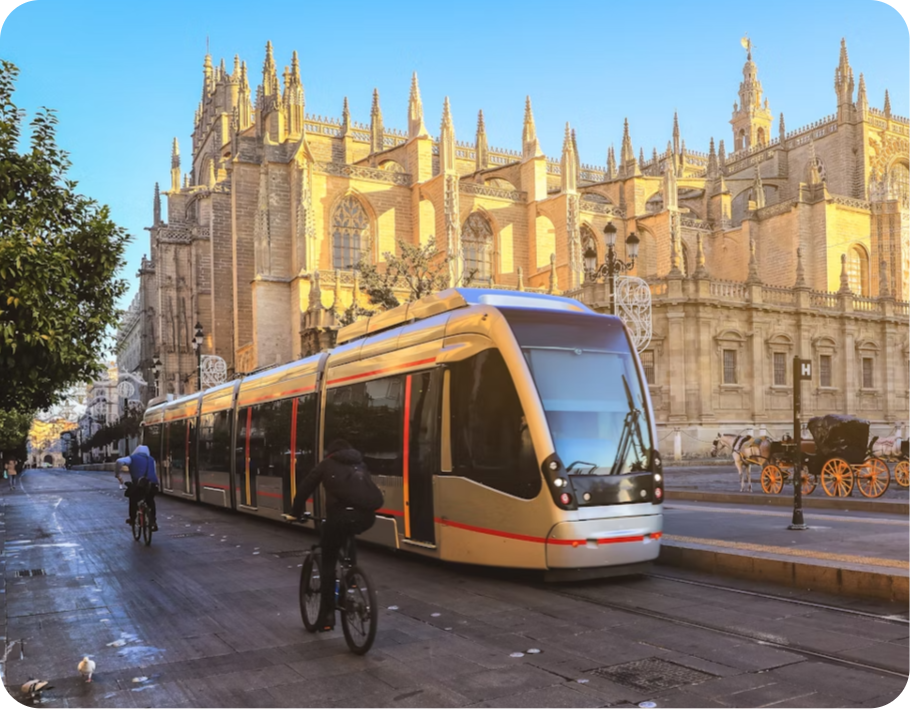
Barcelona has an extensive metro, bus, tram, and train network, making it easy to move around the city and travel across Spain and beyond.
Areas & Neighbourhoods
1. Barri Gòtic (Gothic Quarter)
▲The historic heart of the city, with narrow medieval streets, plazas, and landmarks. Very lively day and night, but tourist-heavy, noisy, and with older housing. Less common for long-term student living.
2. El Born
▼3. Eixample
▼4. Gràcia
▼5. El Raval
▼6. Poblenou
▼7. Sant Antoni
▼8/9. Les Corts / Sants
▼10. Vila Olímpica
▼Transport
Within Barcelona

Metro

Buses & Trams

Cycling

Walking / Scooters
Domestic & International

Bus

Airport

Train
Culture & Lifestyle
Cost of Living: More expensive than most Spanish cities. Shared flats €600–€900/month (central areas can exceed €900), studios €1,100–€1,300+. Eating out varies: tapas €3–5, coffee €2–3. Groceries average €45–60 per week.
Climate: Warm Mediterranean weather. Hot summers (28–32°C), mild winters (10–15°C), and sunny spring and autumn.
Culture: Gaudí’s architecture, Catalan traditions, world-class museums, and festivals like La Mercè. Football culture is strong with FC Barcelona. While Spanish is spoken everywhere, Catalan is widely used in signage, daily life, and universities—knowing a few words goes a long way.
Social & Nightlife: Famous nightlife with beach clubs, tapas crawls, festivals, and rooftop terraces. Social life runs late into the night.
Lifestyle: Mix of seaside relaxation and urban bustle. Walkable centre, extensive public transport, and emphasis on outdoor living.
Inclusivity & Safety
LGBTQ+ Community
Very inclusive, with Gaixample district, Pride events, and open nightlife.





Top Attractions & Local Experiences
Must-Sees
- Sagrada Família – Gaudí’s iconic unfinished basilica.
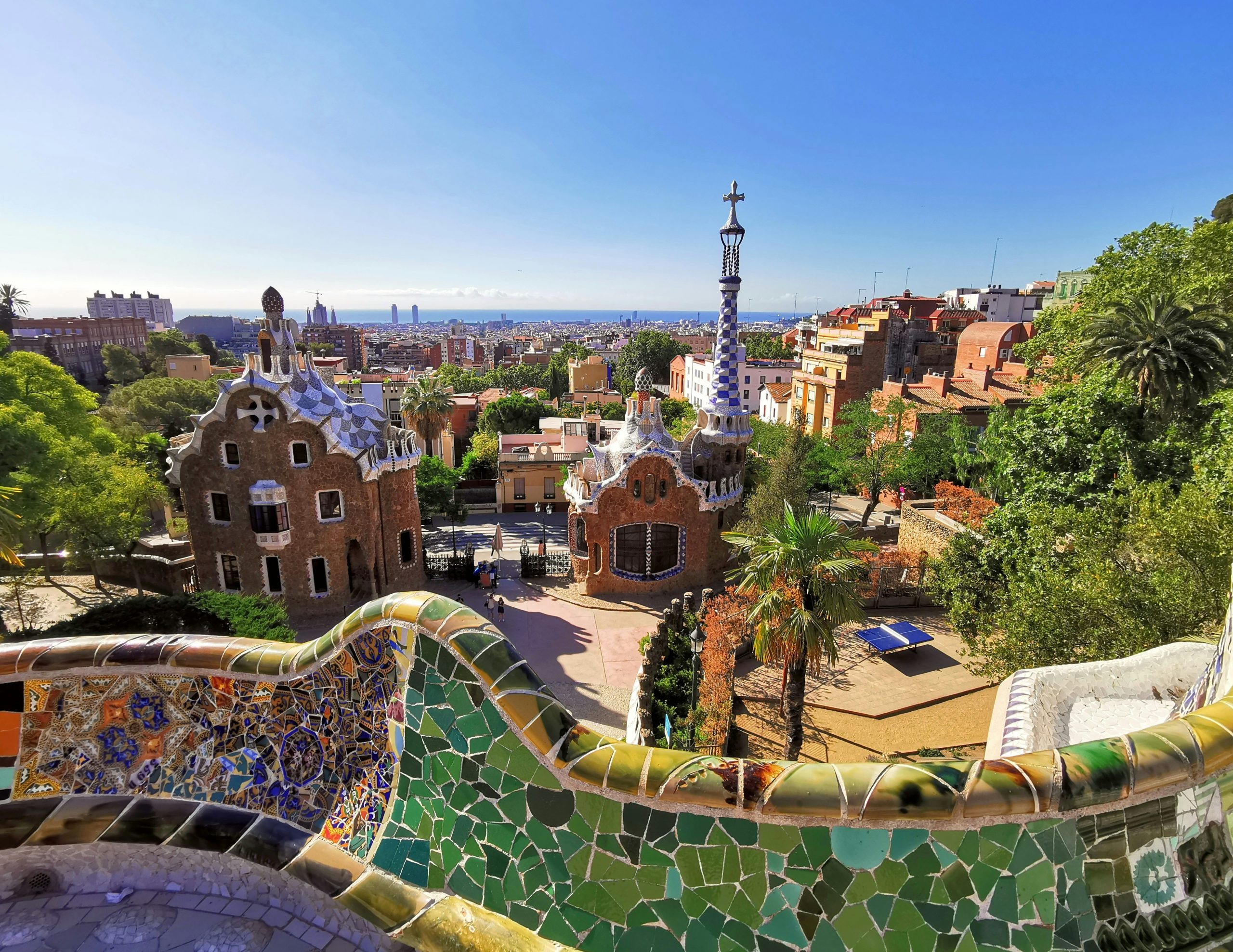
- Park Güell – Colorful park designed by Gaudí.
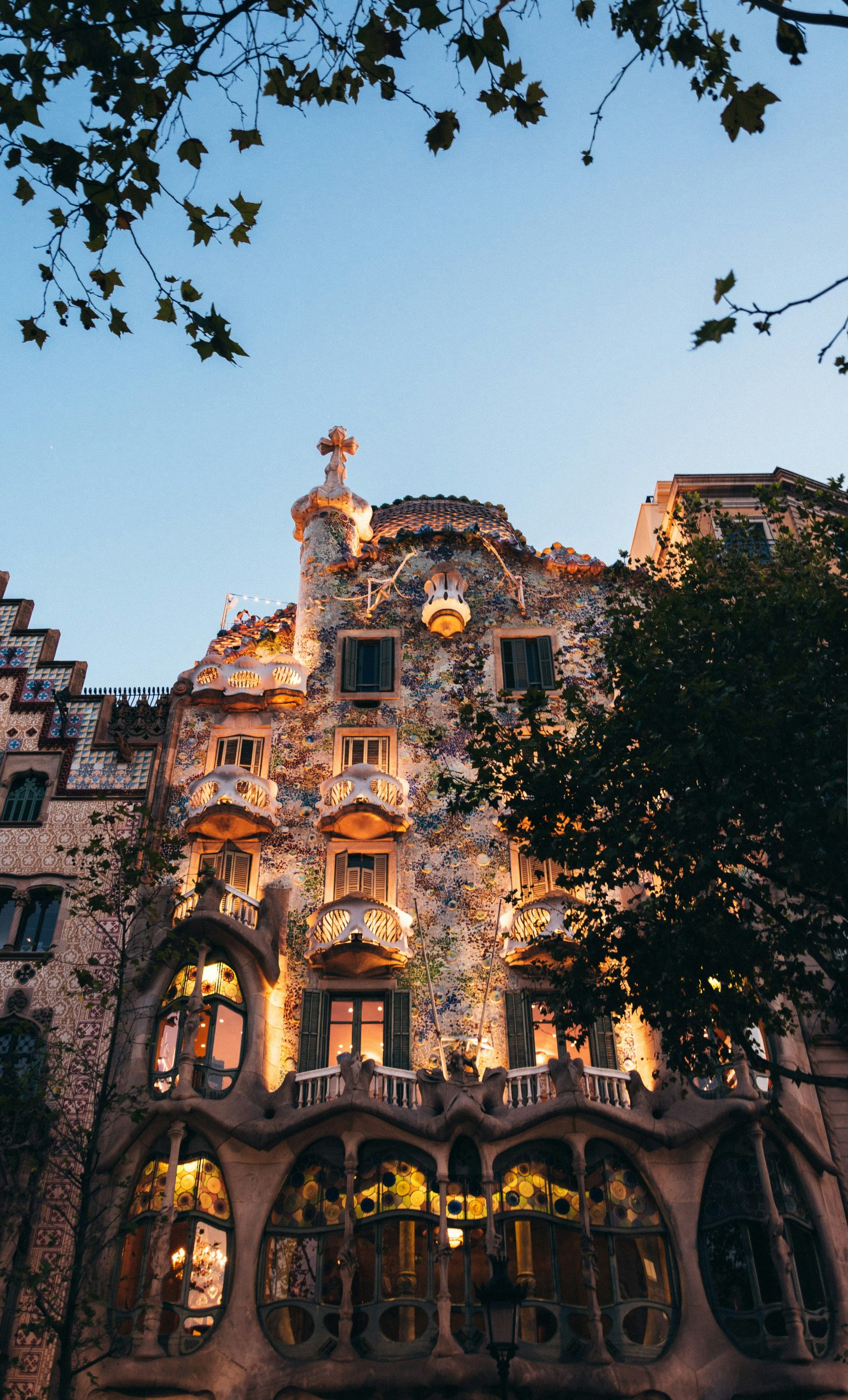
- Casa Batlló & La Pedrera – Modernist masterpieces on Passeig de Gràcia.
- La Rambla – Famous boulevard connecting Plaça de Catalunya to the port.
- Barri Gòtic – Medieval quarter with cathedrals and plazas.
- Montjuïc – Hill with castle, museums, and city views.
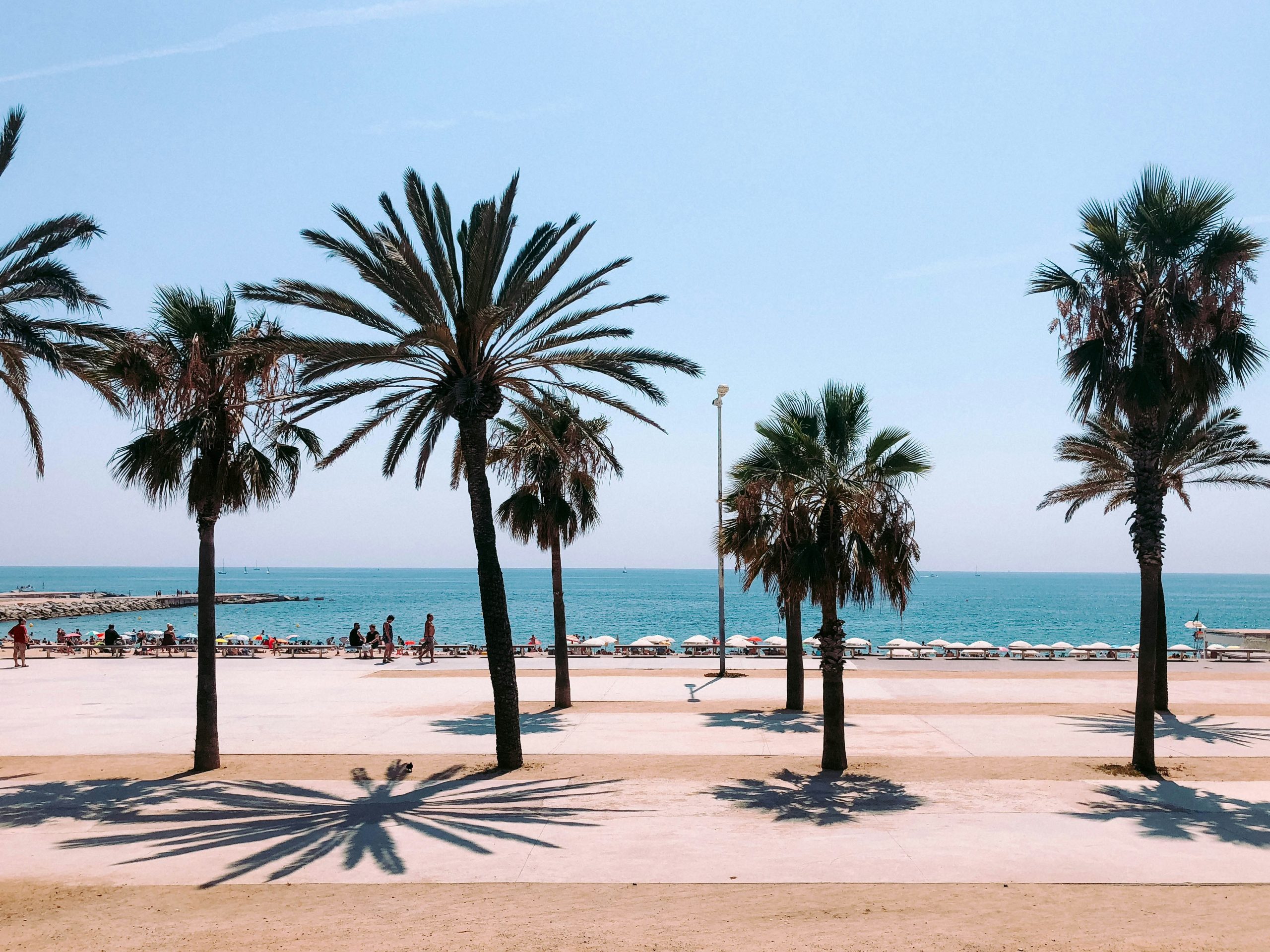
- Barceloneta Beach – Central beach popular with locals and tourists.
Local Gems
- Bunkers del Carmel – Sunset viewpoint over the city.
- Gràcia’s plazas – Lively squares with cafés and bars.
- Poblenou street art and creative spaces – Murals, studios, and creative hubs in a former industrial district.
- Sant Antoni market – Revitalised modernist food market.
- El Born nightlife – Quirky bars and live music.
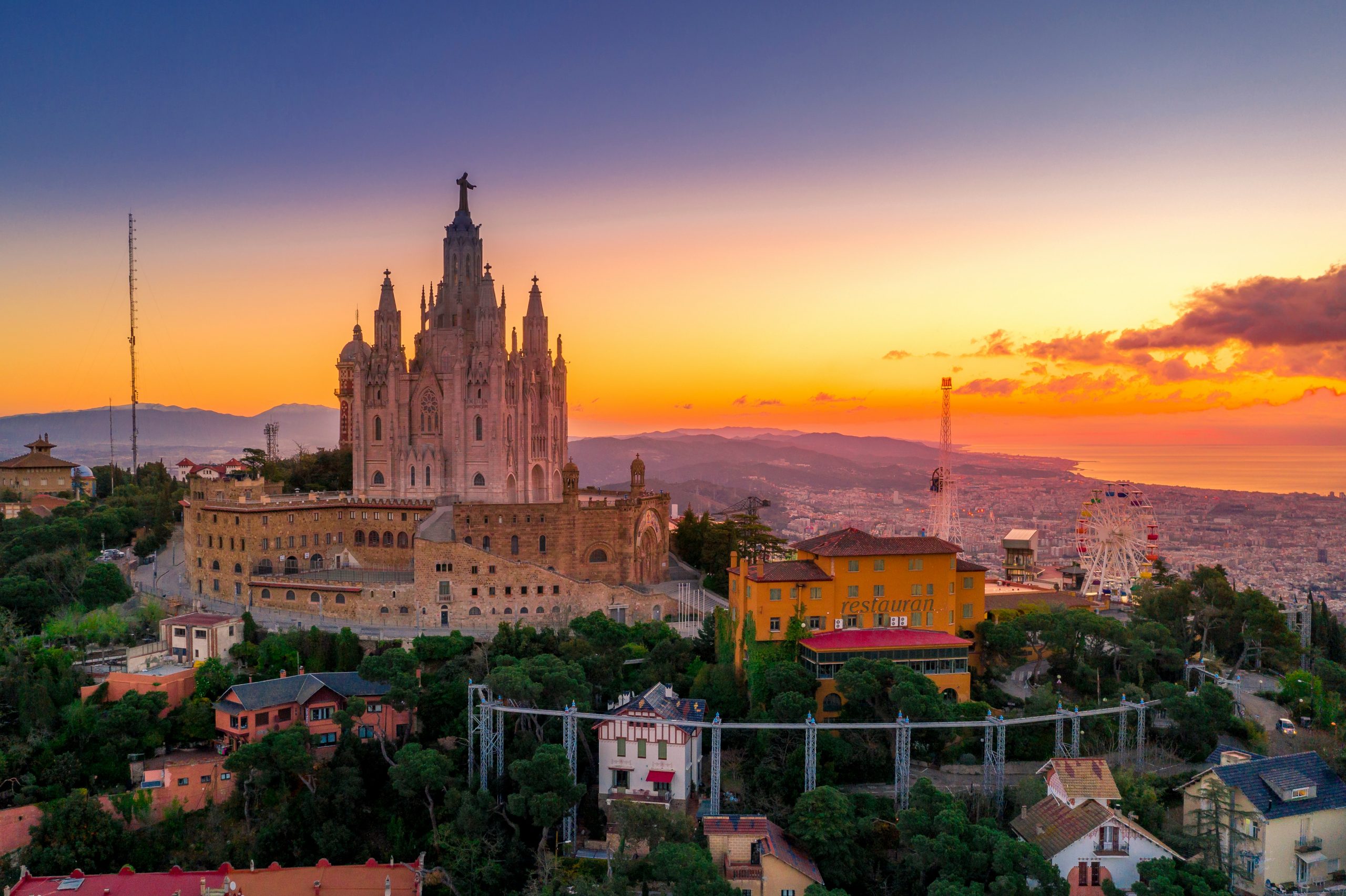
- Tibidabo – Historic theme park and church with panoramic views.
- Parc de la Ciutadella – Central park popular for picnics, rowing boats, and outdoor gatherings.
Pre-departure Essentials
Documents & Visas: EU students do not need a visa to study or live in Spain. UK students and other non-EU nationals usually need a Spanish student visa if staying longer than 90 days, which must be arranged before arrival through the Spanish consulate. Non-EU young professionals normally require a work visa organised in advance by their employer.
Health Insurance: EU students can use a valid EHIC. UK students should apply for a GHIC. Non-EU students must arrange private health insurance that meets Spanish visa requirements and covers the full stay.
Banking: Spanish banks such as CaixaBank, Santander, and BBVA are widely used. Many students also use online banks like Revolut or N26, though a Spanish account may be required for rent or contracts.
SIM Cards: Unlocked phones work well in Spain. SIM cards are easy to buy from Movistar, Vodafone, Orange, and Yoigo, with pay-as-you-go or monthly plans starting from around €10–20.
Post-arrival Essentials
Registration: Students staying longer than three months must register their address at the local town hall (empadronamiento). Non-EU students also need to apply for a Foreigner Identity Card (TIE) shortly after arrival.
Banking & SIM: If not arranged before departure, students should open a Spanish bank account and purchase a local SIM card once in Barcelona.
Health & Safety: Carry your EHIC/GHIC or insurance details at all times. Once settled, locate your nearest public health centre and pharmacy. Emergency services are accessed via 112.
Shopping: Major supermarkets include Mercadona, Carrefour, Dia, and Caprabo. Many shops close on Sundays.
Apps: Useful apps include Moovit (public transport), Glovo (food delivery), Wallapop (second-hand items), Bizum (mobile payments), and Bicing (bike sharing).