


Wollongong (Australia)
Destination Overview
Wollongong is a laid-back coastal city south of Sydney, squeezed between the Illawarra escarpment and a long line of beaches. Life feels easy and outdoorsy, with morning swims, café stops, coastal bike rides and sunset walks all close at hand. The university brings plenty of young energy, while the compact centre, surf culture and surrounding bushland keep the city social without making it feel overwhelming.
Quick Facts, Wollongong

Climate
Warm, humid summers and mild winters, with rain possible throughout the year. Strong sun and sudden coastal downpours are both part of life here.

Cost of Living
Usually cheaper than Sydney, but rent can still be competitive near the university, beaches and CBD. Sharing a house is often the best-value option.

Lifestyle
Relaxed and outdoorsy, with surfing, ocean swimming, coastal cycling, hiking, cafés, live music and easy South Coast day trips.

Vibe
Friendly, youthful and unpretentious, mixing student energy with beach culture, migrant influences and the character of a working steel and port city.

Safety
Generally safe. Ocean rips, rough rock platforms, strong sun, bush tracks and quiet late-night streets need more attention than serious city crime.

Transport
Free central shuttles are a major bonus. Trains and buses cover the wider area, although outer suburbs are less convenient at night and on weekends.
Areas & Neighbourhoods
1. Wollongong CBD
▲The CBD has the best mix of apartments, shops, restaurants, bars and transport. Crown Street Mall, the harbour and City Beach are all nearby, making it ideal for an active social life and easy errands. Weekend noise and higher rents are the main trade-offs.
2. North Wollongong
▼3. Keiraville
▼4. Fairy Meadow
▼5. Corrimal
▼6. Thirroul
▼7. Port Kembla
▼Transport
Within Wollongong

Buses

Trains

Cycling

Car
Domestic & International

Coaches

Flights

Trains
Culture & Lifestyle

Cost of Living: Wollongong is generally better value than Sydney, but it is not a cheap city. Rent takes the biggest share of most budgets, especially near the beach or campus. Shared housing, free shuttles and low-cost outdoor activities make everyday spending easier to manage.
Climate: Summers are warm and humid, while winters are mild but can feel cold in older homes. Rain falls year-round and coastal storms can be heavy. Bring strong sun protection, a waterproof layer and something warm for winter evenings.
Culture: Wollongong stands on Dharawal Country, with deep Aboriginal connections to the coast and escarpment. Steelmaking, coal, migration and the port shaped its proud working-city identity. Today, surf culture, international communities, live music and independent arts give the city plenty of personality.
Social & Nightlife: Most nightlife sits around the CBD, with pubs, bars, live music and weekly food markets near Crown Street. North Wollongong and Towradgi offer relaxed beachside venues, while Thirroul has a strong pub and gig scene. It is friendly and lively, but much smaller than Sydney.
Lifestyle: The beach is part of everyday life here, not just a weekend activity. Swimming, surfing, cycling and escarpment walks are easy to fit around work or study, while cafés, markets, sport and casual nights out keep the social side relaxed.
Inclusivity & Safety
LGBTQ+ Community
Wollongong has a welcoming but fairly small LGBTQIA+ scene.
Community groups, Pride events and inclusive library programmes provide ways to meet people, while the CBD and university areas are generally open-minded. Sydney remains the closest option for a much larger queer nightlife scene.






Top Attractions & Local Experiences
Must-Sees
- Sea Cliff Bridge – Walk above the ocean on an iconic coastal curve.
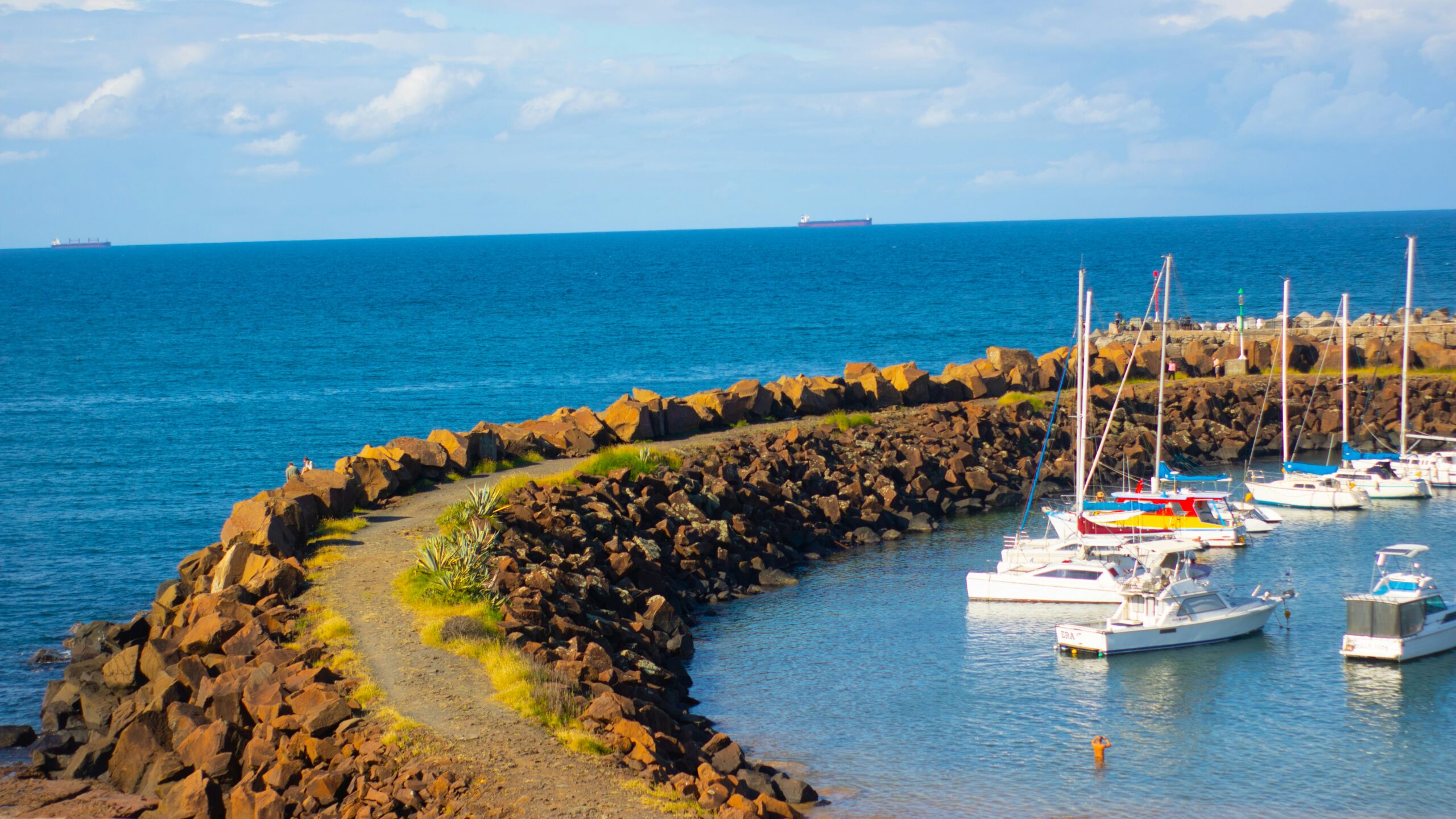
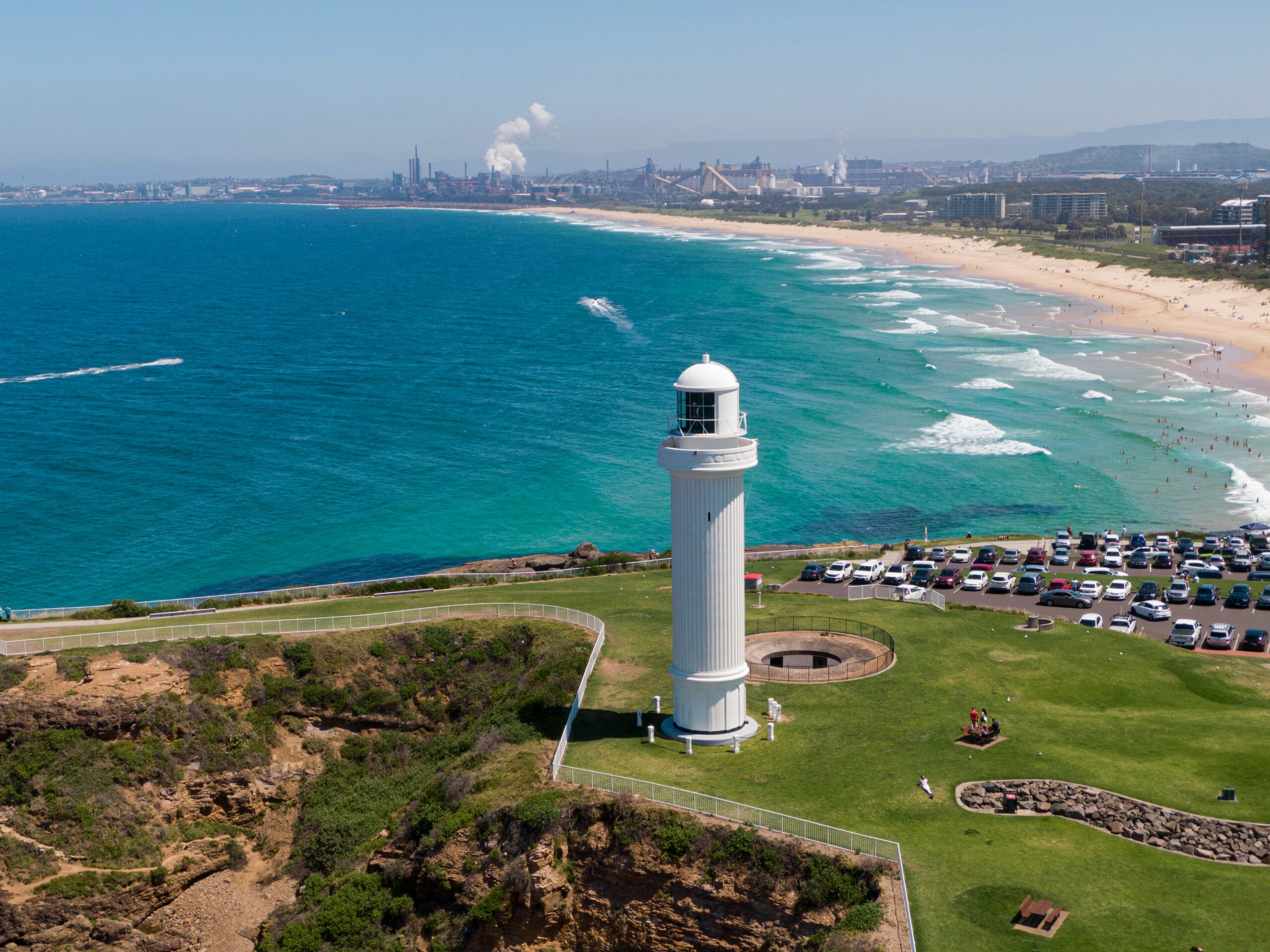
- Wollongong Harbour – See boats and two lighthouses along the Blue Mile.
- North Wollongong Beach – Swim or surf at the city’s favourite beach.
- Nan Tien Temple – Explore grand halls, gardens and Buddhist culture.
- Mount Keira Lookout – See the city, coast and escarpment from above.
- Wollongong Botanic Garden – Wander leafy gardens beside UOW.
- Kiama Blowhole – Take an easy coastal day trip south by train.
Local Gems
- Puckeys Estate – Find quiet bush tracks beside Fairy Meadow Beach.
- Crown Street Markets – Eat street food with Thursday-night music.
- Towradgi Rock Pool – Swim in a laid-back ocean pool loved by locals.
- Port Kembla Beach – Pair a wide beach with sunset views from Hill 60.
- Sandon Point – Watch surfers and follow the coast towards Thirroul.
- Wollongong Art Gallery – See regional art for free in the city centre.
- Mount Kembla – Follow forest tracks around a historic mountain village.

Pre-departure Essentials
Documents & Visas: Most international students need a Student visa, subclass 500, supported by a Confirmation of Enrolment. Requirements depend on your course and circumstances, so use the Department of Home Affairs checklist in ImmiAccount and check any new application rules. Keep digital copies of your passport, visa grant, enrolment and insurance documents.
Health & Insurance: Student visa holders normally need approved Overseas Student Health Cover for their full stay, including accompanying dependants. Basic OSHC has limits and may not cover dental, optical or physiotherapy, so compare exclusions, waiting periods and possible extra costs. Separate travel insurance can cover belongings and cancellations.
Accommodation: Choose the area you want to live in before searching for rooms. Use Google Maps to check everyday commute times, especially between the coast, CBD and university. Book through All Abroad to avoid scams.
Banking: Common banks include Commonwealth Bank, Westpac, ANZ and NAB. Open an account after arrival using your passport, visa and Australian address, and keep an international card ready for your first few days.
SIM: Set up a prepaid SIM or eSIM after arrival with Telstra, Optus, Vodafone or a lower-cost provider using their networks. Bring photo ID, make sure your phone is unlocked and compare coverage if you plan to explore regional areas.
Post-arrival Essentials
Registration & Residency: Australia has no general city registration after arrival. Check your visa conditions in VEVO. If condition 8533 applies, give your education provider your residential address within seven days of arriving and report later changes as required.
Healthcare & Safety: Activate your OSHC, learn how to make a claim and find a nearby GP before you need one. Call healthdirect on 1800 022 222 for non-emergency health advice and 000 in an emergency. Save Beachsafe and Hazards Near Me NSW for local conditions and warnings.
Transport Setup: Use an Adult Opal card or the same contactless card or device to tap on and off paid buses and trains. The Gong Shuttle and UOW North Gong Shuttle are free. Most international students pay adult fares unless they hold an eligible scholarship.
Shopping: Coles, Woolworths and Aldi cover groceries, while shopping centres in the CBD, Fairy Meadow, Figtree and Warrawong are useful for household basics. Crown Street Markets, op shops and local resale groups help keep costs down.
Apps: Use Opal Travel or TripView for transport, BOM Weather for forecasts, Beachsafe for swimming conditions and Hazards Near Me NSW for warnings. Uber is the main ride-hailing option, especially when buses become limited at night.