


Newcastle (Australia)
Destination Overview
Newcastle combines the energy of a university city with a coastline that shapes everyday life. Mornings begin with ocean swims or coffee, afternoons spill onto harbour paths and beaches, and evenings revolve around pubs, live music and compact neighbourhood strips. It feels friendlier and more manageable than Sydney without being sleepy, while surf culture, industrial heritage and a growing creative scene give the city a character entirely of its own.
Quick Facts, Newcastle

Climate
Warm, humid summers and mild winters, with plenty of sunshine, coastal rain and occasional storms.

Cost of Living
Generally cheaper than Sydney, although rent near the beaches, centre and university can still be competitive.

Lifestyle
Outdoors-focused and social, built around surfing, swimming, cafés, sport, live music and weekends across the Hunter.

Vibe
Relaxed, friendly and unpretentious, with a proud working-city identity and a growing creative side.

Safety
Generally safe, with ocean conditions, exposed cliffs, strong sun, storms and quiet late-night streets requiring the most care.

Transport
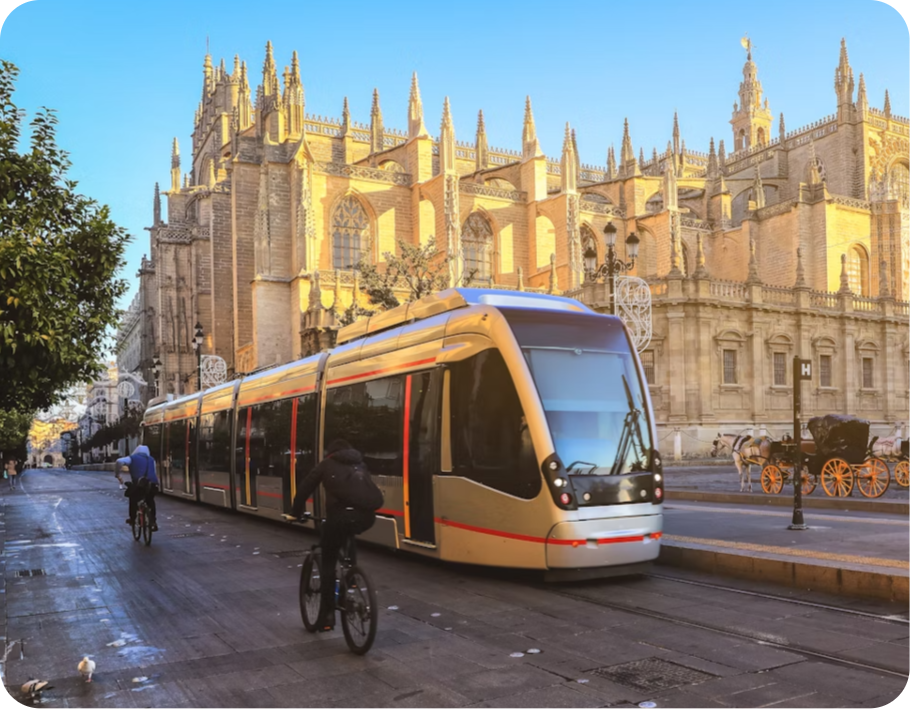
Buses handle most local journeys, supported by light rail, trains and the Stockton ferry.
Areas & Neighbourhoods
1. Newcastle CBD
▲The city centre puts bars, restaurants, harbour paths, light rail and the University of Newcastle’s city campus close together. The East End reaches Newcastle Beach and the Ocean Baths, while The Hill adds heritage streets and coastal views. It is convenient but relatively expensive.
2. Cooks Hill
▼3. Merewether
▼4. Hamilton
▼5. Mayfield
▼6. Callaghan
▼7. Lambton
▼Transport
Within Newcastle

Buses

Ferry

Cycling

Light Rail

Trains
Domestic & International

Coaches

Flights

Trains
Culture & Lifestyle
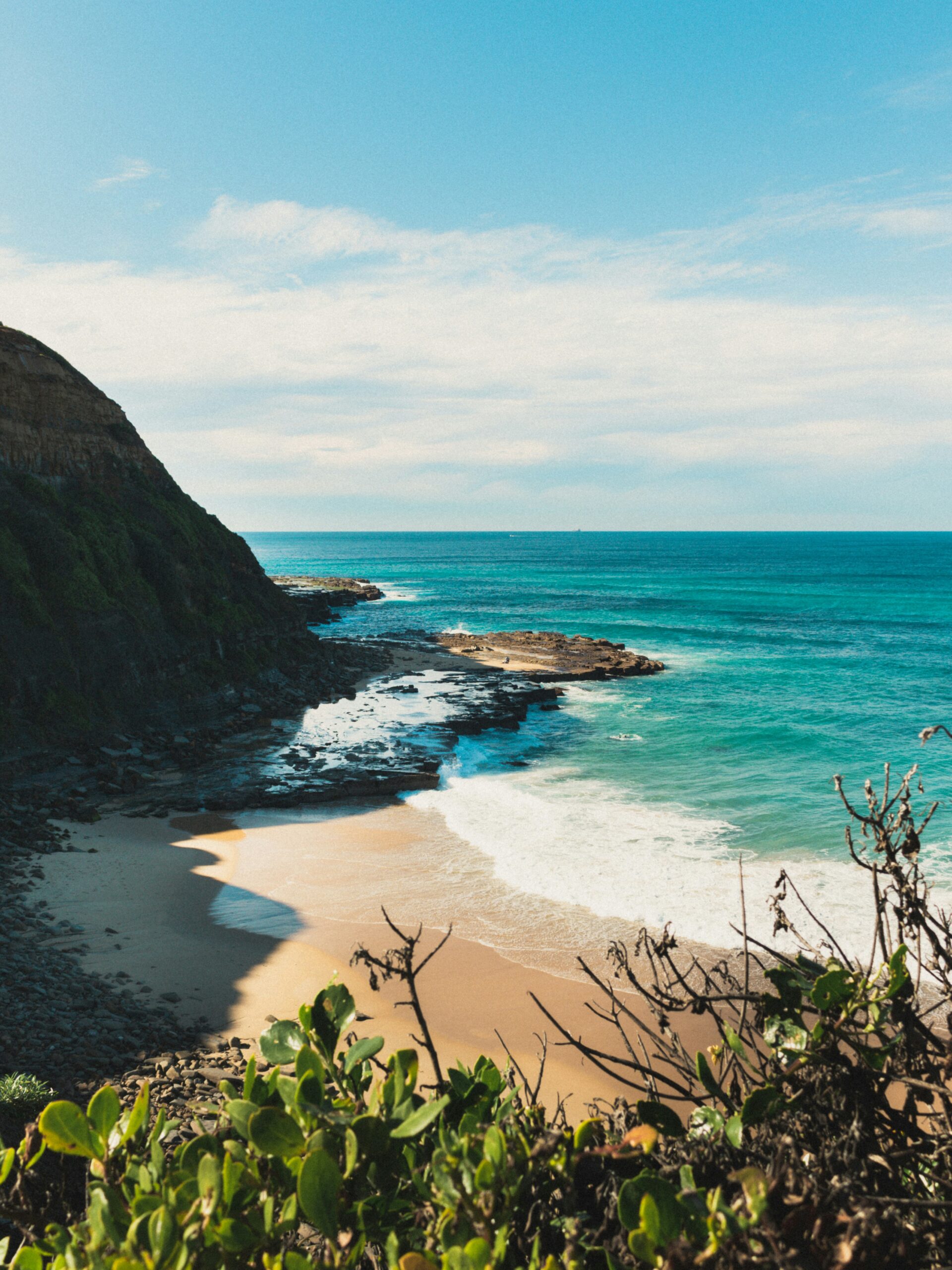
Cost of Living: Newcastle generally costs less than Sydney, but rent has risen and vacancies can be tight. Beachside homes and purpose-built student accommodation are usually the most expensive. Shared housing farther inland offers better value, while beaches, parks and free cultural venues make low-cost days easy.
Climate: Summers are warm and humid, while winters are mild but can feel cool inside older homes. Rain falls throughout the year and coastal storms can arrive quickly. Light layers, a waterproof jacket and strong sun protection are useful.
Culture: Newcastle, also known as Mulubinba, stands on the Country of the Awabakal and Worimi peoples. Port, coal and steelmaking shaped its proud working-city identity, while surf culture, independent art, food, live music and migration continue to reshape it.
Social & Nightlife: Darby Street and Beaumont Street lead for cafés, casual restaurants and small bars. The CBD and East End add pubs, live music and late venues. Nights out are lively but compact, with fewer choices and earlier finishes than Sydney.
Lifestyle: The ocean sits at the centre of everyday life, from surfing and swimming to sunset walks. Rugby league support is intense, while bushwalking, cycling and weekends in the Hunter are easy to fit in. Newcastle suits people who prefer an active but manageable city.
Inclusivity & Safety
LGBTQ+ Community
Newcastle has an established but relatively small LGBTQIA+ community.
Queer events, inclusive venues and community organisations provide places to connect, particularly around the inner city. The scene is less concentrated than Sydney’s but continues to grow.


Top Attractions & Local Experiences
Must-Sees
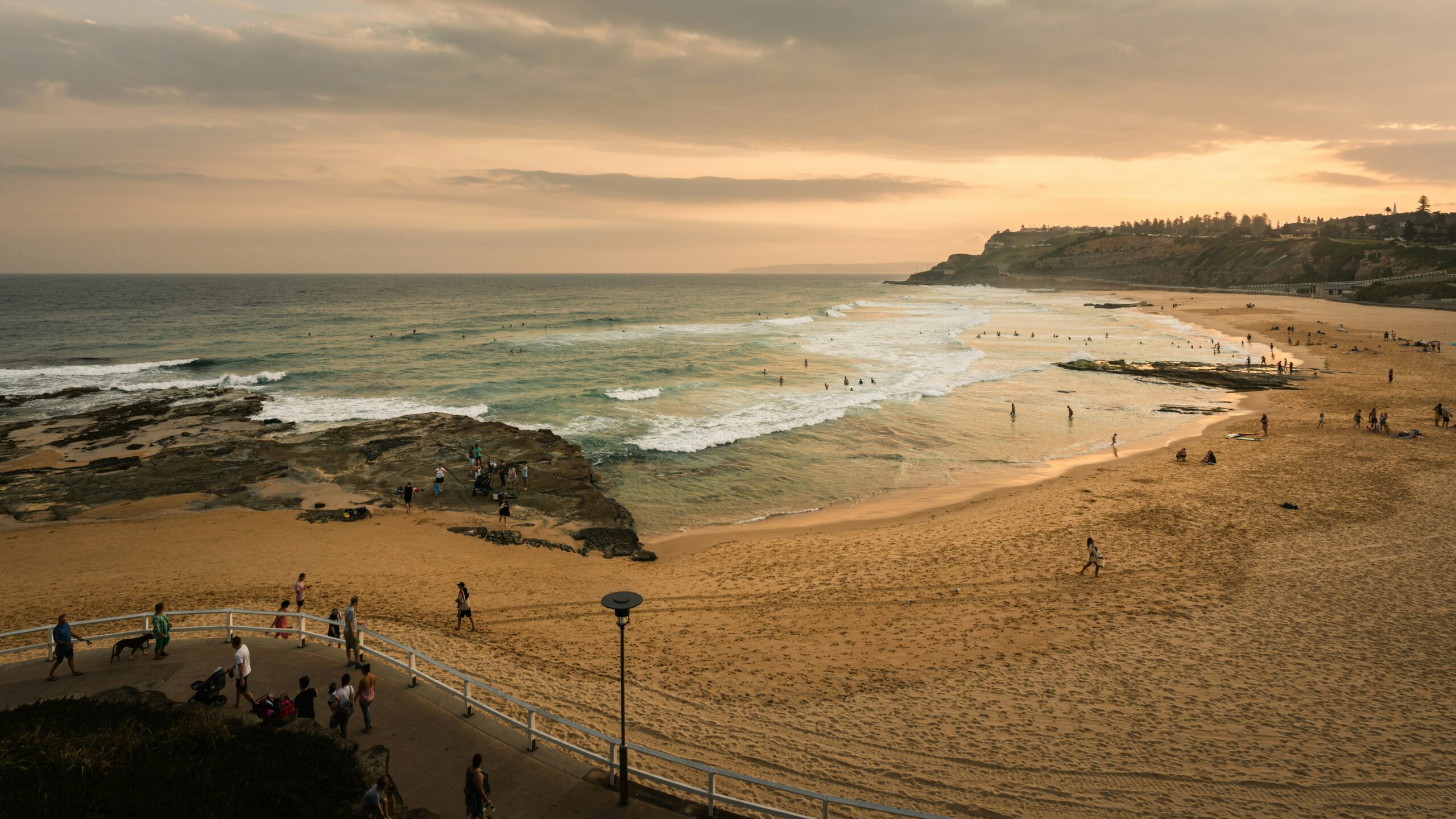
- Bathers Way – Coastal walk linking beaches and Memorial Walk.
- Nobbys Beach – Lighthouse and breakwall beside the working harbour.
- Newcastle Ocean Baths – Landmark saltwater pools beside the beach.
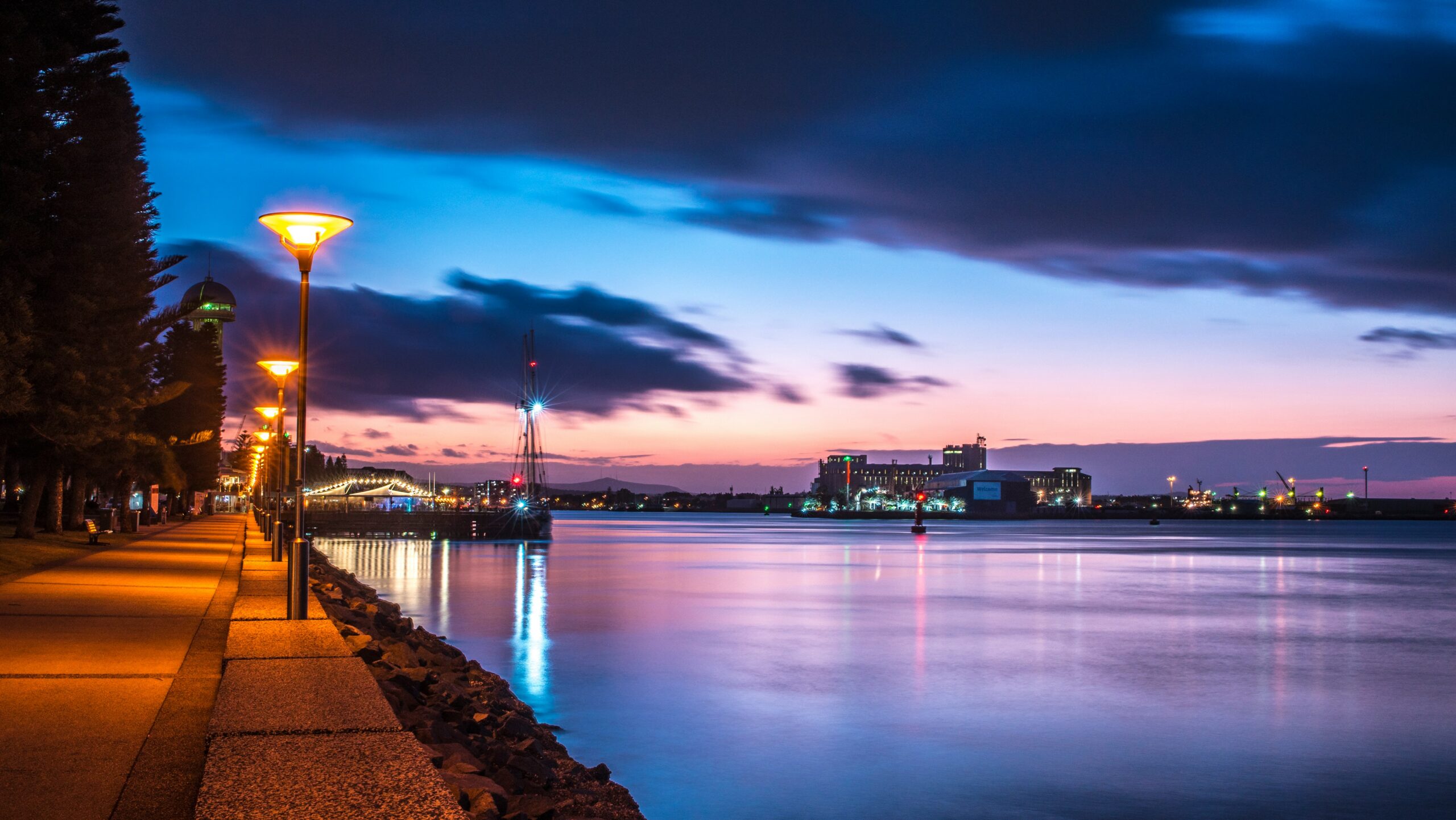
- Fort Scratchley – Harbour history, tunnels and coastal views.
- Newcastle Museum – Free exhibits on industry, history and science.
- Blackbutt Reserve – Bushland walks and native wildlife close to town.
- Hunter Valley – Wine, local produce and rolling countryside.
- Port Stephens – Beaches, dunes, dolphins and whale watching.
Local Gems
- Bogey Hole – A convict-cut ocean pool beneath King Edward Park.
- Glenrock – Rainforest, waterfalls and trails to Dudley Beach.
- Fernleigh Track – A leafy rail trail for walking and cycling.
- Olive Tree Market – Local art, food and music in Civic Park.
- Stockton Shipwreck Walk – Harbour views and wrecks beyond the ferry.
- Carrington – Old workers’ cottages, local pubs and waterside paths.
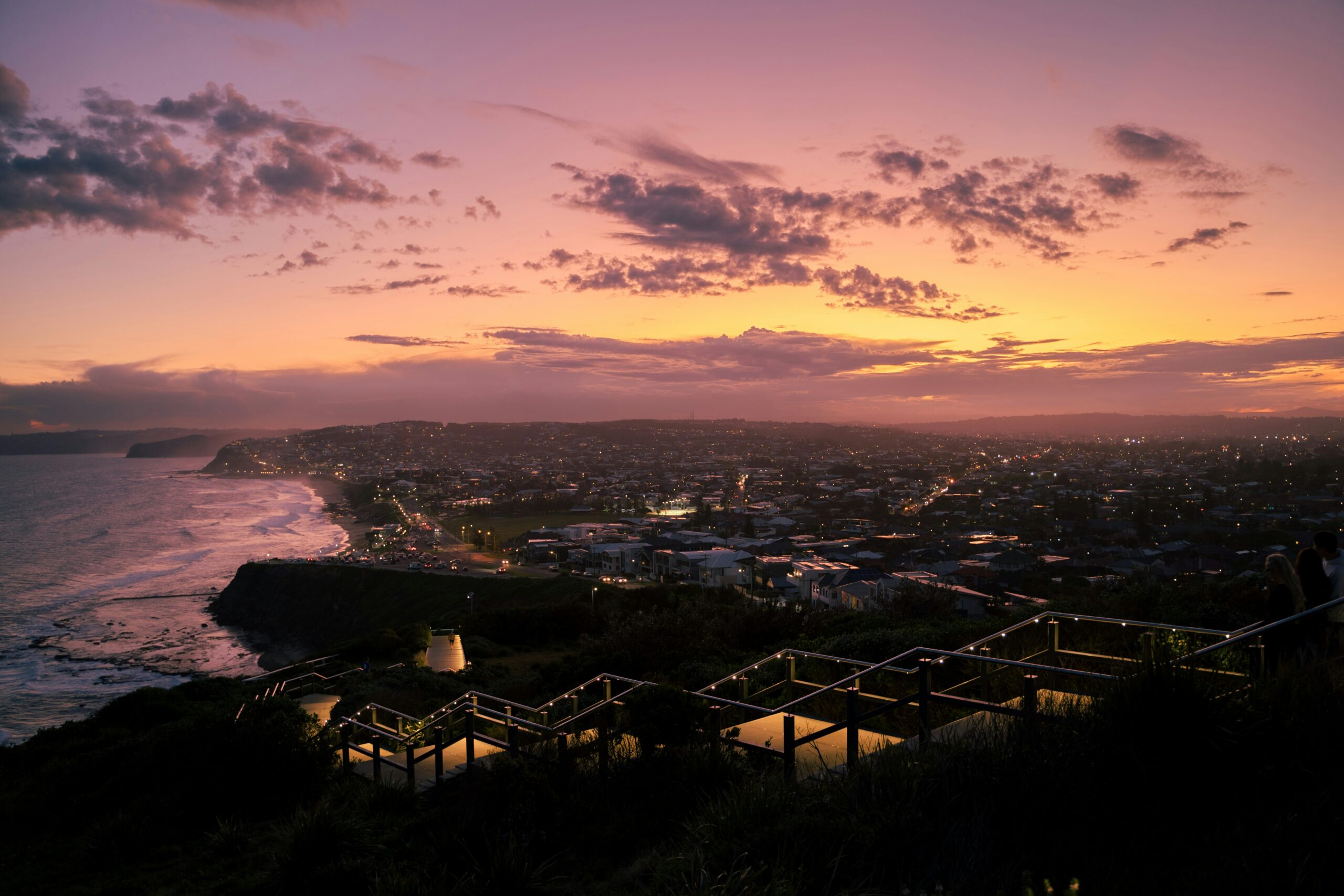
- The Obelisk – A quiet hilltop lookout over Newcastle and the Hunter.
Pre-departure Essentials
Documents & Visas: Most international students need a Student visa, subclass 500. Obtain your Confirmation of Enrolment, check the latest requirements, complete the Genuine Student and financial evidence requirements, and apply through ImmiAccount. Keep digital and paper copies of your passport, visa and enrolment documents.
Health & Insurance: Student visa holders normally need Overseas Student Health Cover for their full stay. Compare approved policies, exclusions, waiting periods, ambulance cover and gap fees, then consider separate travel insurance.
Accommodation: Choose your area before searching and use Google Maps to compare Callaghan and city-campus commutes. Book through All Abroad to avoid scams.
Banking & Money: Set up an Australian account after arrival. Commonwealth Bank, NAB, ANZ and Westpac are common. Compare fees and bring your passport and Australian address.
SIM & Connectivity: Set up an Australian SIM after arrival. Bring an unlocked phone and ID, then compare Telstra, Optus, Vodafone and cheaper network resellers.
Post-arrival Essentials
Registration & Residency: Australia has no general municipal registration for international students. Follow your visa conditions and give your education provider your Australian residential address within seven days when condition 8533 applies.
Healthcare & Safety: Activate your OSHC account, find a nearby GP and learn how claims and gap fees work. Call 000 in an emergency or healthdirect on 1800 022 222 for advice.
Transport Setup: Use an Adult Opal card or contactless bank card across local services. Most international students need full fares unless holding an eligible government scholarship.
Shopping: Use Coles, Woolworths or Aldi for groceries, Kmart or Big W for basics, and local markets for affordable fresh food.
Apps: Install TripView or Transport for NSW, BOM Weather, Hazards Near Me and Beachsafe, plus Google Maps and Uber or DiDi.