


Hobart (Australia)
Destination Overview
Hobart feels like a compact harbour city dropped between a mountain and the sea. Life moves between waterfront warehouses, cosy pubs, independent cinemas, weekend markets and bush tracks that begin almost in the suburbs. It is smaller, cooler and quieter than mainland capitals, but its food, art and festival scenes are remarkably bold. Add easy access to beaches, wildlife and the rest of Tasmania, and life here feels distinctive from day one.
Quick Facts, Hobart

Climate
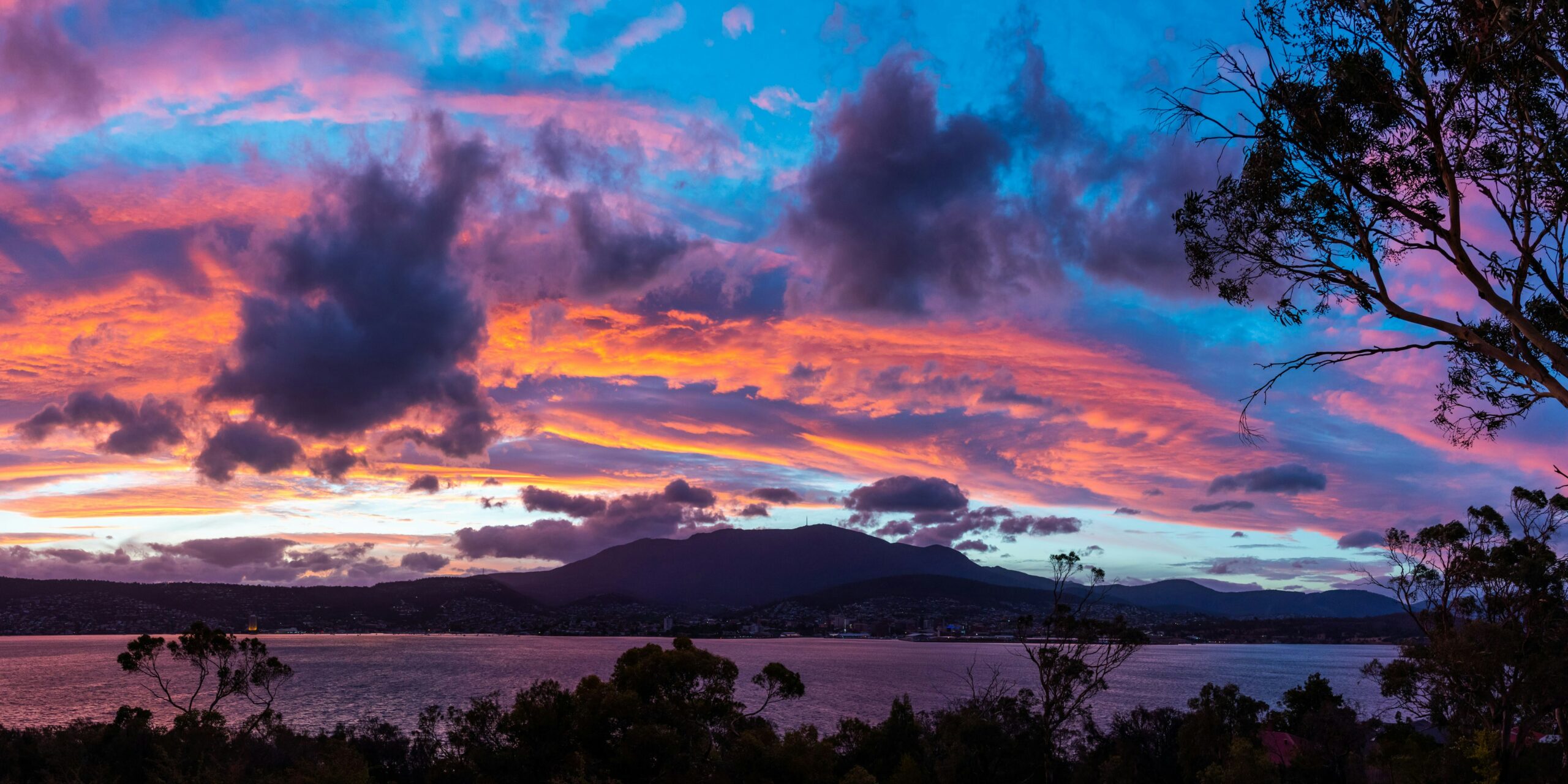
Cool temperate, with mild summers, cold winters, frequent wind and famously changeable weather. Snow is unusual in the city but common on kunanyi / Mount Wellington.

Cost of Living
Housing and groceries can be expensive for a small city, while heating can increase winter bills. Free buses and ferries until 30 June 2027 and plentiful outdoor activities help balance everyday costs.

Lifestyle
Relaxed and outdoors-focused, built around cafés, markets, waterfront walks, live music, bushwalking, cold-water swims and weekend trips around Tasmania.

Vibe
Creative, friendly and quietly distinctive, with historic streets, a strong local food culture and an alternative streak beneath its calm surface.

Safety
Generally safe, with fast-changing mountain weather, bushfire risk, cold water, isolated walking tracks and quiet late-night streets requiring the most awareness.

Transport
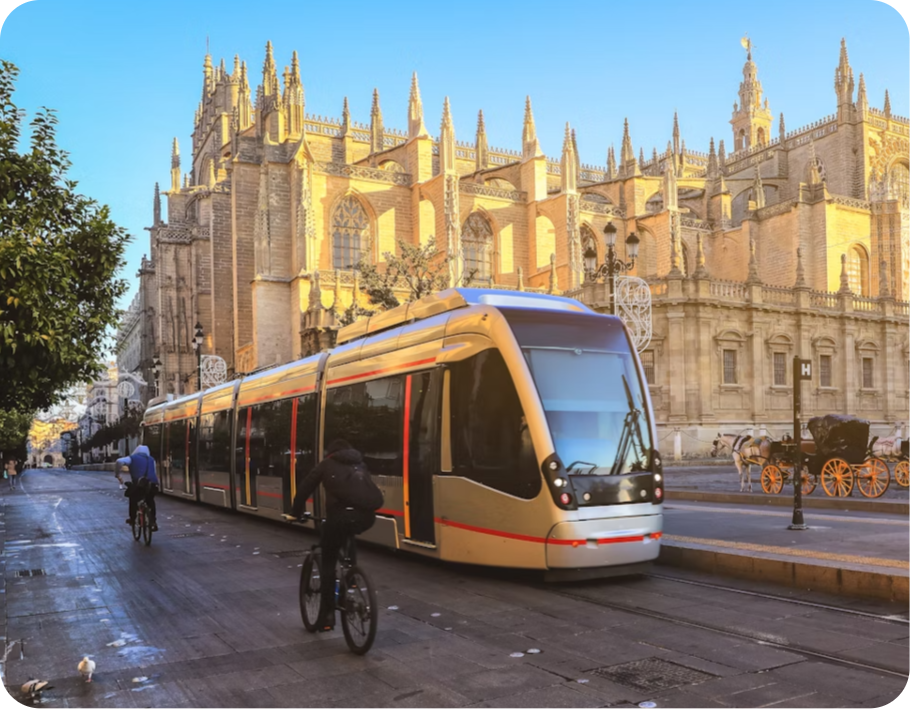
Trams, buses and trains are extremely affordable, but the long coastal layout means cross-city journeys can still take considerable time.
Areas & Neighbourhoods
1. Hobart CBD
▲The compact CBD puts workplaces, UTAS facilities, shops, buses and nightlife within easy reach. Salamanca, the waterfront and Battery Point are walkable, with apartments and student residences nearby. It is convenient and atmospheric, but rents can be high and streets quieten early.
2. Sandy Bay
▼3. North Hobart
▼4. West Hobart
▼5. South Hobart
▼6. Moonah
▼7. Bellerive
▼Transport
Within Hobart

Buses

Ferry

Cycling

Car
Domestic & International

Coaches

Flights

Rail

Spirit of Tasmania
Culture & Lifestyle

Cost of Living: Hobart is smaller than mainland capitals but not necessarily cheaper. Housing is the main pressure, while groceries, eating out and winter heating add up quickly. Sharing, living beyond the centre and using free public transport can reduce costs. Check insulation and heating before signing a lease.
Climate: Summers are mild and winters cool, with wind, rain and temperature changing quickly. Conditions are less predictable near the mountain. Pack a waterproof layer, warm indoor clothing and practical footwear.
Culture: nipaluna / Hobart is part of lutruwita / Tasmania, where Palawa culture and custodianship continue. The city blends maritime history, Antarctic science, independent art and local produce. MONA and Dark Mofo shape its reputation, alongside small venues and community events.
Social & Nightlife: Salamanca and the CBD hold most late-night bars and clubs, while North Hobart suits relaxed drinks and cinema. In The Hanging Garden is a focal point for food and live music. The scene is compact and busiest from Thursday to Saturday.
Lifestyle: Life revolves around being outside. Early swims, surf lessons, coastal runs, gym sessions, café breakfasts and evening picnics quickly become normal. Weekends move between markets, theme parks, waterfalls, Brisbane and Byron Bay.
Inclusivity & Safety
LGBTQ+ Community
Hobart has a visible and close-knit LGBTQIA+ community.
TasPride, annual Pride events and inclusive venues provide community, while Tasmanian law protects against discrimination. The scene is smaller than in mainland capitals, so events and local networks are often the easiest way to connect.





Top Attractions & Local Experiences
Must-Sees
- kunanyi / Mount Wellington – City views and mountain trails.
- MONA – Provocative art in an underground museum.
- Salamanca Market & Salamanca Place – Saturday stalls and local flavour.
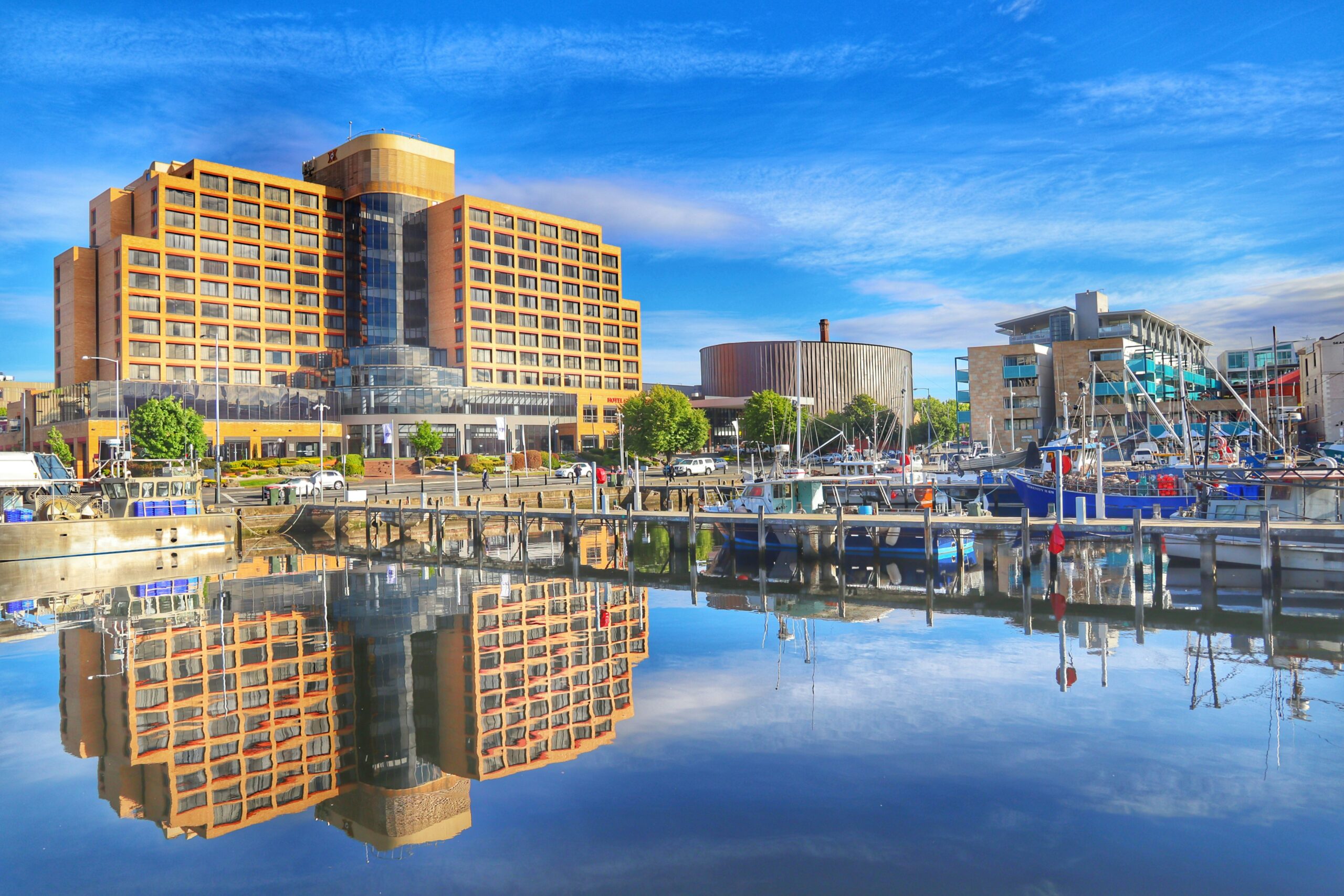
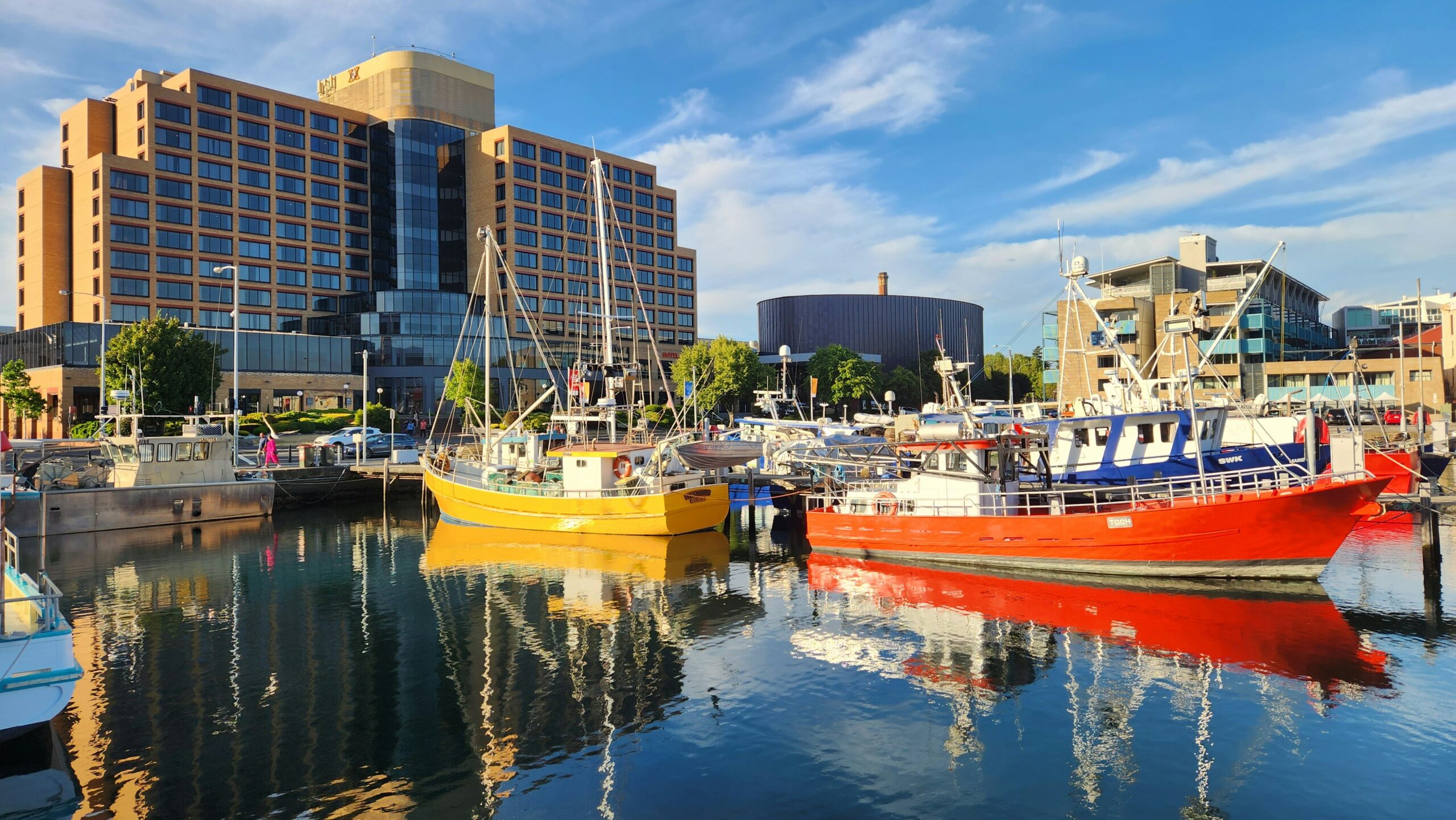
- Hobart Waterfront & Battery Point – Docks, heritage and harbour views.
- Tasmanian Museum and Art Gallery – Art, history and Antarctica.
- Port Arthur Historic Site – Australia’s convict-era landmark.
- Bruny Island – Wild coastlines, wildlife and local food.
- Bonorong Wildlife Sanctuary – Native wildlife rescue and conservation.
Local Gems
- Farm Gate Market – Sunday produce, pastries and coffee with the locals.
- Tallebudgera Creek – Clear water, swimming and paddling.
- HOTA Markets – Sunday food, art and lakeside atmosphere.
- The Spit – Coastal walks, quiet beaches and sunsets.
- Budds Beach – Riverside paddling and relaxed local cafés.
- Cougal Cascades – Rainforest walks and freshwater scenery.
- Gold Coast Oceanway – Beachside walking, running and cycling.
Pre-departure Essentials
Documents & Visas: Most international students need a subclass 500 Student visa and valid Confirmation of Enrolment. Apply through ImmiAccount and check the current document, financial, English, health and Genuine Student requirements. Rules changed on 2 October 2026, so confirm application rules and visa conditions before travelling.
Health & Insurance: Student visa holders need approved Overseas Student Health Cover from arrival for their full stay, unless exempt. Compare waiting periods, exclusions, ambulance cover and gap fees, and consider separate travel insurance.
Accommodation: Choose your area before searching, use Google Maps to check commute times, and book through All Abroad to avoid scams.
Banking & Money: Open an account after arrival with Commonwealth Bank, ANZ, NAB or Westpac. Bring your passport, visa and Australian address.
SIM & Connectivity: Set up an Australian SIM after arrival. Telstra, Optus and Vodafone are the main networks; bring ID and ensure your phone is unlocked.
Post-arrival Essentials
Registration & Residency: Australia has no general arrival registration. Check your conditions in VEVO. If condition 8533 applies, provide your Australian address within seven days; apply for a Tax File Number if working.
Healthcare & Safety: Activate OSHC, find a nearby GP and understand gap fees. Call 000 for emergencies, 131 444 for non-urgent police and healthdirect on 1800 022 222 for medical advice.
Transport Setup: Buses and the Derwent ferry are free until 30 June 2027, with no GreenCard required. Download Metro Tas; SkyBus remains separately ticketed.
Shopping: Woolworths, Coles, IGA and Hill Street cover groceries. Use Kmart, op shops and Facebook Marketplace for affordable household essentials.
Apps: Use Translink for journeys, Uber or DiDi for ride-hailing, Lime for shared e-bikes, Beachsafe for patrols, BOM Weather for forecasts and Emergency Plus for emergencies.