


Gold Coast (Australia)
Destination Overview
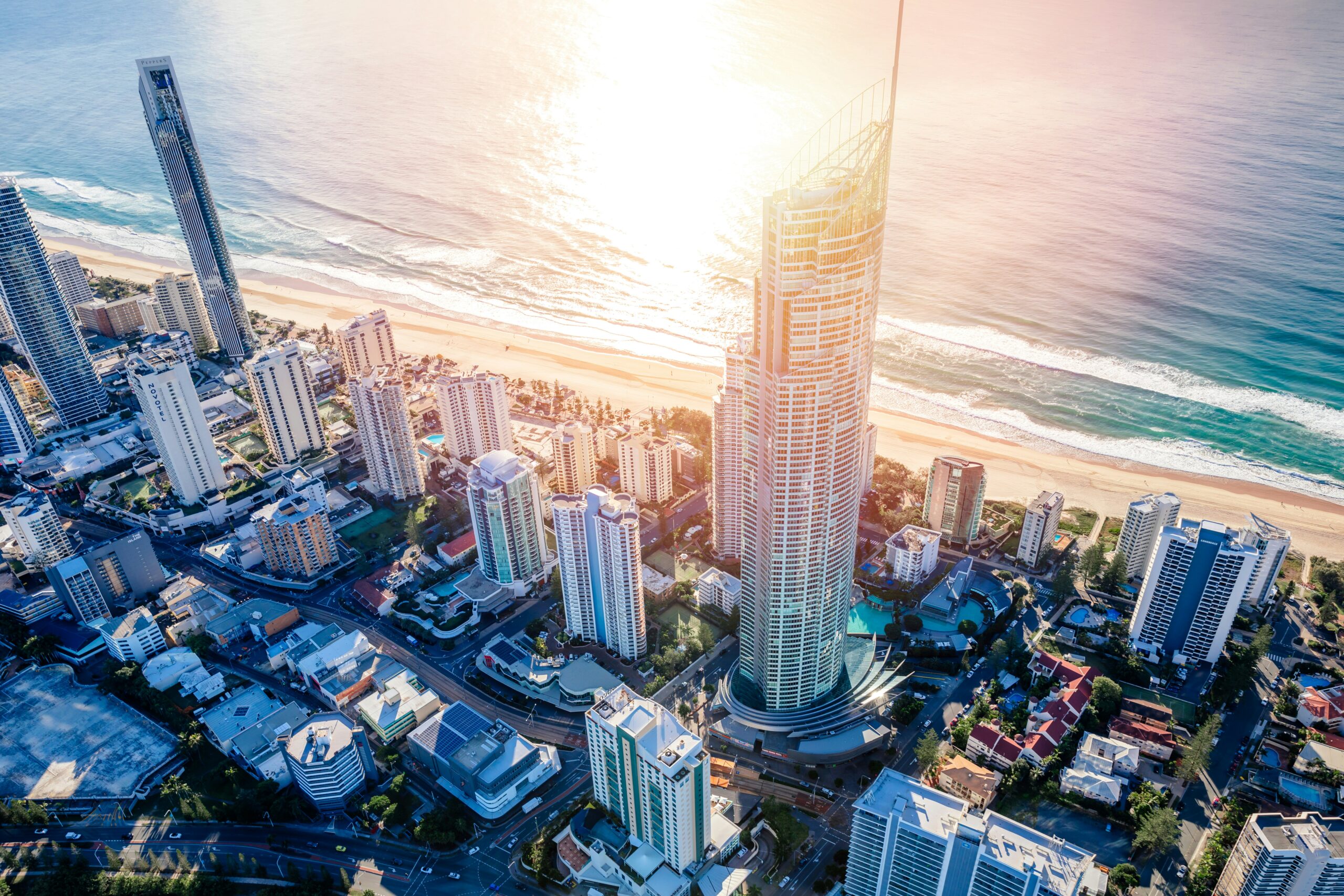
The Gold Coast is an endless-summer city where surf culture, beach cafés, nightlife and rainforest-covered hinterland sit side by side. Days can begin with a swim and finish at a night market, live gig or sunset picnic. Beyond its famous holiday strip, lively local centres and international communities give the coast real variety. Its sprawling layout takes some adjustment, but few cities make outdoor living feel so effortless.
Quick Facts, Gold Coast

Climate
Subtropical, with hot, humid summers, mild sunny winters and warm conditions for outdoor life through most of the year.

Cost of Living
Housing near the beach can be expensive, but 50-cent public transport and abundant free beaches, parks and walks help everyday budgets.

Lifestyle
Active and outdoors-focused, built around surfing, swimming, fitness, cafés, markets, hospitality and regular trips into the hinterland.

Vibe
Sunny, social and informal, mixing holiday energy with relaxed local pockets, international communities and a growing creative scene.

Safety
Generally safe, with ocean currents, ultraviolet exposure, summer storms, flooding and alcohol-related incidents around nightlife requiring awareness.

Transport
Trams, buses and trains are extremely affordable, but the long coastal layout means cross-city journeys can still take considerable time.
Areas & Neighbourhoods
1. Southport
▲Southport is the main business and student centre, with Australia Fair, Broadwater Parklands, the Student Hub and excellent tram connections. The line continues through Parkwood to Griffith University and the University Hospital, while nearby Labrador offers quieter residential streets.
2. Surfers Paradise
▼3. Broadbeach
▼4. Burleigh Heads
▼5. Robina
▼6. Coolangatta
▼7. Gungahlin
▼Transport
Within Gold Coast

Buses

Trains

Tram

Cycling

Car
Domestic & International

Coaches

Flights

Trains
Culture & Lifestyle
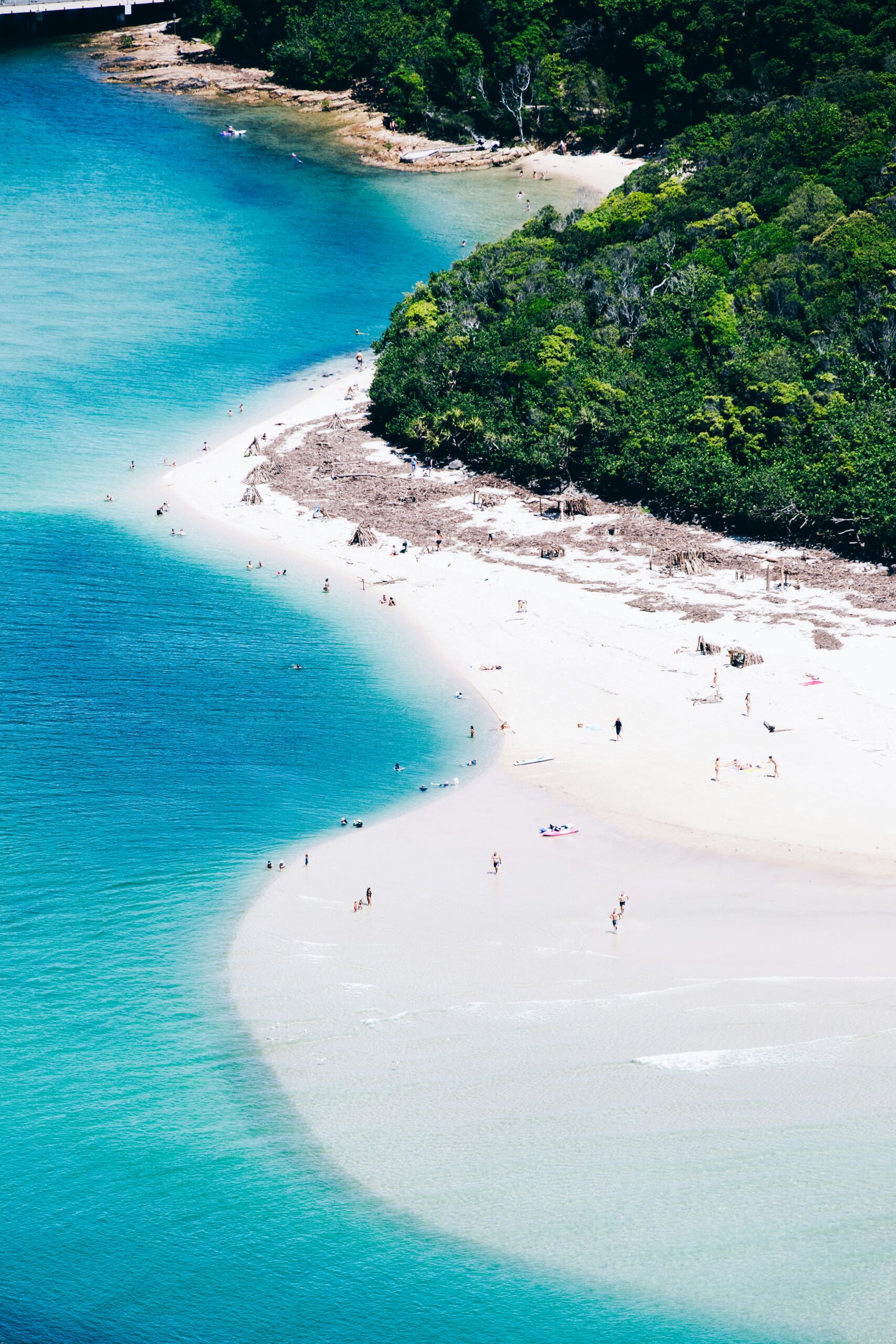
Cost of Living: The Gold Coast is not cheap, with housing usually the largest expense. Beachfront rooms and private apartments cost more, while groceries, air conditioning and frequent nights out add up. Sharing accommodation and using 50-cent public transport can make a meaningful difference.
Climate: Summers are hot, humid and wet, with regular thunderstorms and intense rain. Winters remain mild, averaging around 21°C during the day. Strong ultraviolet exposure and severe-weather disruption require attention throughout the warmer months.
Culture: Kombumerri families of the Yugambeh Language Region are the Traditional Custodians of the central Gold Coast. Surfing and lifesaving remain central to local identity, while BLEACH Festival, Blues on Broadbeach, SWELL Sculpture Festival and live music showcase its creative side.
Social & Nightlife: Surfers Paradise has the biggest clubs and late-night venues, while Broadbeach offers polished bars and restaurants. Burleigh and Miami are popular for breweries, live music, casual drinks and sunset gatherings, giving the city several distinct ways to socialise.
Lifestyle: Life revolves around being outside. Early swims, surf lessons, coastal runs, gym sessions, café breakfasts and evening picnics quickly become normal. Weekends move between markets, theme parks, waterfalls, Brisbane and Byron Bay.
Inclusivity & Safety
LGBTQ+ Community
The Gold Coast has a visible but geographically dispersed LGBTQ+ community.
Gold Coast Pride Collective, Fair Day and inclusive venues provide connection and support. Queensland law protects sexuality, gender identity and sex characteristics, although individual experiences can still vary.



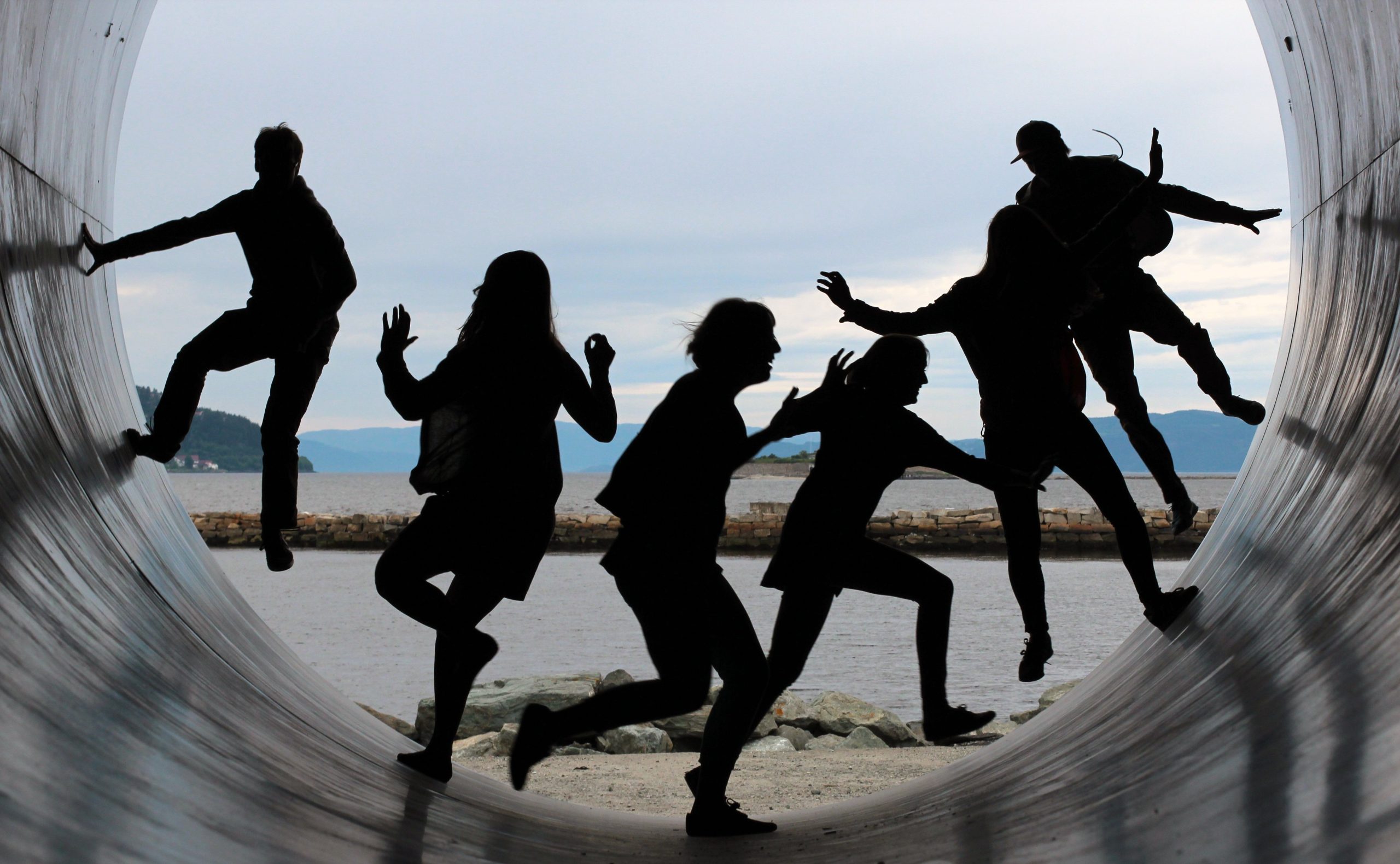


Top Attractions & Local Experiences
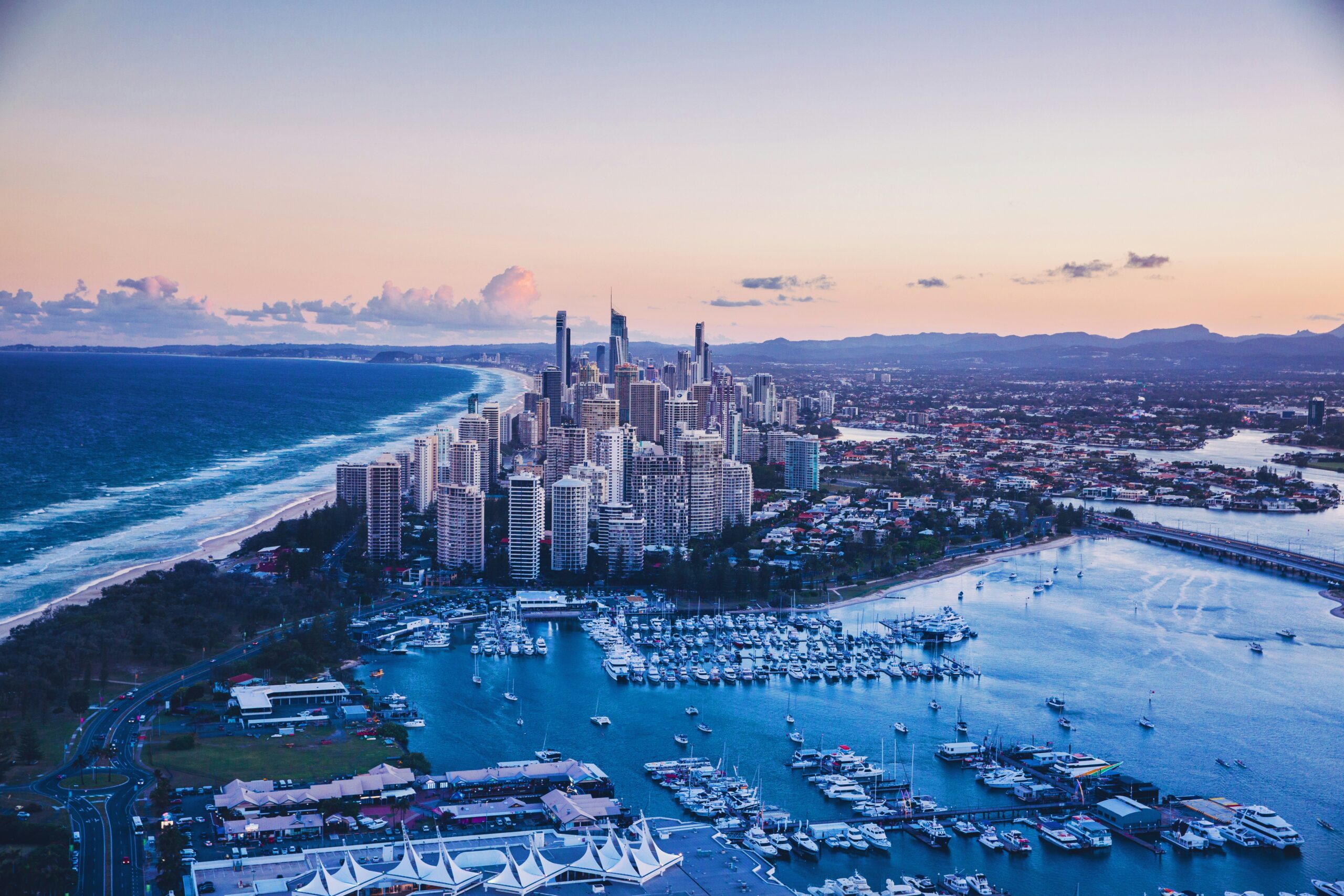
Must-Sees
- Surfers Paradise & SkyPoint – Beach skyline and panoramic views.
- Gold Coast Theme Parks – Rides, water slides and wildlife.
- Burleigh Head National Park – Rainforest trails and ocean views.
- Currumbin Wildlife Sanctuary – Native wildlife and conservation.
- Springbrook National Park – Rainforest, waterfalls and lookouts.
- Coolangatta & Snapper Rocks – Beaches and world-class surf.
- Broadbeach & Pacific Fair – Beach time, dining and shopping.
- Tamborine Mountain – Rainforest walks and mountain village.
Local Gems
- Miami Marketta – Street food, live music and creative energy.
- Tallebudgera Creek – Clear water, swimming and paddling.
- HOTA Markets – Sunday food, art and lakeside atmosphere.
- The Spit – Coastal walks, quiet beaches and sunsets.
- Budds Beach – Riverside paddling and relaxed local cafés.
- Cougal Cascades – Rainforest walks and freshwater scenery.
- Gold Coast Oceanway – Beachside walking, running and cycling.
Pre-departure Essentials
Documents & Visas: Most international students spending a semester or longer in Australia require a Student visa, subclass 500. Secure your Confirmation of Enrolment before applying through ImmiAccount. Check current financial, English, Genuine Student and health requirements, especially if applying from within Australia or including family members.
Health & Insurance: Student visa holders normally need approved Overseas Student Health Cover for their entire stay, including accompanying dependants. Compare waiting periods, exclusions, ambulance cover and gap fees, and consider separate travel insurance for belongings and cancellations.
Accommodation: Choose your area before searching for rooms and use Google Maps to check real commute times across this long city. Book through All Abroad to help avoid scams.
Banking & Money: Set up an Australian bank account after arriving. Commonwealth Bank, ANZ, NAB and Westpac are common options, while Bank of Queensland is another local choice. Bring your passport, Australian address and tax identification details.
SIM & Connectivity: Buy a prepaid SIM or eSIM after arriving. Confirm your phone is unlocked, bring identification and compare Telstra, Optus, Vodafone and cheaper providers using their networks.
Post-arrival Essentials
Registration & Residency: Australia has no general arrival registration for most international students. However, visa condition 8533 normally requires you to give your education provider your residential address within seven days and report later changes within seven days. Check VEVO for any additional conditions.
Healthcare & Safety: Activate your OSHC account, find a nearby GP and pharmacy, and understand claims and gap fees. Call 000 for emergencies or healthdirect on 1800 022 222 for health advice. Save the Gold Coast Disaster Dashboard for storm and flood updates.
Transport Setup: No student pass is needed because regular Translink journeys cost AUD $0.50. Tap on and off using the same contactless Visa or Mastercard, mobile wallet or go card. The network is cashless and Airtrain charges separate fares.
Shopping: Coles, Woolworths and Aldi cover groceries, while Southport has numerous international supermarkets. Australia Fair, Pacific Fair and Robina Town Centre provide major retailers, with Kmart, op shops and resale groups useful for household basics.
Apps: Use Translink for journeys, Uber or DiDi for ride-hailing, Lime for shared e-bikes, Beachsafe for patrols, BOM Weather for forecasts and Emergency Plus for emergencies.