


Wellington (New Zealand)
Destination Overview
Wellington, the capital of New Zealand, is a compact and creative coastal city known for its café culture, arts scene, and strong student atmosphere. Home to Victoria University of Wellington and Massey University’s Wellington campus, the city combines political importance with a relaxed and community-focused lifestyle. With its harbour setting, walkable centre, and easy access to nature, Wellington is one of New Zealand’s most distinctive and student-friendly cities.
Quick Facts, Wellington

Climate
Wellington has a cool maritime climate with mild temperatures year-round, though the city is famous for strong winds and regular rain.

Cost of Living
Wellington is moderately expensive by New Zealand standards, with shared student accommodation often costing around NZD $250–$350 per week.

Lifestyle
The city has a relaxed, creative, and community-oriented lifestyle centred around cafés, music, markets, and outdoor activities.

Vibe
Wellington feels artistic, progressive, compact, and social, with a strong local identity and student culture.

Safety
Wellington is generally considered very safe, with low violent crime rates and a welcoming atmosphere for students.

Transport
Wellington is highly walkable and supported by buses, trains, ferries, and the city’s iconic cable car.
Areas & Neighbourhoods
1. Wellington Central (CBD)
▲The compact centre of the city, filled with shops, offices, cafés, restaurants, and nightlife. Convenient for students wanting easy access to campuses and social life, although accommodation can be expensive and limited.
2. Te Aro
▼3. Mount Cook
▼4. Aro Valley
▼5. Kelburn
▼6. Thorndon
▼7. Mount Victoria
▼8. Newtown
▼9. Brooklyn
▼Transport
Within Wellington

Trains

Buses

Ferries

Cycling / Walking

Cable Car
Domestic & International

Bus

Airport

Ferries
Culture & Lifestyle

Cost of Living: Wellington is moderately expensive by New Zealand standards, particularly for housing close to the city centre and university areas. Shared flats often cost around NZD $250–$350 per week, while studios can range from around NZD $400–$600 depending on location and quality. Everyday expenses are also relatively high, with coffees around NZD $5, meals around NZD $15–25, beers around NZD $10, and weekly groceries typically around NZD $70–100.
Climate: Wellington has a cool maritime climate with mild summers and damp winters. The city is especially known for strong winds throughout the year, which can make temperatures feel cooler than expected.
Culture: Wellington is widely considered New Zealand’s cultural capital, known for film, theatre, live music, independent cafés, festivals, and creative industries. The city is also home to Te Papa museum and Weta Workshop.
Social & Nightlife: Cuba Street, Courtenay Place, Te Aro, and parts of the waterfront are Wellington’s main social and nightlife areas. Students can find live music venues, pubs, cafés, rooftop bars, and a strong independent food scene.
Lifestyle: Wellington has a compact and community-focused lifestyle, with many students walking between university, housing, cafés, and nightlife. Locals spend weekends exploring beaches, markets, hiking trails, and the surrounding hills and harbour.
Inclusivity & Safety
LGBTQ+ Community
Wellington is considered one of New Zealand’s most LGBTQ+ friendly cities, with inclusive venues, Pride events, and strong queer communities around Cuba Street and Te Aro.






Top Attractions & Local Experiences

Must-Sees
- Te Papa Tongarewa – New Zealand’s national museum on the waterfront.
- Wellington Cable Car & Botanic Garden – Iconic city views and gardens.
- Zealandia – Urban eco-sanctuary for native wildlife.
- Mount Victoria Lookout – Panoramic views across the harbour and city.
- Cuba Street – Famous for cafés, bars, music, and street culture.
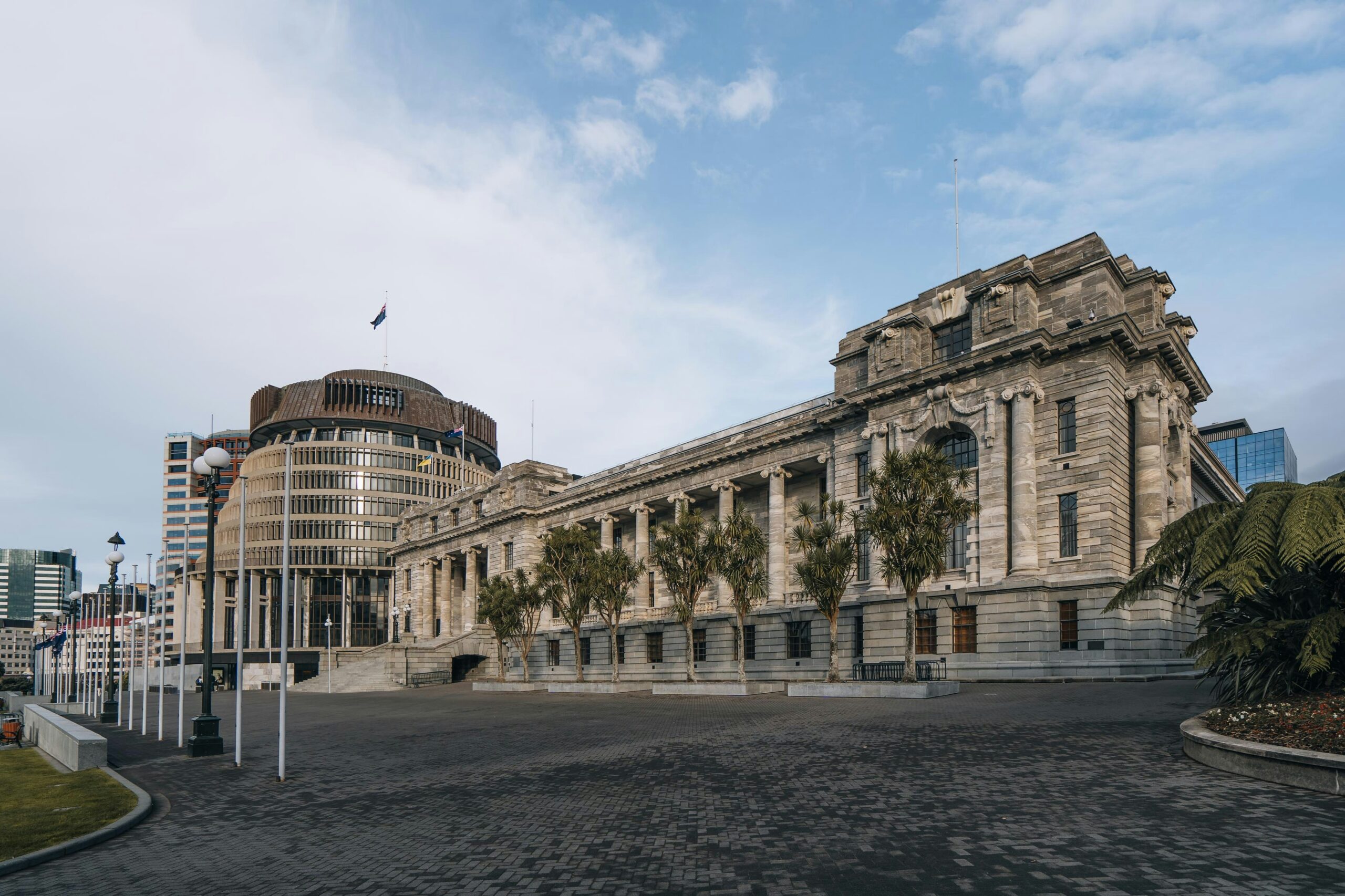
- Parliament Buildings & The Beehive – Wellington’s political centre.
- Oriental Bay – Popular city beach and waterfront area.
Local Gems
- Sunday Harbourside Market – Fresh food and local stalls by the waterfront.
- Garage Project Brewery – Well-known local craft brewery in Aro Valley.
- Red Rocks Reserve – Coastal walking area known for seals and dramatic scenery.
- Miramar – Centre of Wellington’s film industry and home to Weta Workshop.
- Makara Peak – Popular mountain biking and hiking area.
- Hannahs Laneway – Independent cafés, bakeries, and creative spaces.
- Island Bay – Relaxed coastal suburb with beach access and local cafés.

Pre-departure Essentials
Documents & Visas: Most international students need a New Zealand student visa before arrival. Students should apply early and carefully check visa conditions, including any work rights attached to their visa.
Health Insurance: International students are generally required to have approved medical and travel insurance for the duration of their studies, often arranged through their university.
Banking: Major New Zealand banks include ANZ, ASB, BNZ, Westpac, and Kiwibank. Many students also use Wise or Revolut for international transfers and spending.
SIM Cards: Spark, One NZ, and 2degrees offer prepaid and monthly SIM plans, usually starting from around NZD $20–40 per month depending on data allowance.
Post-arrival Essentials
Registration: Students should complete university registration and orientation processes shortly after arrival and ensure their local address and contact details are updated where required.
Banking & SIM: Opening a New Zealand bank account and arranging a local SIM card are usually among the first priorities after arrival, especially for rent payments, part-time work, and everyday spending.
Health & Safety: Students planning to work part-time should apply for an IRD number after arrival. Emergency services are reached via 111, and medical centres and pharmacies are widely available throughout the city.
Shopping: Woolworths, New World, and Pak’nSave are the main supermarkets, while local markets are also popular for fresh produce and cheaper food shopping.
Apps: Useful apps in Wellington include Metlink for public transport, Uber for rides, DeliverEasy and Uber Eats for food delivery, Trade Me and Facebook Marketplace for second-hand items, Flatmates.co.nz for housing, and Wise or Revolut for international banking and transfers.