


Brisbane (Australia)
Destination Overview
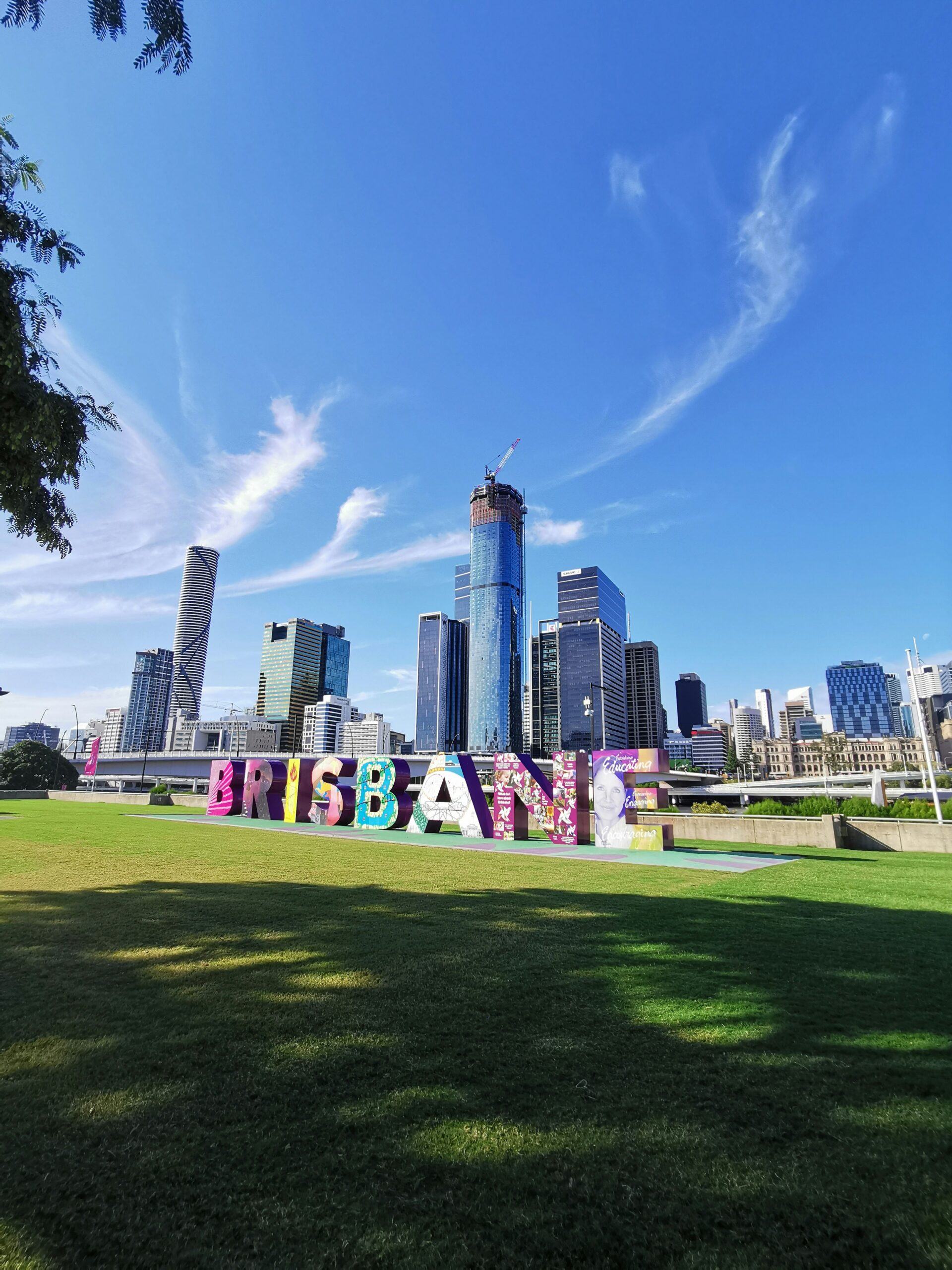
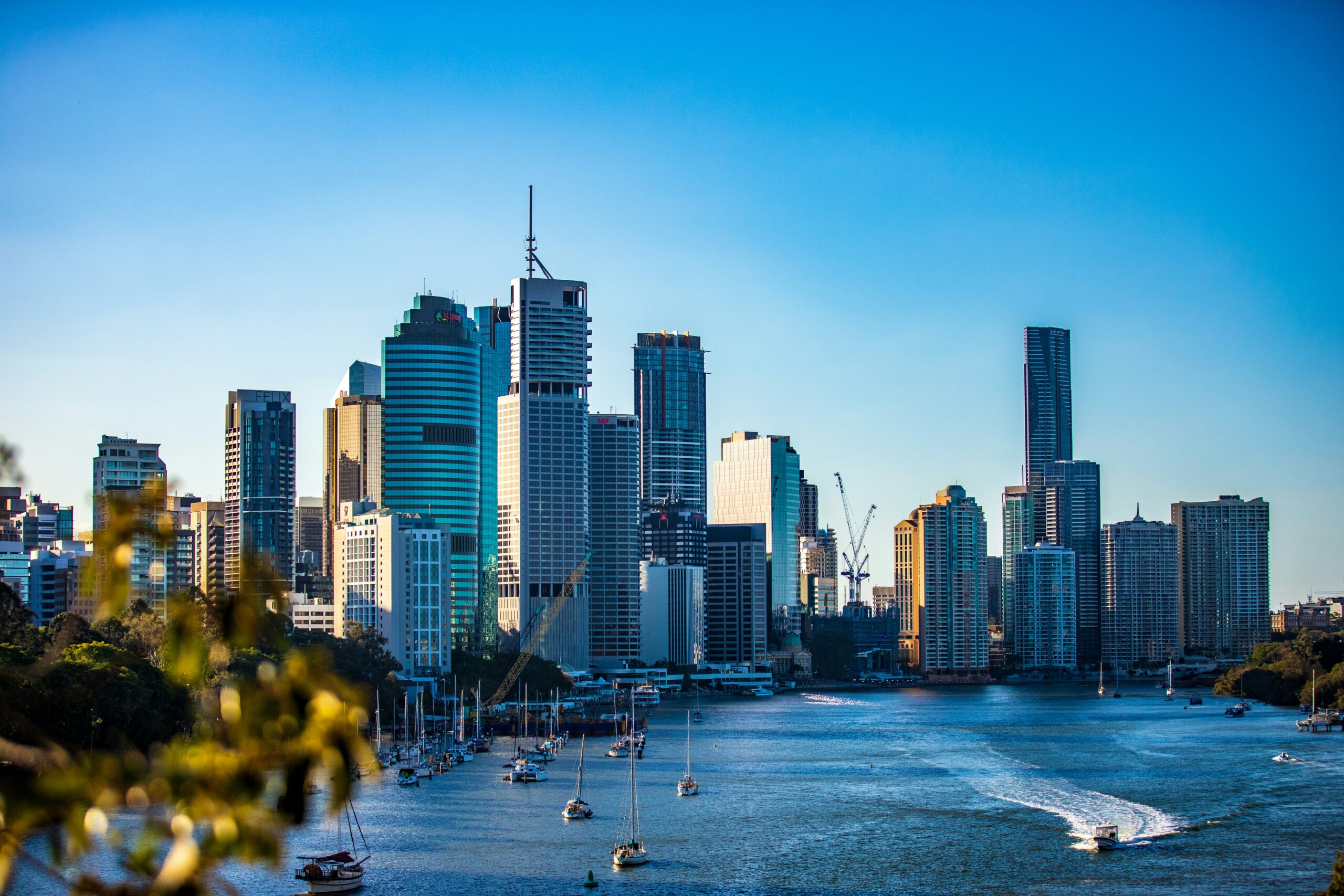
Brisbane is a sunny, fast-growing river city where outdoor living shapes almost everything. Days revolve around riverside walks, park picnics, rooftop bars, live sport and warm evenings that make staying indoors feel like a waste. Its neighbourhoods each bring a different personality, from West End’s creative energy to New Farm’s relaxed style, while the Gold Coast, Sunshine Coast and subtropical hinterland open up endless weekend possibilities.
Quick Facts, Brisbane

Climate
Subtropical, with hot, humid and stormy summers, mild dry winters and abundant sunshine throughout the year.

Cost of Living
Usually more affordable than Sydney, although rising rents, groceries and socialising still require a realistic Australian budget.

Lifestyle
Outdoorsy and relaxed, centred on the river, parks, sport, cafés, warm evenings and easy escapes to beaches and national parks.

Vibe
Friendly, youthful and increasingly creative, with big-city growth balanced by a noticeably calmer pace than Sydney or Melbourne.

Safety
Generally comfortable, with nightlife awareness, summer heat, severe storms, flooding and water safety the main practical considerations.

Transport
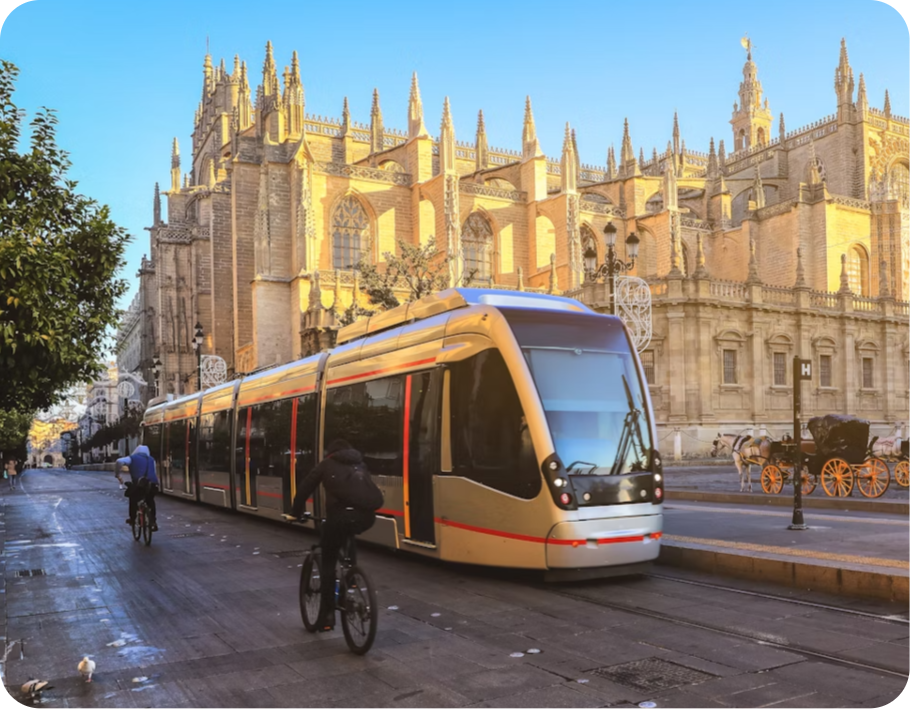
Buses, trains and ferries cover the wider city, while the river and Brisbane’s spread-out layout can make some cross-city journeys indirect.
Areas & Neighbourhoods
1. Brisbane City & Spring Hill
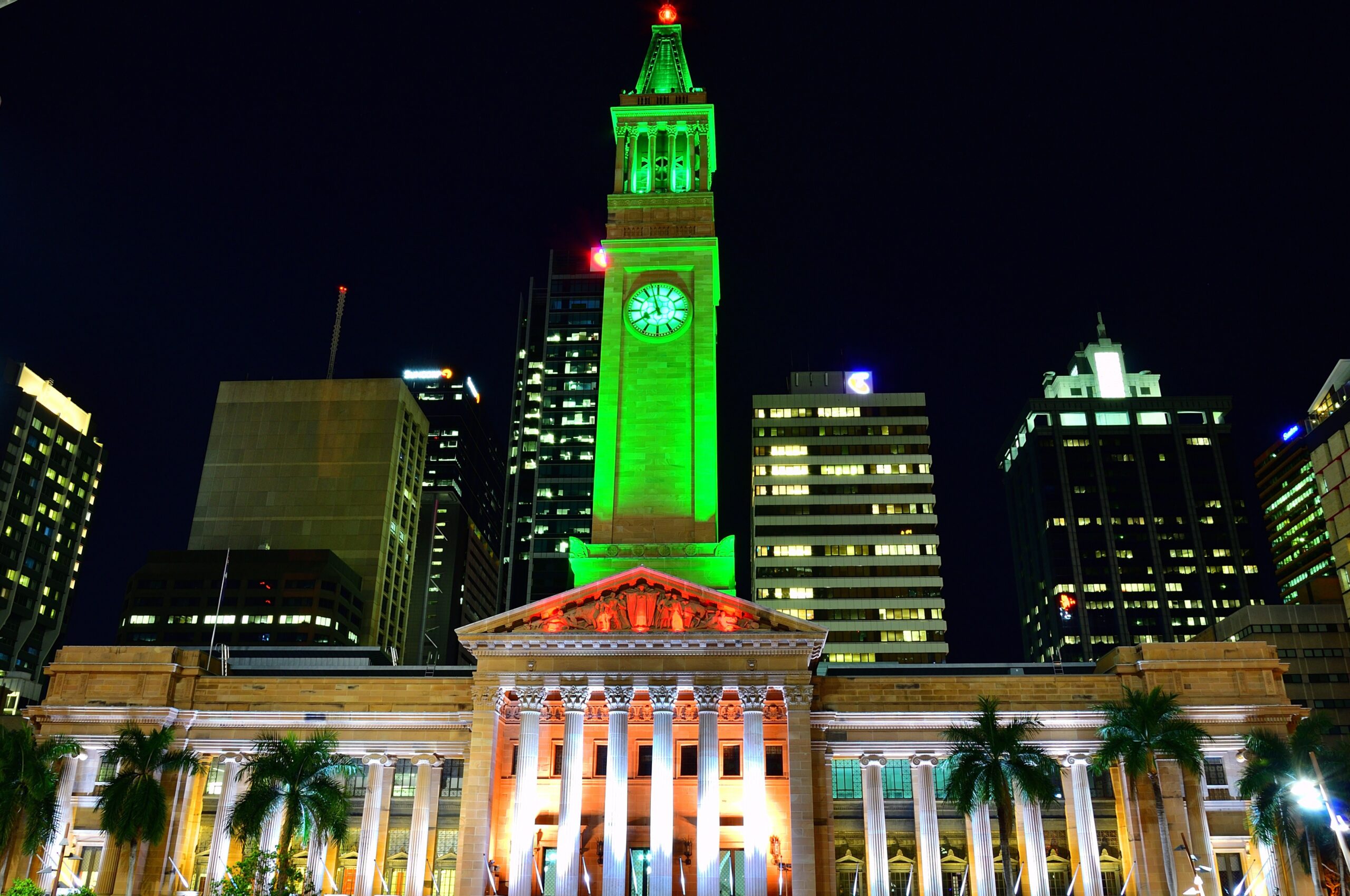
▲The CBD combines shopping, offices, nightlife, riverside spaces and high-rise living. Spring Hill is quieter and more residential, with heritage streets and easy central access. Both are extremely convenient, although they offer less neighbourhood character than surrounding areas.
2. South Bank & South Brisbane
▼3. West End & Highgate Hill
▼4. Fortitude Valley, New Farm & Teneriffe
▼5. Kelvin Grove, Herston & Red Hill
▼6. Paddington & Milton
▼7. St Lucia, Toowong & Indooroopilly
▼8. Woolloongabba, Kangaroo Point & Dutton Park
▼9. Nathan, Mount Gravatt & Sunnybank
▼Transport
Within Brisbane

Metro

Buses

Trains

CityCats & Ferries

Walking & Cycling
Domestic & International

Coaches

Flights

Regional & Interstate Trains
Culture & Lifestyle
Cost of Living: Brisbane is generally cheaper than Sydney but is no longer a low-cost city. Housing is the largest expense and varies sharply by area and property type, while groceries, eating out and summer electricity use can also make budgets feel tight.
Climate: Brisbane has hot, humid summers and mild, drier winters. Summer brings intense thunderstorms, heavy rain and occasional flash flooding, while ultraviolet exposure remains strong throughout the year. Sun protection, water, air conditioning and a waterproof layer all matter.
Culture: Turrbal and Jagera heritage, outdoor living and a growing arts scene shape Brisbane’s identity. Brisbane Festival, Riverfire, the Ekka, live music, exhibitions and passionate rugby league, Australian rules football and cricket crowds bring regular energy.
Social & Nightlife: Fortitude Valley leads the clubbing and live music scene. West End, Fish Lane, New Farm and the CBD offer breweries, pubs, cocktail bars and late-night food, while park gatherings, sport and riverside picnics provide more relaxed alternatives.
Lifestyle: Daily life is warm, active and outdoors-focused, with river paths, parks and weekend markets woven into the city. Brisbane has no central surf beach, but the Gold Coast, Sunshine Coast, Moreton Bay islands and hinterland are close enough for regular escapes.
Inclusivity & Safety
LGBTQ+ Community
Brisbane has a visible and generally welcoming LGBTQ+ community.
Brisbane Pride, community organisations and venues around Fortitude Valley and West End provide connection and support. Queensland law protects sexuality, gender identity and sex characteristics, although individual experiences can still vary.



Top Attractions & Local Experiences
Must-Sees
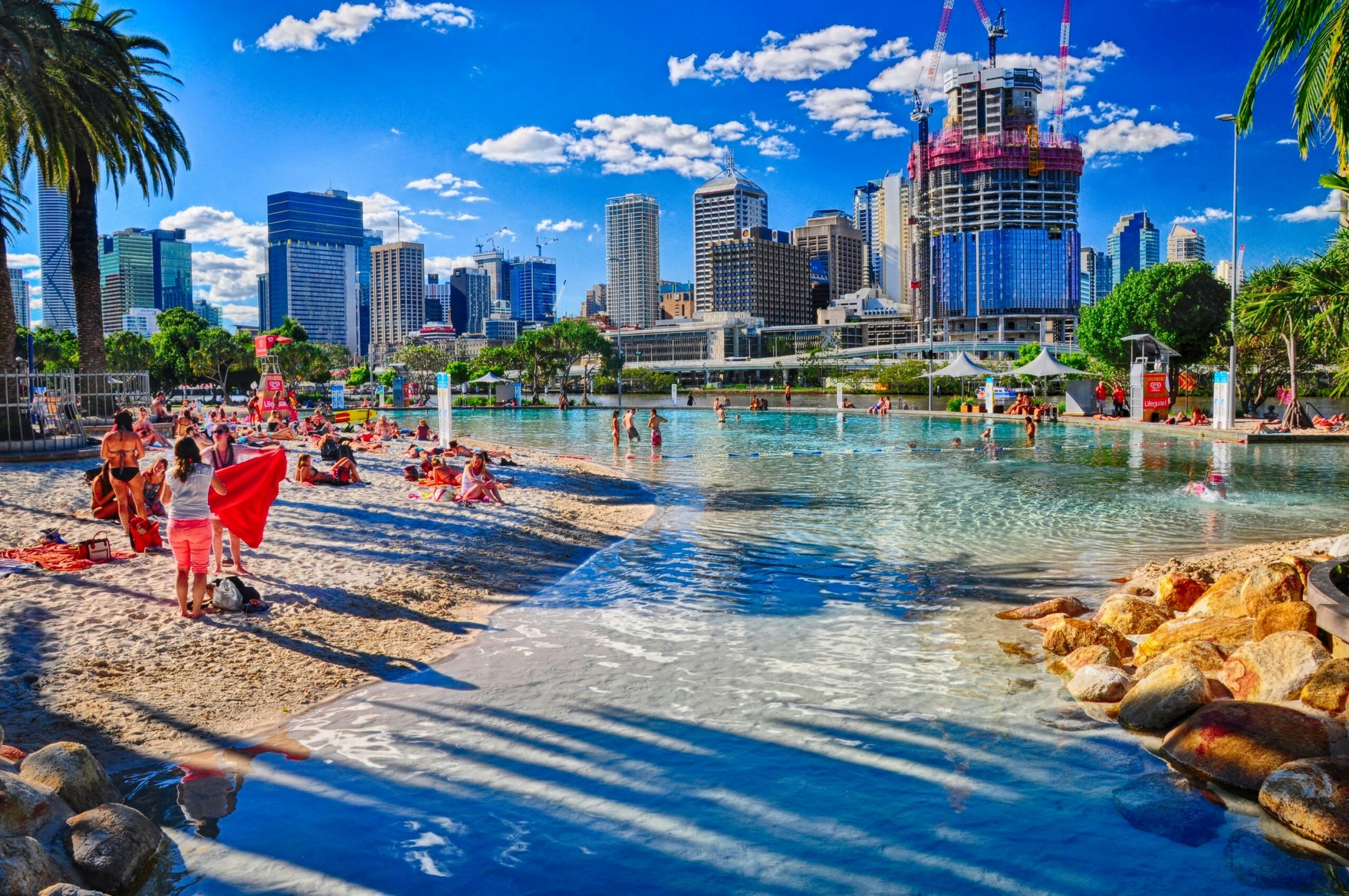
- South Bank & Streets Beach – Parklands and free city swimming.
- Queensland Cultural Centre – Galleries, museums and theatre.
- Story Bridge & Kangaroo Point – Clifftop views and sunsets.
- Mount Coot-tha – Panoramic city views and forest trails.
- City Botanic Gardens – Riverside lawns and subtropical greenery.
- Lone Pine Koala Sanctuary – Koalas and Australian wildlife.
- Mulgumpin (Moreton Island) – Dunes, beaches and snorkelling.
- Suncorp Stadium or the Gabba – Brisbane sport at full volume.
Local Gems
- Davies Park Market – Saturday food, produce and vintage stalls.
- New Farm Park & Powerhouse – Picnics and live performance.
- Eat Street Northshore – Global food stalls beside the river.
- Netherworld – Arcade games, pinball and alternative nightlife.
- Fish Lane – Street art, small bars and creative dining.
- Shorncliffe Pier – Bayside walks, sunsets and fish and chips.
- Mount Gravatt Lookout – Bush walks and quieter city views.
Pre-departure Essentials
Documents & Visas: Most international students spending a semester or longer in Australia require a Student visa, subclass 500. Secure your Confirmation of Enrolment before applying through ImmiAccount. Check current financial, English, Genuine Student and health requirements through the Department of Home Affairs, as rules depend on individual circumstances.
Health & Insurance: Student visa holders normally need approved Overseas Student Health Cover for their entire stay, including accompanying dependants. Compare waiting periods, exclusions, ambulance cover and gap fees, and consider separate travel insurance for belongings and cancellations.
Accommodation: Brisbane is spread around the river, so choose your area before searching for rooms and use Google Maps to check commute times. Book through All Abroad to help avoid scams.
Banking & Money: Set up an Australian bank account after arriving. Commonwealth Bank, ANZ, NAB and Westpac are common national options, while Bank of Queensland is another local option. Bring your passport, Australian address and tax identification details.
SIM & Connectivity: Most newcomers buy a prepaid SIM or eSIM after arriving. Confirm your phone is unlocked, bring identification and compare Telstra, Optus, Vodafone and cheaper providers using their networks.
Post-arrival Essentials
Registration: Australia has no general arrival registration for most international students. However, visa condition 8533 normally requires you to give your education provider your residential address within seven days and report later changes within seven days. Check VEVO for any additional conditions.
Healthcare & Safety: Activate your OSHC account, locate a nearby GP and pharmacy, and understand claims and gap payments. Call 000 for emergencies or 13 HEALTH on 13 43 25 84 for non-emergency health advice.
Transport Setup: No student pass is needed because ordinary Translink journeys cost a flat AUD $0.50. Use a go card or contactless bank card or device, and tap on and off with the same payment method. Airtrain charges separate fares.
Shopping: Coles, Woolworths, Aldi and IGA cover groceries, while Sunnybank and Inala are useful for Asian and international ingredients. Kmart, Big W, IKEA, op shops and resale groups offer affordable household basics.
Apps: Use Translink for journeys, Uber or DiDi for ride-hailing, BOM Weather for forecasts and Emergency Plus for emergencies. Add your banking and OSHC provider apps after setting up your accounts.