


Sydney (Australia)
Destination Overview
Sydney is Australia’s largest and most internationally recognised city, known for its beaches, harbour, outdoor lifestyle, and world-class universities. It offers students a high quality of life, strong job opportunities, and a huge international community, with neighbourhoods ranging from busy inner-city districts to relaxed beach suburbs. While Sydney is one of the most expensive cities in Australia, its mix of sunshine, social life, and career opportunities makes it one of the world’s most popular destinations for international students.
Quick Facts, Sydney

Climate
Sydney has warm summers, mild winters, and plenty of sunshine throughout the year, making outdoor living a huge part of daily life.

Cost of Living
Sydney is one of Australia’s most expensive cities, with shared student accommodation typically costing AUD $350–$500 per week.

Lifestyle
The city revolves around beaches, cafes, fitness, and outdoor social life, with a strong balance between work, study, and free time.

Vibe
Sydney combines fast-paced city living with a laid-back coastal atmosphere, creating a social and internationally minded student environment.

Safety
Sydney is generally considered very safe, with low violent crime rates and well-developed public infrastructure across most areas.

Transport
Sydney has strong train, ferry, light rail, and bus networks, although transport costs can be high compared to many student cities.
Areas & Neighbourhoods
1. CBD (Central Business District)
▲Sydney’s commercial and transport hub, packed with offices, shopping, restaurants, and nightlife. Extremely convenient for transport connections and internships, though accommodation is expensive and availability can be limited.
2. Surry Hills
▼3. Newtown
▼4. Glebe
▼5/6. Ultimo & Chippendale
▼7/8. Darlington & Redfern
▼9/10. Bondi & Coogee
▼11/12. Randwick & Kensington
▼13. Camperdown
▼14. Manly
▼Transport
Within Sydney

Trains

Buses

Light Rail

Cycling

Ferries
Domestic & International

Bus

Airport

Train
Culture & Lifestyle
Cost of Living: Sydney is one of the most expensive student cities in the world. Shared accommodation typically costs around AUD $350–$500 per week, while studio apartments often exceed AUD $600–800. Everyday expenses are also relatively high, with coffees averaging around AUD $5, meals around AUD $15–25, and weekly groceries roughly AUD $80–120.
Climate: Sydney has a warm temperate climate with hot summers, mild winters, and plenty of sunshine throughout the year. Outdoor living is a major part of daily life.
Culture: Sydney is highly multicultural and internationally minded, with large immigrant and international student populations. The city has strong food, arts, sports, and music scenes, alongside famous beach and cafe culture.
Social & Nightlife: Popular nightlife areas include Surry Hills, Newtown, Darlinghurst, and the CBD. Beach suburbs like Bondi and Manly also have lively social scenes centred around bars, cafes, and outdoor events.
Lifestyle: Sydney’s lifestyle is heavily centred around beaches, fitness, outdoor activities, brunch culture, and socialising. Many students spend weekends at the beach, exploring coastal walks, or travelling around Australia. Because of the high cost of living, it is also common for students to work part-time alongside their studies.
Inclusivity & Safety
LGBTQ+ Community
Sydney is one of the world’s most LGBTQ+ friendly cities. Areas such as Darlinghurst and Oxford Street are major centres of LGBTQ+ nightlife and culture, and the city hosts the internationally famous Sydney Mardi Gras festival.





Top Attractions & Local Experiences
Must-Sees
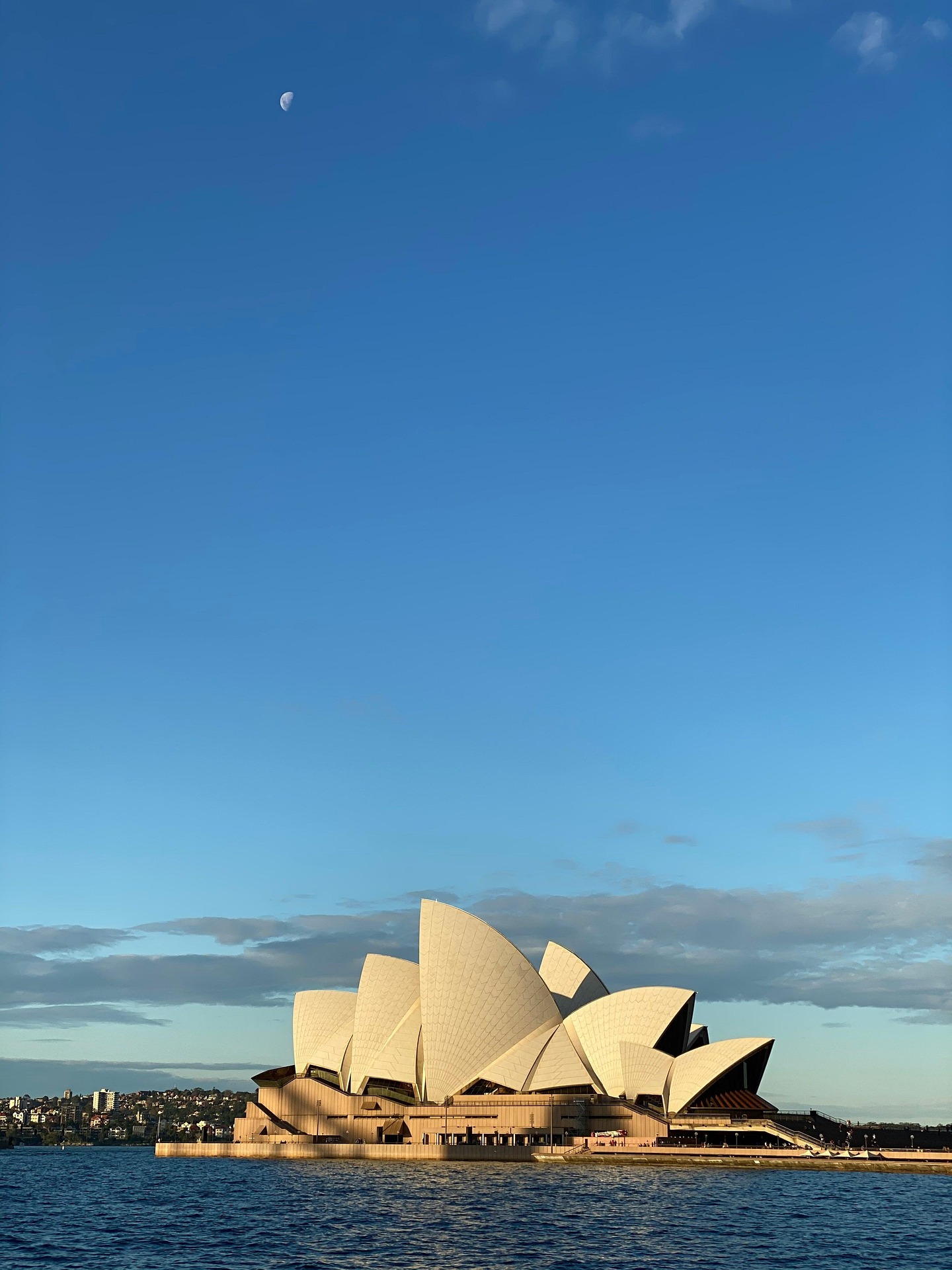
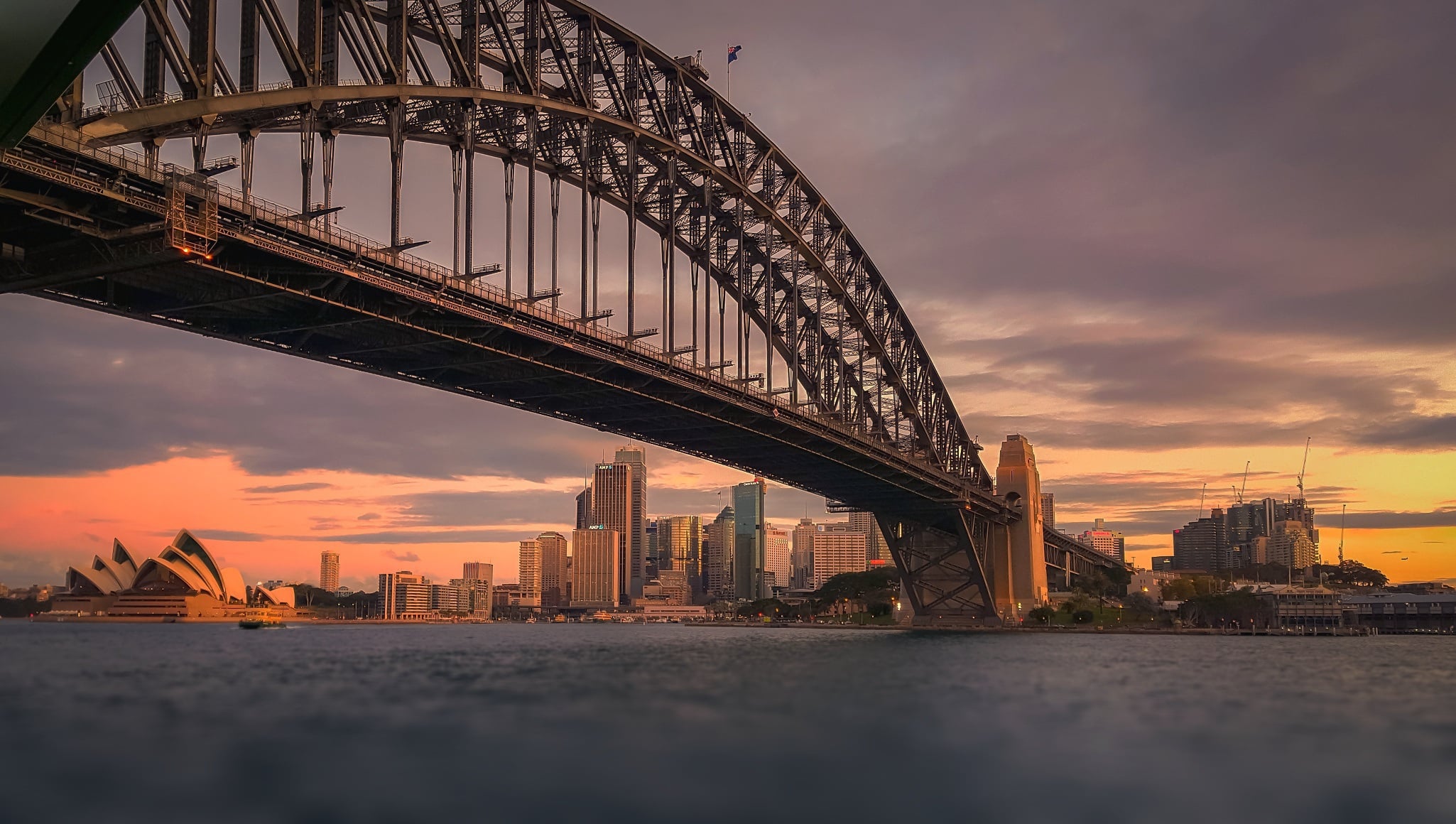
- Sydney Opera House – Australia’s most famous landmark
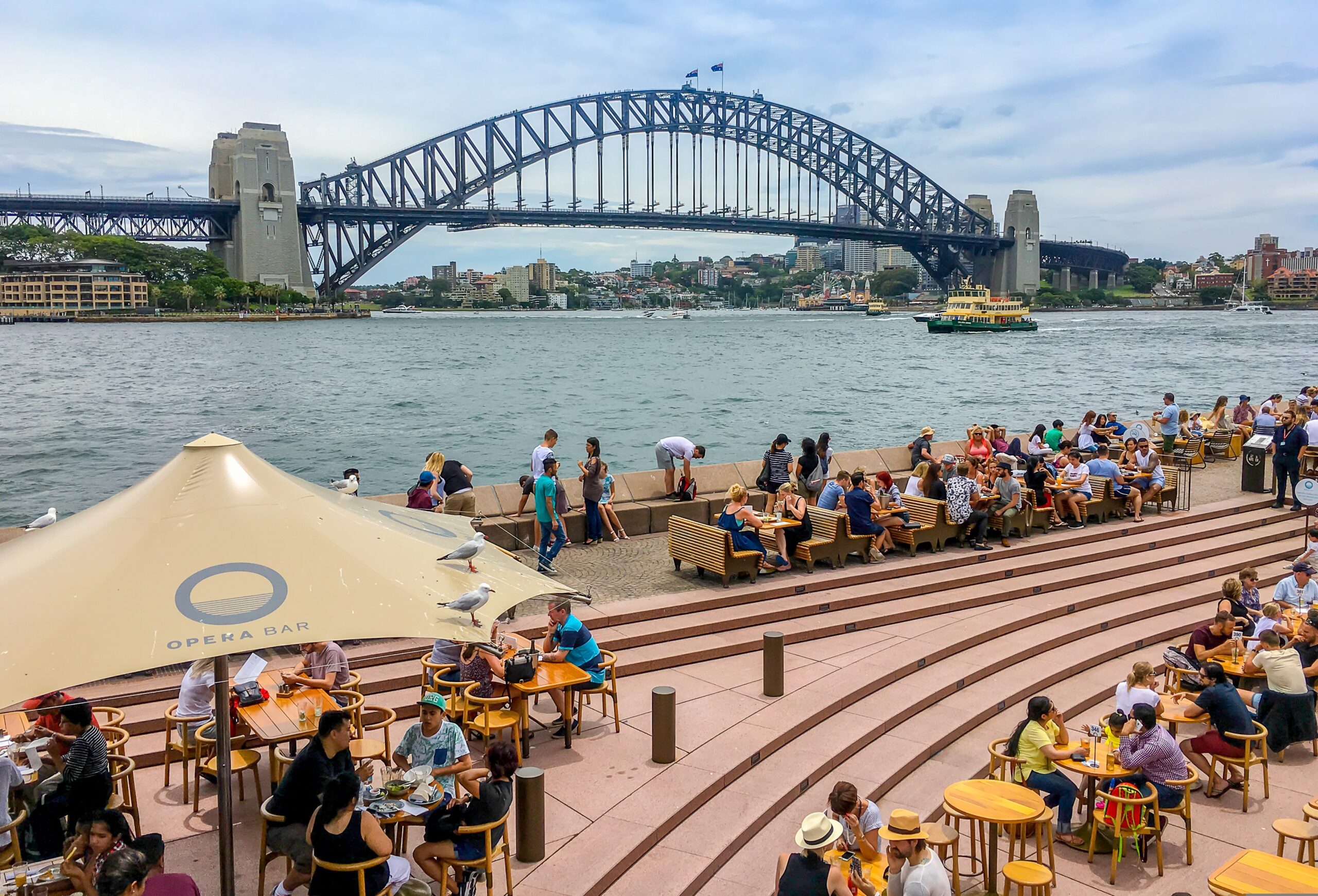
- Sydney Harbour Bridge – Harbour walks and panoramic views
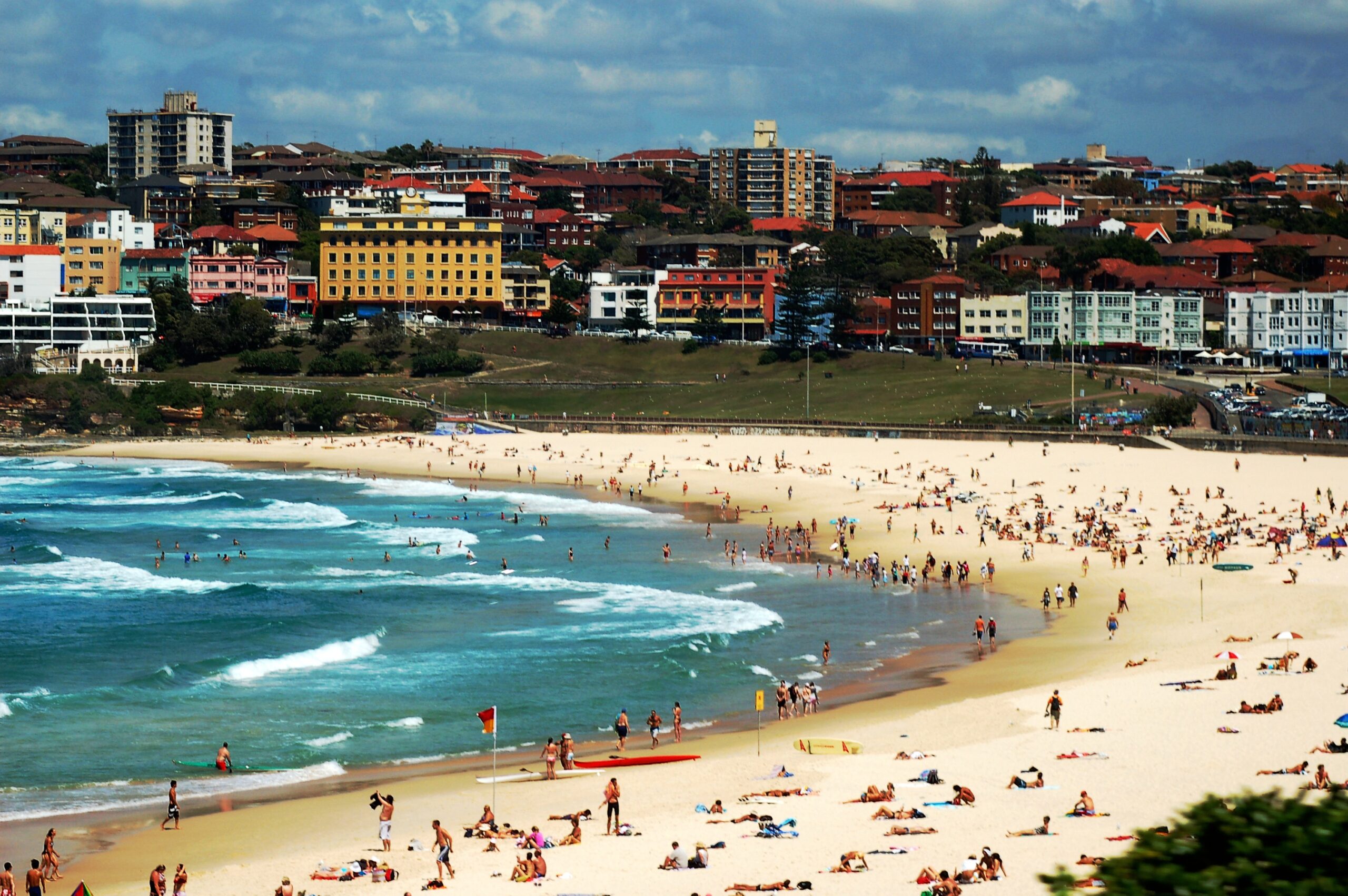
- Bondi Beach – Surfing, swimming, and coastal walks
- Royal Botanic Garden – Harbour-side green space
- The Rocks – Historic district with markets and pubs
- Darling Harbour – Restaurants, nightlife, and attractions
- Taronga Zoo – Harbour-view zoo accessible by ferry
- Blue Mountains – Popular hiking and nature day trip destination
Local Gems
- Newtown’s King Street – Vintage shops, cafes, and live music
- Glebe Markets – Student-friendly markets and food stalls
- Barangaroo Reserve – Modern waterfront park
- Centennial Parklands – Popular for cycling, picnics, and sport
- Manly to Spit Walk – Scenic coastal trail
- Marrickville – Known for food culture, breweries, and arts spaces
- Bondi to Coogee Walk – One of Sydney’s most famous coastal routes
Pre-departure Essentials
Documents & Visas: International students usually require a Subclass 500 Student Visa to study in Australia. Applications should be started early, and students may need to demonstrate financial capacity as part of the visa process.
Health Insurance: Overseas Student Health Cover (OSHC) is mandatory for most international students throughout their stay in Australia.
Banking: Major Australian banks include Commonwealth Bank, ANZ, NAB, and Westpac. Many students also use online services such as Wise or Revolut for international transfers and spending.
SIM Cards: Providers including Telstra, Optus, and Vodafone offer prepaid and monthly SIM plans, typically starting from around AUD $20–40 per month.
Post-arrival Essentials
Registration: Students should complete university registration processes shortly after arrival and ensure visa and address information is kept updated where required.
Banking & SIM: Opening an Australian bank account and arranging a local SIM card are usually among the first priorities after arriving in Sydney.
Health & Safety: Students should familiarise themselves with nearby medical centres, pharmacies, and university support services. Emergency services are reached via 000.
Shopping: Major supermarkets include Coles, Woolworths, and Aldi. Paddy’s Market and local weekend markets are also popular for cheaper food and household items.
Apps: Useful apps in Sydney include Opal Travel for public transport, Uber and DiDi for taxis, Menulog for food delivery, Gumtree and Flatmates.com.au for housing and second-hand items, and Wise for international banking and transfers.